
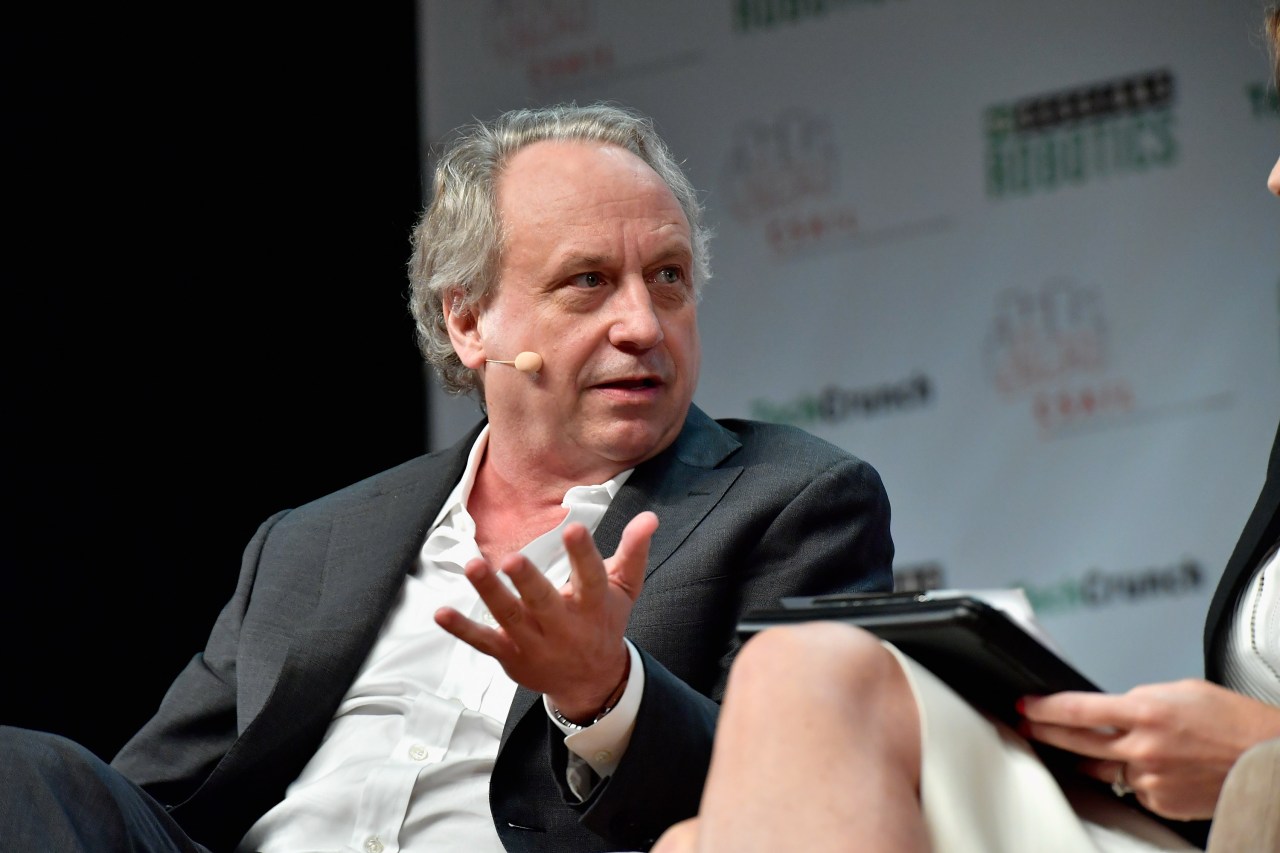
In a thought-provoking conversation held at MIT, the spotlight was on Rodney Brooks, the legendary roboticist and co-founder of pioneering companies like iRobot and Rethink Robotics. With the tech landscape rapidly evolving and everything from venture capital to AI regulations heating up, Brooks shared his candid insights about the current state of AI, robotics, and the misconceptions that surround them. In this blog, we’ll dive into his perspectives and what they imply for entrepreneurs, investors, and the public.
The Robotics Landscape and VC Expectations
With the revival of interest in robotics and the influx of venture capital, many might assume that starting a robotics company today is easier than ever. Brooks acknowledges the growing enthusiasm among investors but raises an important cautionary note. “A lot of VCs may underestimate how long it takes to truly refine robotics systems to a stage of viable product readiness,” he explains. This delayed timeline can lead to friction between startup founders seeking immediate returns and investors expecting rapid progress.
For aspiring entrepreneurs, Brooks suggests preparing for a potential acquisition by larger companies armed with deeper pockets. As robotics is a complex field with significant technological barriers, founders should anticipate that complete independence in the marketplace may be challenging. Ultimately, startup survival might depend on collaborations and strategic partnerships to thrive.
The Misunderstood Complexity of AI
Brooks challenges the alarmist perspective on AI, famously voiced by people like Elon Musk, emphasizing that many misconceptions stem from misunderstanding the actual workings of AI technologies. “AI is not as simple as it seems,” Douglas notes. Brooks refers to cases like DeepMind’s AlphaGo, where impressive achievements in AI often lead to inflated expectations about its general capabilities.
Moreover, he poses an essential question regarding regulation. If there are intentions to introduce policies around AI today, “What behavior do you want to change?” he asks. Without clarity on this matter, regulations could potentially hinder advancements rather than facilitate constructive oversight.
Ethical Dilemmas in Autonomous Technologies
Brooks underscores the ethical complexities that autonomous systems, such as self-driving cars, will face as they become integrated into everyday life. From decisions about navigating one-way streets to how they interact with humans, the potential consequences of AI decision-making warrant diligent attention.
- Will autonomous vehicles be equipped to handle unpredictable human behavior?
- What safety protocols need to be in place to ensure user confidence?
As these considerations come to the forefront, it is evident that regulations must evolve in tandem with technology, encompassing all aspects of user experience and safety.
Job Displacement: A Double-Edged Sword
With the march of automation, job displacement remains a contentious issue. Brooks believes in the complementarity of robotics and humans. Instead of complete displacement, roles will shift, requiring workers to become more supervisory and less manual. However, he cautions that failure to address these shifts adequately could lead to societal repercussions.
Brooks’s experiences in starting Heartland Robotics reflect the challenges of addressing the needs of communities affected by automation. His desire to improve opportunities in the heartland speaks volumes about the importance of understanding and engaging communities left behind in the technological revolution.
Innovations Beyond Tech Companies
Brooks’s keen insight extends to the global challenges that robotics can alleviate but remain underfunded due to their complex nature. Issues like plastic pollution in oceans present a considerable challenge, yet the financial returns on solving these problems are often too vague for traditional investment models. This presents an opportunity for innovative thinking beyond current paradigms in AI and robotics.
Conclusion: Shaping the Future through Understanding
Rodney Brooks’s reflections serve as a powerful reminder of the nuanced and intricate realities surrounding AI and robotics. As technology continues to evolve, the need for balanced perspectives, thoughtful regulations, and informed public discourse has never been more critical. By navigating through the misconceptions and focusing on genuine use cases, we can harness the potential of these technologies for the greater good.
At fxis.ai, we believe that such advancements are crucial for the future of AI, as they enable more comprehensive and effective solutions. Our team is continually exploring new methodologies to push the envelope in artificial intelligence, ensuring that our clients benefit from the latest technological innovations.
For more insights, updates, or to collaborate on AI development projects, stay connected with fxis.ai.