
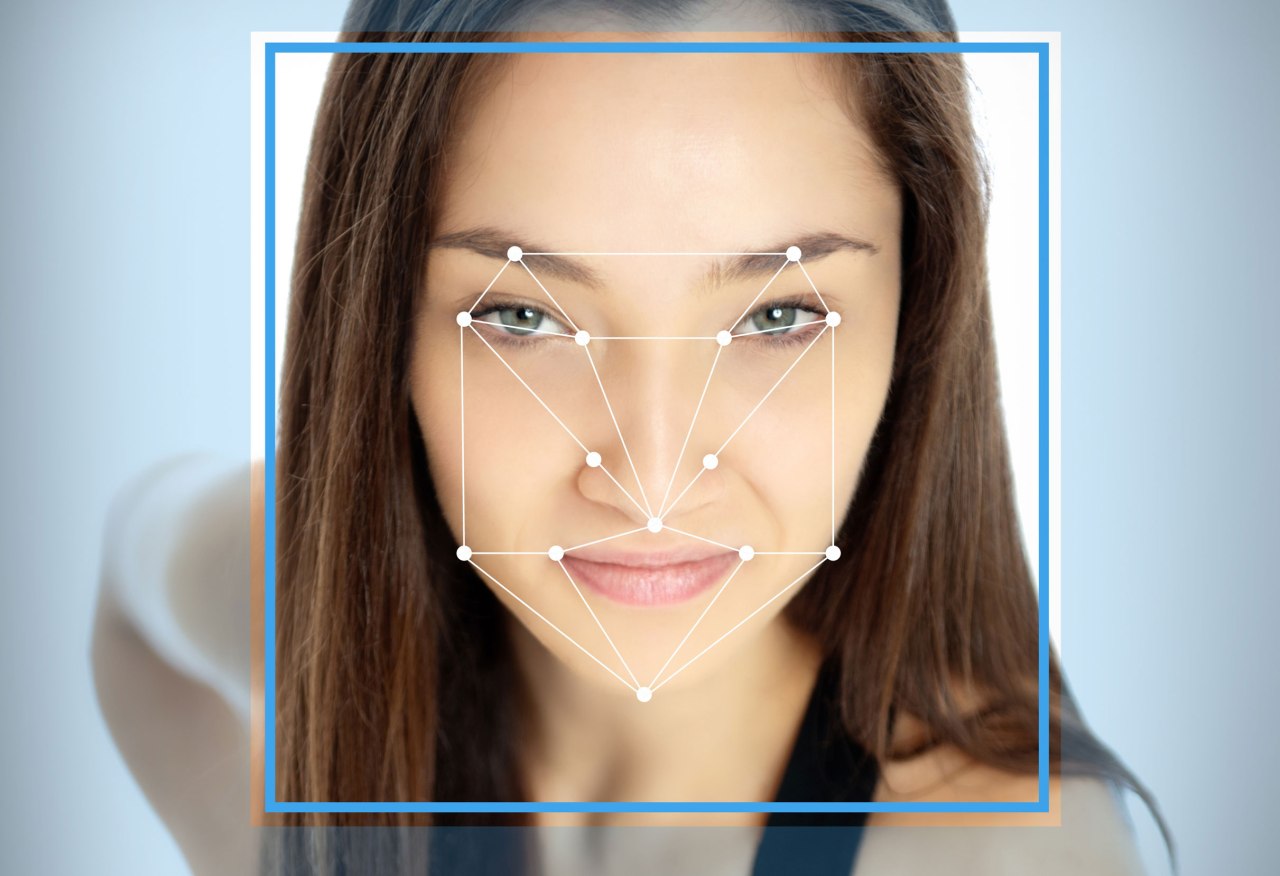
In an era where artificial intelligence (AI) has permeated various sectors, tech giants are continually reshaping their strategies to harness data in more profound ways. One such move that sent ripples through the tech community was Apple’s acquisition of Emotient, a company focused on emotion detection and sentiment analysis. This strategic acquisition occurs within a broader context of companies striving to leverage AI for enhanced customer engagement and insight. Let’s explore the implications of this acquisition and its significance in Apple’s technological landscape.
Emotient: A Pioneer in Emotion Detection
Founded in 2012, Emotient quickly established itself as a leader in the domain of emotion detection through facial expressions. With a solid backing of $8 million from prominent investors such as Intel Capital, the company carved a niche in applying AI to understand human emotions. Their cloud-based services provided businesses with the capability to gauge customers’ emotional responses in real-time—whether it be towards advertisements, content, or customer interactions.
- Emotion-Aware Computing: Emotient was at the forefront of a transformative approach to emotion analysis which promises to significantly enhance customer understanding.
- Marketing Insights: By helping advertisers bake emotion analysis directly into their campaigns, Emotient provided invaluable insights that could drive sales and customer loyalty.
Why Did Apple Acquire Emotient?
Apple’s acquisition of Emotient reflects a deeper commitment to advancing AI technologies that further enhance the user experience across its products. By embedding emotion detection capabilities, Apple aims to allow developers and businesses to create more personalized and emotionally resonant applications. Imagine applications that can tailor content according to the user’s emotional states or devices that can enhance user experience by responding to facial cues. This acquisition isn’t just a tactical move; it’s part of a larger strategy to humanize technology, making interactions more intuitive and meaningful.
The Competitive Landscape
The tech landscape is rife with competition among industry titans who are all vying to create the most engaging and personalized user experience. With Google and Facebook already making significant strides in the realm of AI, Apple’s move can be seen as a necessary step to maintain its competitive edge. By integrating emotion detection, Apple could potentially unlock new revenue streams while also providing marketers with tools that drive consumer engagement significantly.
Future Implications
The integration of Emotient’s emotion-detection technology into Apple’s ecosystem could lead to a paradigm shift in the way businesses understand their customers. Here are a few potential implications:
- Enhanced User Engagement: Developers can craft applications that adjust responses based on users’ emotional states, leading to richer experiences.
- Advanced Marketing Strategies: Brands can leverage emotional insights for targeted marketing, resulting in more effective campaigns.
- Your Data, Your Decision: As privacy concerns grow, companies must ensure that emotional data is handled ethically, paving the way for more transparent AI practices.
Conclusion
Apple’s acquisition of Emotient isn’t merely about reinforcing its AI capabilities; it is a reflection of a future where emotion-aware technology becomes an integral part of how we interact with devices and brands. By emphasizing emotional intelligence in technology, Apple is setting a precedent that may encourage others to explore similar pathways, leading to innovations that blend empathy with technology.
At fxis.ai, we believe that such advancements are crucial for the future of AI, as they enable more comprehensive and effective solutions. Our team is continually exploring new methodologies to push the envelope in artificial intelligence, ensuring that our clients benefit from the latest technological innovations.
For more insights, updates, or to collaborate on AI development projects, stay connected with fxis.ai.