
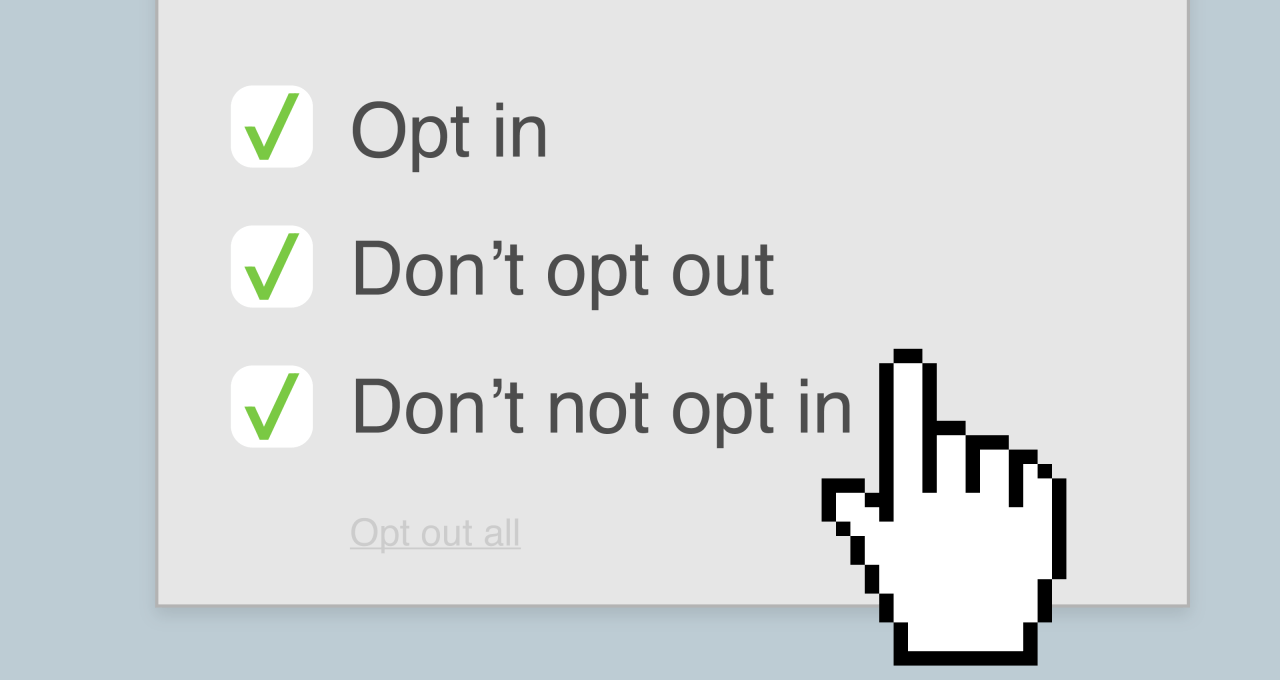
In the vast digital landscape of the internet, where every click leads to either opportunity or deception, one term has surfaced to capture the insidious tactics employed by certain designers: dark pattern design. Characterized by misleading user interface choices crafted to manipulate us into accidental choices, this phenomenon intertwines ethics with usability. As consumers, we are often unaware of how their actions are engineered by design, leading to consequences that can jeopardize our privacy and autonomy. Let’s dive deeper into the realm of dark patterns and explore their effects on user behavior.
What are Dark Patterns?
At its core, dark pattern design refers to the deliberate structuring of online experiences to mislead users into decisions they might not have made if they had full clarity. This includes being nudged to accept terms and conditions without proper comprehension or revoking access to our personal data. It’s a tactic that preys on our cognitive biases, distracting us or creating a false sense of urgency in critical moments.
The Mechanisms of Manipulation
Understanding dark patterns requires dissecting the strategies employed. Here are some prevalent tactics:
- Deceptive Escapes: Users often find themselves in situations where opting out of consent or data sharing is more cumbersome than opting in. For instance, an ‘agree and continue’ button might be brightly colored while the less desirable option is hidden in faint text.
- Emotional Manipulation: Marketers incorporating emotional levers, such as fear of missing out (FOMO) or guilt, can successfully sway users into compliance. Notifications flashing during vital decision points can lead a user to click hastily, leading to regrettable choices.
- Frictionless Entry: Designers may simplify the path to subscribing to services but create hurdles for unsubscribing. This approach fosters user fatigue, leading individuals to accept unwanted terms simply for ease.
Real-World Examples of Dark Patterns
The prevalence of dark patterns can be illustrated through various case studies:
- Subtle Add-Ons: E-commerce platforms may hide optional items like insurance during a checkout process, presenting them as essential. Users often realize after the fact that they were misled into unnecessary purchases.
- Social Pressure: Social networks, like Facebook, exploit user relationships, suggesting that friends will miss them if they leave the service—manipulating emotional connections for user retention.
- Complex Opt-Out Processes: Newsletters may employ a complicated unsubscribe process that discourages users from opting out, making it easier to remain subscribed than to leave.
The Ethical Implications
Dark pattern design raises significant ethical concerns. As technology continues to evolve, the line demarcating ethical design from manipulative tactics blurs. Organizations often focus on immediate business benefits, neglecting long-term consumer trust and satisfaction. Manipulating users could lead to negative brand perceptions, ultimately costing businesses in lost loyalty.
However, there is light at the end of the tunnel. As consumers become more aware of these deceptive practices, there is growing demand for transparency and ethical design. Regulation, such as the General Data Protection Regulation (GDPR), is beginning to hold companies accountable.
Towards a Transparent Digital Future
To create a more ethical digital landscape, we need a shift towards “light pattern design.” This entails:
- Clarity and Honesty: Platforms must present honest and clear choices, focusing on user empowerment rather than manipulation.
- User-Centered Designs: Engaging users in the design process and embracing their feedback fosters an environment where user preferences guide functionalities.
- Rethinking Monetization: Exploring new business models, such as using blockchain technology for revenue generation based on user consent, can substantially change how services operate.
Conclusion
In the age of information, understanding the nuance of user experience design is crucial. Dark pattern design represents a shadowy corner of UX that exploits user behavior for profit. However, the tides are shifting towards ethical practices that prioritize user autonomy and transparency. As we move forward, embracing light pattern design will benefit consumers and businesses alike, fostering trust and sustained growth.
At fxis.ai, we believe that such advancements are crucial for the future of AI, as they enable more comprehensive and effective solutions. Our team is continually exploring new methodologies to push the envelope in artificial intelligence, ensuring that our clients benefit from the latest technological innovations. For more insights, updates, or to collaborate on AI development projects, stay connected with fxis.ai.