
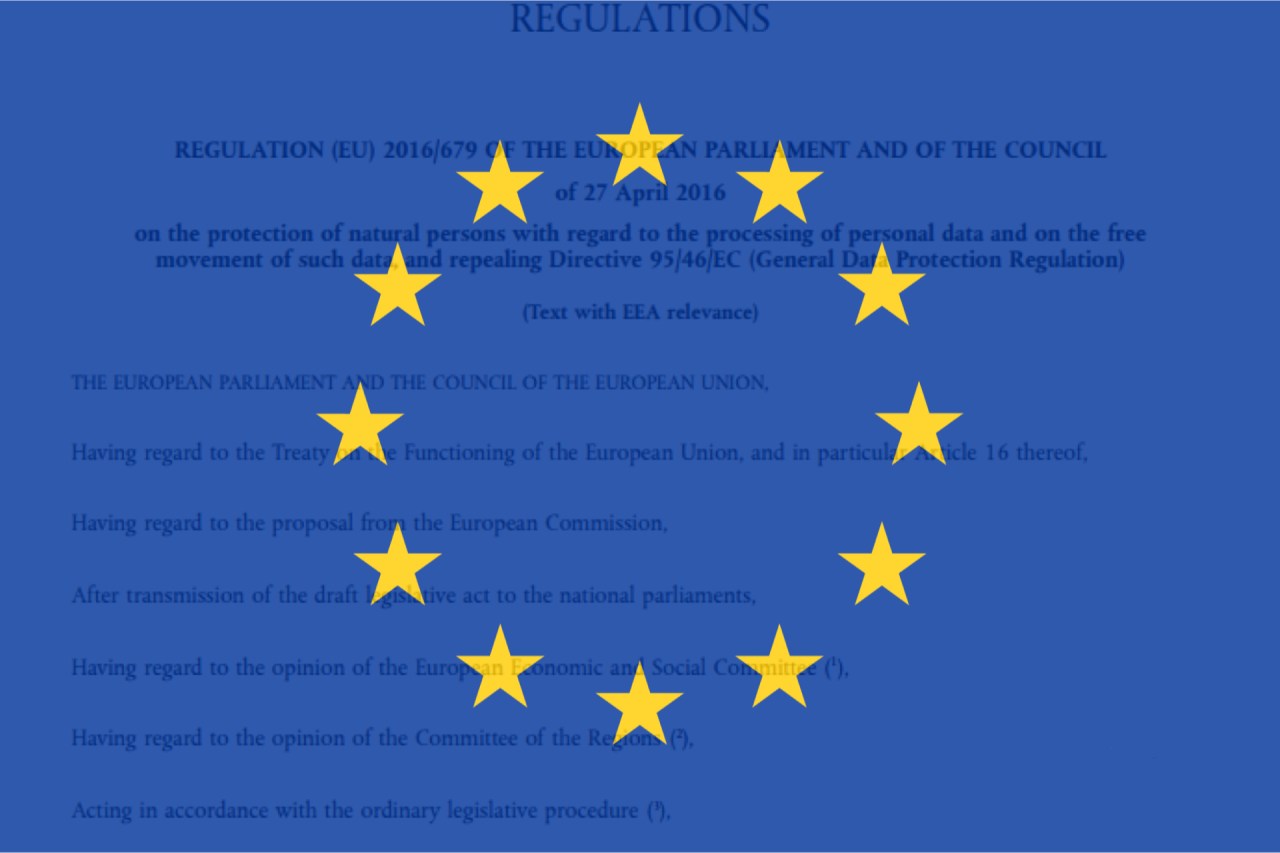
The General Data Protection Regulation (GDPR) marks a pivotal shift in how personal data is handled across the European Union (EU), propelling privacy and data protection standards into the modern age. As we navigate through a realm where data has become an invaluable commodity, understanding GDPR becomes essential not only for businesses within the EU but also for any international entities interacting with European citizens. This blog post will dive into the key aspects of GDPR, what it means for consumers and companies alike, and the broader implications for global privacy standards.
The Core Principles of GDPR
At its core, GDPR is about granting individuals control over their personal data while simplifying the regulatory landscape for businesses. It introduces several significant changes which companies must embrace to foster trust and confidence among their customers, including:
- Expanded Definition of Personal Data: GDPR expands the definition of personal data to include online identifiers like IP addresses and location data, making it crucial for organizations to identify all types of information they possess.
- Data Subject Rights: Individuals are endowed with various rights, such as the right to access their data, the right to deletion, and the right to withdraw consent at any time, encouraging organizations to adopt respectful data management practices.
- Accountability and Transparency: Companies are required to maintain clear records of data processing activities and communicate transparently with individuals about how their data is managed.
The Enforcement Ripple Effect
One of the more powerful aspects of GDPR is its enforcement mechanism. According to the regulation, penalties for violations can reach up to 4% of global annual turnover or €20 million, whichever is higher. This increase in potential fines serves to elevate compliance as a priority for organizations that might otherwise overlook data protection.
This heightened level of scrutiny is expected to set a precedent, as businesses outside the EU may also adopt GDPR principles to avoid the complications of having different data handling practices in place. The potential fallout of non-compliance and the rising consciousness of consumer privacy rights in the digital realm could encourage companies worldwide to rethink their data handling approaches.
Beyond Borders: GDPR’s Global Influence
What makes GDPR particularly notable is its extraterritorial nature; it applies not only to companies within the EU but also to any organization that processes the personal data of EU residents. This means companies like Facebook, even as a U.S. entity, must comply with the stringent GDPR regulations, reshaping their operational strategies significantly.
In a world where data breaches are common and consumer trust is fragile, the emphasis on robust data handling practices under GDPR might inspire similar legislative movements in other jurisdictions. For industries heavily reliant on data—such as technology, finance, and healthcare—the movement towards compliance is not merely a regulatory exercise, but a necessary step for sustainable business practices moving forward.
Privacy by Design: Shifting Business Mindsets
Another critical development introduced by GDPR is the principle of “privacy by design.” This requires companies to integrate data protection into their systems and operations from the outset, rather than treating it as an afterthought. Businesses are now challenged to minimize data processing to only what is directly necessary and to implement sound security measures.
Additionally, the requirement for organizations to appoint a Data Protection Officer (DPO) underlines a growing necessity for accountability and expertise in handling personal data—a step meant to ensure ongoing compliance and protect individuals’ rights effectively.
GDPR and Emerging Technologies
As we continue to innovate, the implications of GDPR extend into the realm of artificial intelligence (AI) and machine learning (ML). The regulation underscores the importance of transparency about how automated decisions are made, especially when those decisions have significant effects on individuals. Businesses employing AI must now take into account these regulatory measures, potentially redefining how algorithms are developed and deployed.
Despite scalability challenges, businesses have a unique opportunity to leverage their data ethically, thereby envisioning growth while upholding customer trust. Innovations in data processing must align with ethical practices to create long-lasting relationships with consumers.
Conclusion: A Win-Win Environment
The introduction of GDPR signifies a monumental shift in the relationship between consumers and businesses regarding personal data. By providing individuals with greater control over their data and empowering organizations to prioritize transparency and accountability, the regulation aims to foster a more trustworthy digital environment.
As companies adapt to these stringent practices, they not only fulfill their legal obligations but also position themselves favorably in a market that increasingly prioritizes privacy and security. Ultimately, this evolution encourages a healthier relationship between businesses and consumers, where trust and accountability reign supreme.
At fxis.ai, we believe that such advancements are crucial for the future of AI, as they enable more comprehensive and effective solutions. Our team is continually exploring new methodologies to push the envelope in artificial intelligence, ensuring that our clients benefit from the latest technological innovations. For more insights, updates, or to collaborate on AI development projects, stay connected with fxis.ai.