
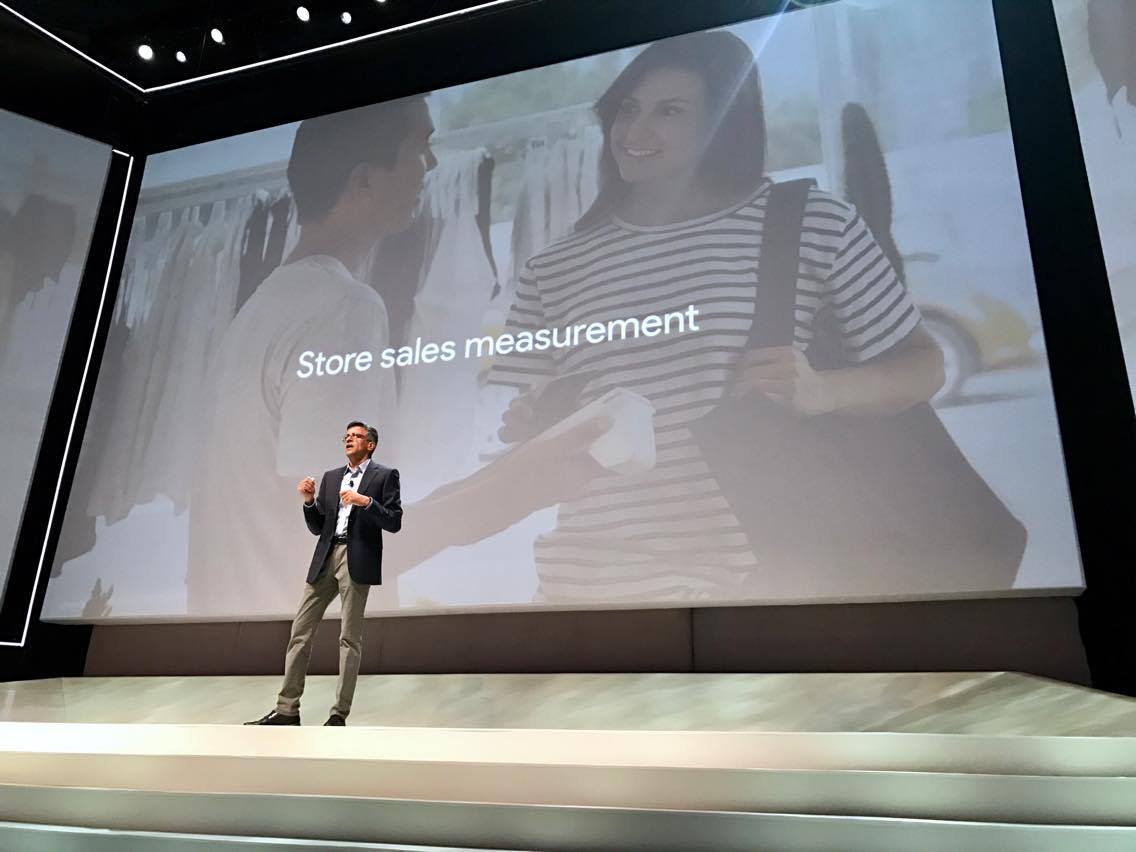
In the evolving discourse surrounding marketing analytics, the convergence of online and offline data looms large. Adopting a new approach to this complex issue, Google has made waves by integrating deep learning into its store visit measurement tools. As digital marketing becomes increasingly omnichannel, this move represents a strategic step towards offering businesses actionable insights driven by big data. Let’s dive into what this entails and why it matters.
The Omnichannel Marketing Challenge
Marketers today face the daunting task of piecing together data from a variety of sources to understand customer behavior comprehensively. The challenge is particularly pronounced when it comes to measuring the effectiveness of online advertising on physical store traffic. Traditional methods often rely on linear statistical models, which can fall short in dynamic and saturated urban settings. This is where the magic of deep learning comes into play.
How Google is Transforming Measurement with Deep Learning
Back in 2014, Google started employing anonymized location data, wifi signals, and contextual information to trace store visits driven by digital ads. Over the years, they’ve made considerable progress, but limitations remained—especially in densely packed urban environments like New York City, where brick-and-mortar shops are often cloistered within larger malls. To bridge this gap, Google has unveiled a deep learning approach that is fundamentally reshaping the accuracy and reliability of store visit estimates.
- Diverse Data Utilization: By leveraging a broader spectrum of training data, Google aims to teach its models how to account for unusual scenarios that classical estimations struggle with, resulting in richer customer insights.
- Machine Learning Integration: As Jerry Dischler, VP of product management for AdWords, emphasized, “We couldn’t measure store visits without ML.” This reliance on machine learning indicates a systemic shift in how data interpretation is approached in the retail space.
- Expansion to YouTube TrueView: Google’s introduction of YouTube campaigns into the measurement mix aligns perfectly with the evolving media landscape where video is king, opening doors to additional avenues for tracking engagement and conversions.
Enhancing Accuracy in Store Visits
As Google endeavors to refine its measurement techniques, integrating point-of-sale data into its AdWords platform will be a game changer. This methodology furnishes marketers with the ability to distinguish between store visits and actual sales conversions more effectively. Instead of speculative analytics, businesses will gain access to segmented insights that can directly inform marketing strategies, ensuring efforts are optimized for maximum impact.
Conclusion: The Future of Measurement in an Omnichannel World
Overall, Google’s foray into deep learning signifies a paradigm shift in how we understand customer interactions across channels. By fortifying its store visit measurement with robust machine learning algorithms, the tech giant is ultimately enhancing the marketing landscape—one where brick-and-mortar establishments are no longer seen as incommensurable with their digital counterparts.
As businesses navigate this new terrain, they must harness the power of advanced analytics to stay ahead of the curve. For more insights, updates, or to collaborate on AI development projects, stay connected with fxis.ai.
At fxis.ai, we believe that such advancements are crucial for the future of AI, as they enable more comprehensive and effective solutions. Our team is continually exploring new methodologies to push the envelope in artificial intelligence, ensuring that our clients benefit from the latest technological innovations.