
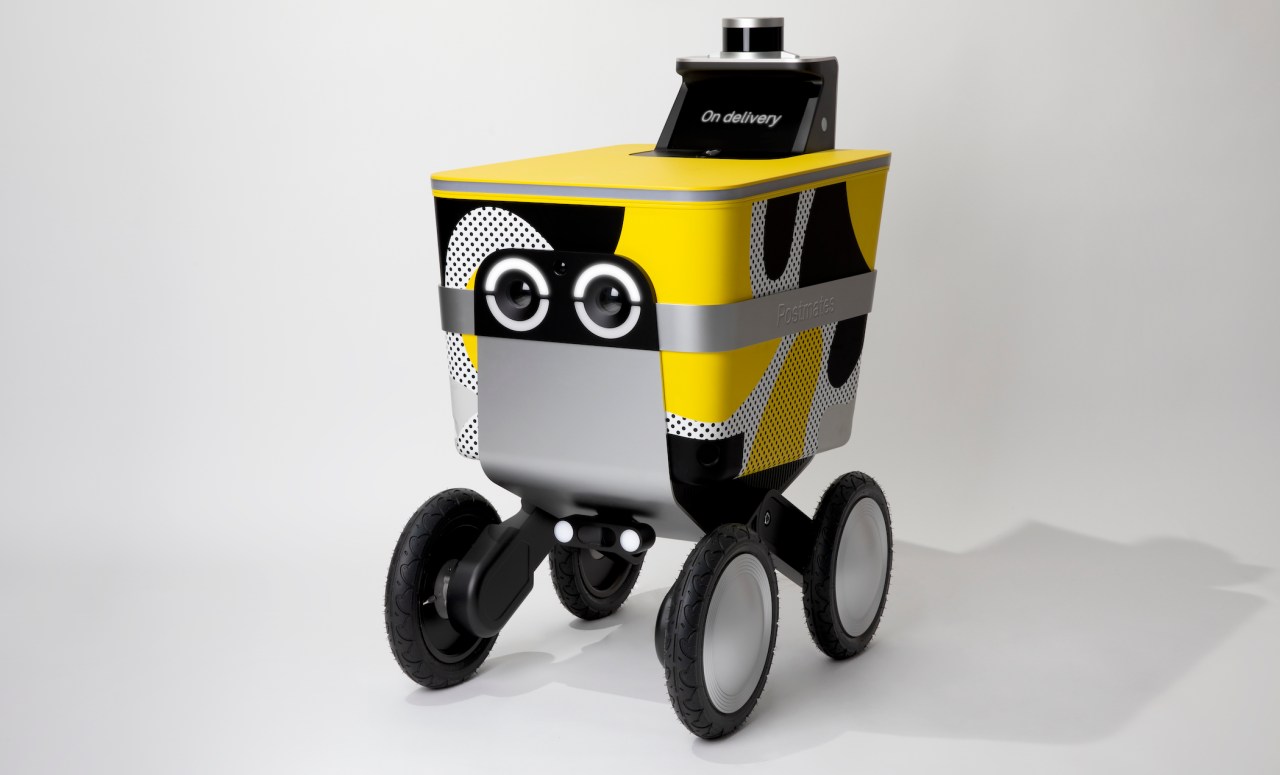
In the bustling city of San Francisco, where traffic congestion is a common tale, Postmates is redefining the delivery landscape with its innovative creation, Serve. Unlike traditional delivery methods that often involve cumbersome vehicles, Serve, an autonomous delivery robot, promises to revolutionize the last-mile delivery process. With its human-friendly features and advanced technology, Serve embodies a new adventure in urban logistics, striving to navigate through our busy streets while maintaining respect for pedestrians.
Designing for Humanity: More than Just a Robot
At first glance, Serve may look like your average delivery robot, but this is far from the truth. Postmates has meticulously designed Serve to be an approachable and safe presence on sidewalks. Featuring elements like eyes and turn signals, it actively communicates its intentions to pedestrians, making interactions feel more natural and less mechanical. As Ali Kashani, VP of Postmates X special projects, mentions, “If a robot is at a sidewalk and wants to be able to cross the street, it needs to show its intent to cross.” This subtle yet crucial design detail allows Serve to blend seamlessly into its environment.
Striking the Balance: Technology Meets Urban Navigation
-
Smart Sensor Integration
Powered by cutting-edge technology including Velodyne Lidar and an NVIDIA XAVIER processor, Serve is capable of sophisticated navigation. It can cover up to 25 miles on a single charge while carrying goods weighing up to 50 pounds. This ensures deliveries are efficient, operating reliably to bring food and goods directly to the local community.
-
Assistance at Your Fingertips
The robot comes equipped with a touchscreen and a “Help” button that allows customers or passers-by to interact with it via a video chat. This not only enhances customer experience but also assures people that help is just a touch away should any issues arise during a delivery.
Addressing Urban Challenges: The Regulatory Landscape
However, the introduction of Serve does not come without its challenges. San Francisco, in its attempt to create a pedestrian-friendly environment, has imposed restrictions on delivery robots, including limiting their numbers and regulating speeds. Postmates is proactively addressing these concerns by working with city authorities to establish a regulatory framework that allows for the effective use of autonomous delivery systems while prioritizing public space.
The ongoing negotiation reflects a broader understanding that for robots to gain acceptance in urban areas, they must coexist harmoniously with pedestrians, seniors, and people with disabilities, ensuring that they don’t pose obstacles but rather serve as efficient tools for improved urban mobility.
Transforming the Workforce: A Shift in Dynamics
One of the pressing questions around Serve’s introduction is the potential impact on the workforce. While Postmates claims that Serve is here to augment rather than replace human couriers, there remains a concern about job displacement in a rapidly automating industry. A prospective solution could involve Postmates investing in training initiatives that transition workers into new roles or operations behind the scenes, thereby alleviating some anxieties about the implications of autonomous technology.
Future Directions: The Economic Model of Delivery
A tantalizing aspect of Serve’s rollout is the potential shift toward an economic model reminiscent of the ride-sharing industry, where customers could choose between human delivery for an extra fee or utilizing the robot at a lower cost. This flexibility aligns with a growing trend of consumers prioritizing convenience while exploring personalized options for delivery through technological advancements.
Conclusion: Embracing Change in Deliveries
As Postmates prepares to unleash Serve into various cities, it is essential to recognize that this innovation marks an evolution in urban delivery systems. The thoughtful design, technology integration, and attention to pedestrian safety will play crucial roles in determining its success. The journey of Serve raises important discussions about balancing innovation with community needs, transitioning the workforce, and the future of urban logistics.
At fxis.ai, we believe that such advancements are crucial for the future of AI, as they enable more comprehensive and effective solutions. Our team is continually exploring new methodologies to push the envelope in artificial intelligence, ensuring that our clients benefit from the latest technological innovations. For more insights, updates, or to collaborate on AI development projects, stay connected with fxis.ai.