
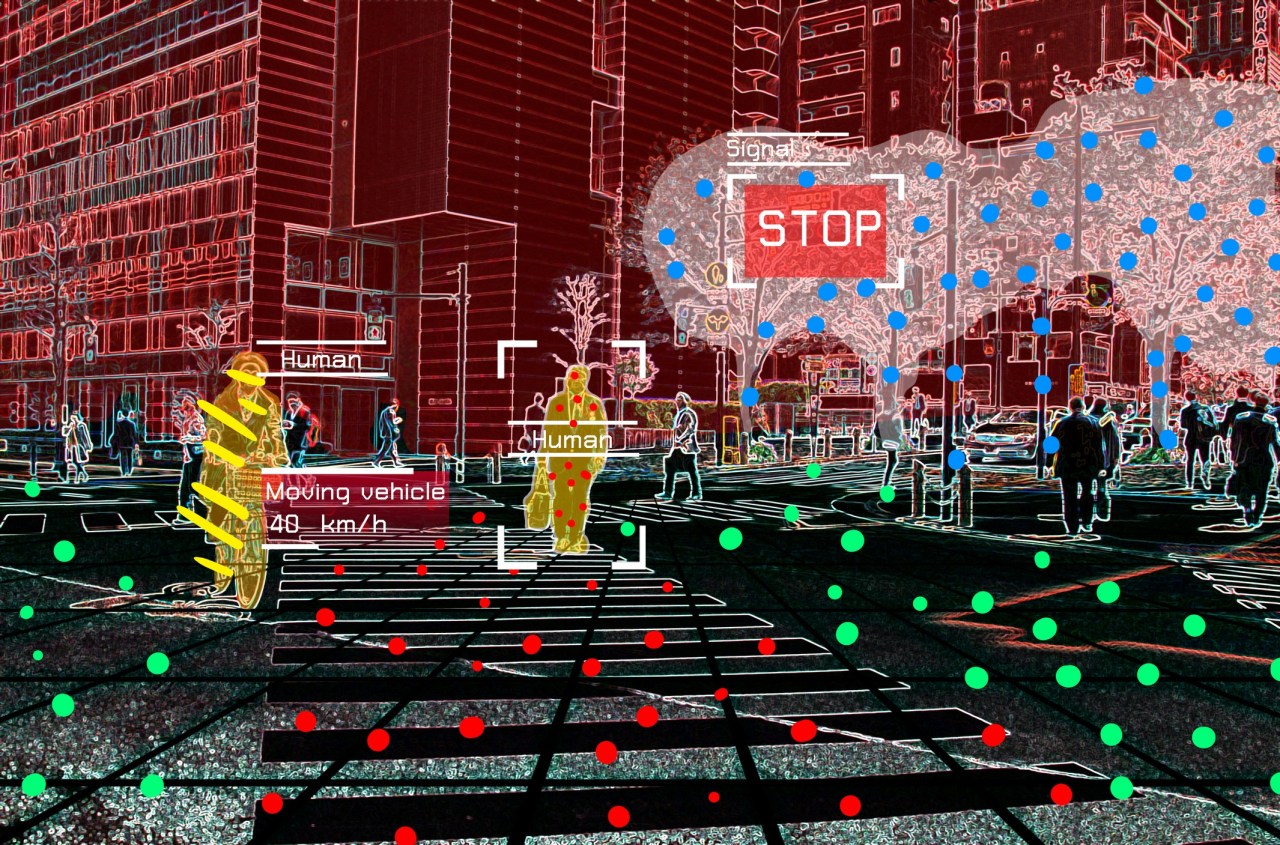
The race towards autonomous vehicles is not just a competition of car manufacturers; it also involves a dynamic ecosystem of technologies that make autonomy possible. At the heart of this ecosystem is Lidar—Light Detection and Ranging—technology, which has evolved from being a nascent innovation to a critical component in the journey toward self-driving vehicles. As more startups spring up and significant investment pours into this space, understanding the ever-changing narrative around Lidar becomes paramount. In this blog, we will delve deeper into the thoughts and experiences of leaders in the Lidar industry, uncovering how the market is shifting, the technology is evolving, and what the future holds.
The Rise and Trajectory of Lidar Technology
Over the past few years, Lidar has become synonymous with the development of autonomous systems. The technology employs lasers to create a detailed 3D representation of the environment, facilitating crucial functionalities like object detection and navigation. However, it’s important to note that Lidar is not a one-size-fits-all solution; rather, it’s a landscape filled with diverse applications and specialized technologies.
- Shift from Bulky to Compact: Historically, Lidar technology was dominated by bulky “spinners,” which had significant limitations. Today, new entrants like Sense Photonics have pioneered form factors that allow Lidar components to be incorporated seamlessly into vehicle designs. This shift is facilitating more practical applications in various automotive models.
- Emphasis on Integration: The future of Lidar lies not just in the technology itself but also in how it integrates with existing models. With automakers striving for a sleek design, companies are beginning to explore using metamaterials—custom-engineered surfaces that manipulate laser emissions—making sensors less obtrusive while still delivering high-performance results.
- Increasing Funding and Investment Dynamics: The Lidar industry has seen a surge in funding. Venture capital firms are now more selective, focusing investments on startups that demonstrate immediate market readiness and performance reliability, as noted by industry insiders.
Challenges and Opportunities in the Lidar Ecosystem
While the Lidar industry appears vibrant, there are considerable challenges on the horizon. Industry leaders offer varied perspectives on how these challenges will shape the landscape moving forward.
- Market Consolidation: CEOs agree that we are on the brink of a major consolidation phase within the sector. As competition increases, companies that cannot pivot to meet market demands or secure partnerships with established automakers may struggle to survive.
- The Race for Production Vehicles: Many believe that success will hinge on the ability to transition from research and development to actual deployment in consumer vehicles. This challenge involves addressing practical factors such as size, resolution, and power consumption, all while navigating the intricate relationships with automakers.
- Maturing Lidar Solutions: As some companies look to offer full-stack solutions that integrate Lidar with advanced AI and other sensors, others caution against diversifying too far from their core competencies. Maintaining focus while innovating will be key.
The Road Ahead: Predictions from Industry Insiders
The next few years promise more than just incremental improvements. Lidar companies are aware that they must adapt quickly to stay relevant in an industry characterized by rapid technological advancements.
- Expansion Beyond Automotive: While automotive applications remain at the forefront, companies see potential in non-automotive markets as well. As Lidar technology becomes affordable, sectors such as agriculture, industrial automation, and environmental monitoring are ripe for exploration.
- Partnerships Over Exclusivity: Collaboration will dominate the landscape. As automakers remain risk-averse, tech companies must forge flexible partnerships to demonstrate tangible results rather than locking into rigid relationships that may not yield immediate rewards.
- Focus on Safety and Performance: The Lidar community recognizes that safety is paramount. Building systems that contribute to safer autonomous vehicle systems will be a selling point as public trust in self-driving technology develops.
Conclusion: Navigating the Lidar Landscape
As the Lidar market matured, industry leaders have articulated a diverse range of predictions and insights that highlight the complexities within the field. Entrepreneurs and innovators must navigate shifting partnerships, adapt their technologies to market needs, and remain vigilant about emerging competitors. While uncertainty looms, the Lidar landscape is undoubtedly brimming with opportunities for those willing to innovate and build robust solutions that meet the demands of this evolving industry.
At fxis.ai, we believe that such advancements are crucial for the future of AI, as they enable more comprehensive and effective solutions. Our team is continually exploring new methodologies to push the envelope in artificial intelligence, ensuring that our clients benefit from the latest technological innovations. For more insights, updates, or to collaborate on AI development projects, stay connected with fxis.ai.