
The integration of self-driving technology into everyday life promises a future where road safety could see significant improvements. However, the tragic incident involving an Uber autonomous vehicle striking a pedestrian has raised serious concerns about the efficacy and reliability of these advanced systems. This devastating event serves as a pivotal open window for examining the intricacies of pedestrian detection technology that self-driving cars employ—and what might have gone wrong.
A Multifaceted Approach to Pedestrian Detection
Self-driving vehicles utilize an array of technologies designed to detect pedestrians and other obstacles. Here’s a closer look at how these systems collectively function to create a safer driving experience:
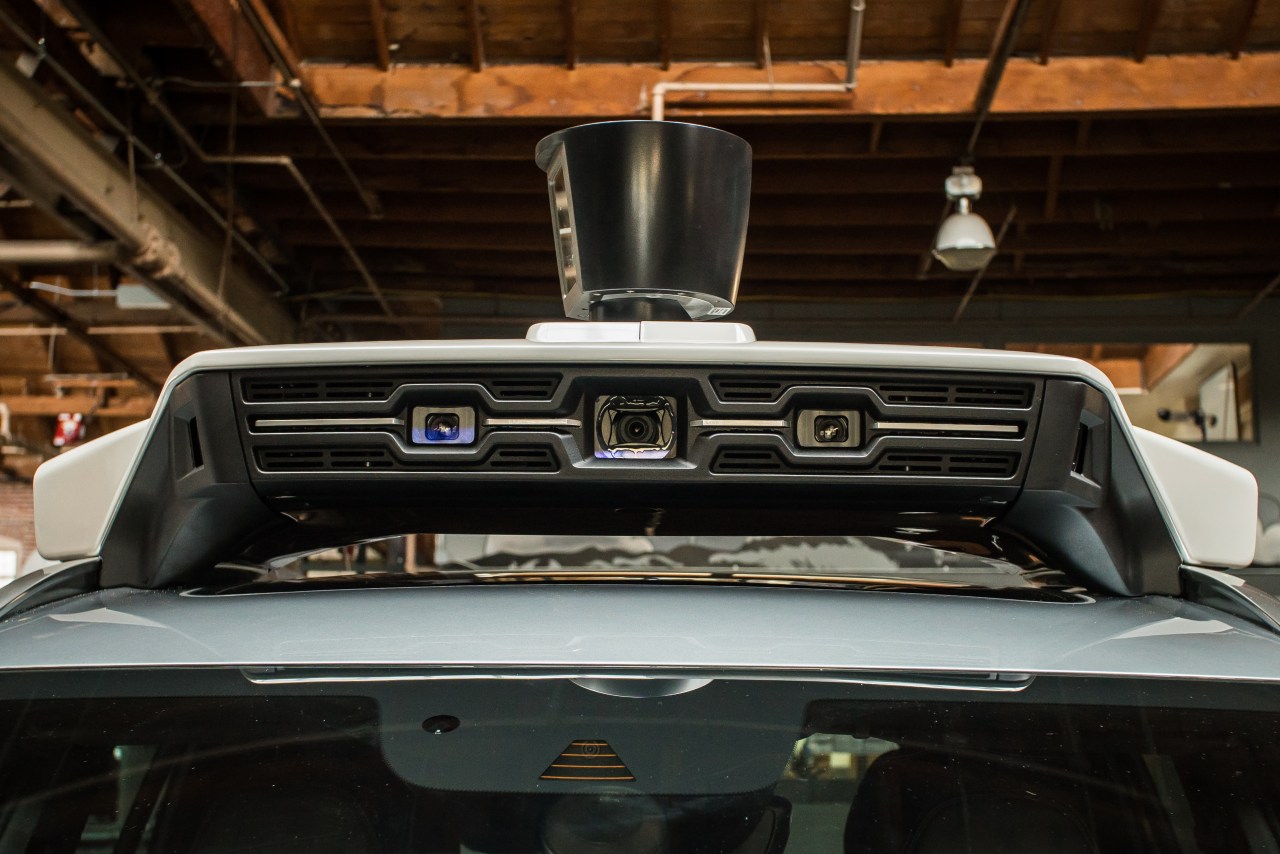
- Lidar Technology: The top-mounted lidar system actively emits infrared laser pulses to generate a 3D model of the environment surrounding the vehicle. This powerful tool provides real-time spatial data, enabling the vehicle to recognize both static and dynamic objects, including pedestrians. However, limitations exist in adverse weather, as heavy fog or snow can interfere with lidar’s laser accuracy.
- Radar Systems: Complementing lidar, radar uses radio waves, allowing it to perform well in poor visibility conditions. Its strengths lie in detecting larger obstacles like vehicles, but its ability to identify human-size objects is less precise. By working in conjunction with lidar, radar can provide an additional layer of data surrounding the car.
- Optical Cameras: The cameras mounted on self-driving cars are essential for interpreting the visual world. They excel at recognizing traffic signals, reading signs, and detecting pedestrians. Advanced computer vision algorithms process this data, enabling the vehicle to make educated decisions based on real-world context.
- Artificial Intelligence Algorithms: The various sensors feed their information into a powerful central computing unit that synthesizes this data into a coherent picture of the environment. Advanced machine learning algorithms are continuously trained to improve their ability to recognize pedestrians, quickly adapting to different scenarios. This includes assessing their actions, estimating their behavior, and responding in real-time.
- The Safety Driver’s Role: Despite the advanced technology, a human safety driver remains present for additional fail-safe protocols. Trained to intervene when the system fails or misinterprets its surroundings, the safety driver serves as a critical component, marrying human intuition with machine efficiency.
Where Did It Go Wrong?
Given the technology at play, one must question how an incident such as this could occur. While the precise details of the event are still under investigation, potential culprits could include:
- System Misinterpretation: The algorithms may have faced challenges in appropriately detecting the pedestrian and predicting their movements.
- Environmental Factors: The conditions under which the pedestrian was encountered—lighting, weather, and road conditions—could all have affected the sensors’ performance.
- Human Error: The safety driver’s response time might have also played a role, as they need to balance between trusting the technology and reacting to unexpected situations.
The interplay among these factors is complex, indicating a need for not only technological improvement but also an evaluation of how these machines interact with dynamic environments.
The Path Ahead for Autonomous Vehicles
To capitalize on the potential of self-driving cars, the industry must commit to enhancing the detection systems, integrating various technologies, and ensuring that best practices are established for safety drivers. Consumer trust, alongside regulatory scrutiny, will determine the pace at which this technology is adopted. To prevent accidents and improve system reliability, continuous testing, transparency, and regulatory oversight is critical.
Conclusion
The Uber incident sheds light on the vital importance of improving the algorithms, sensor technologies, and human oversight in the pursuit of truly safer self-driving vehicles. As the world moves closer to the deployment of fully autonomous vehicles, understanding and addressing the pitfalls of today will shape the future of this groundbreaking technology.
At fxis.ai, we believe that such advancements are crucial for the future of AI, as they enable more comprehensive and effective solutions. Our team is continually exploring new methodologies to push the envelope in artificial intelligence, ensuring that our clients benefit from the latest technological innovations.
For more insights, updates, or to collaborate on AI development projects, stay connected with fxis.ai.