
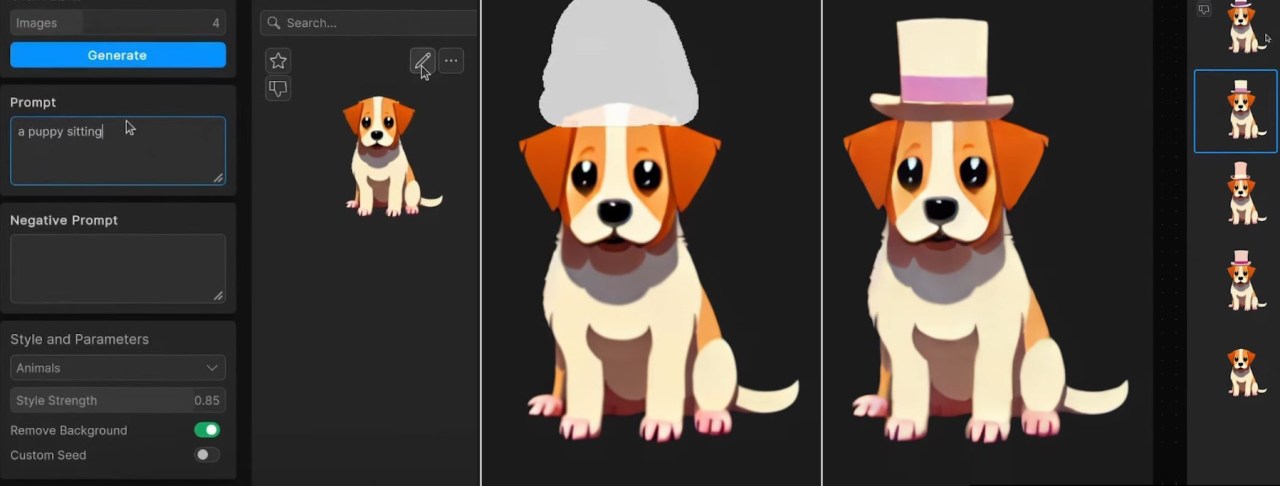
As the gaming landscape continues to evolve, so does the technology that supports it. Unity Technologies, a well-known player in the gaming engine market, has recently announced its innovative new product suite, Unity Muse. This initiative aims to empower developers with generative AI tools designed with both utility and ethical considerations in mind. In a world where concerns about intellectual property (IP) theft are prevalent, Unity’s approach to AI development is both refreshing and necessary.
The Vision Behind Unity Muse
At its core, Unity Muse is crafted to simplify the development process, particularly for smaller developers who might struggle against the vast resources available to larger studios. Unity has long prided itself on being accessible to indie creators, and the launch of Muse underscores this commitment. With features like texture and sprite generation set to evolve into animation and coding capabilities, Muse promises to streamline workflows and ultimately enhance creativity within development teams.
- Texture and Sprite Generation: Developers can create assets without extensive manual effort, which traditionally consumes time and resources that could be channeled elsewhere.
- Cloud-Based Solutions: The integration of Muse within a cloud platform means that developers can collaborate more effectively, making it easier to share resources across teams and locations.
- Future Scope: The upcoming support for animation and complex programming tasks shows Unity’s commitment to growing Muse into a comprehensive tool that addresses diverse aspects of game development.
AI’s Role in Effective Prototyping
Prototyping is a critical phase in game development, where ideas are fleshed out into tangible formats. Unity Muse recognizes that high-quality assets aren’t always the priority during this early stage. Many prototypes rely on placeholder graphics, which might blur the lines of the final product’s vision. Muse aims to offer customizable, original content, drawing a clear distinction between a developer’s intention and generic stock resources. This not only serves the functional needs of prototyping but ties back to a developer’s unique brand identity, which is crucial for attracting interest from publishers or investors alike.
Ethical AI Practices: A Priority for Unity
Unlike other platforms that may not have prioritized ethical considerations, Unity Muse reinforces the importance of respecting artists’ rights and creative integrity. The training methodologies used in Muse are built from a curated dataset of Unity-owned or licensed imagery, ensuring that content generation does not infringe upon the IP of artists who have not consented to the use of their work.
This innovative approach means that while the quality of generated assets may initially be less polished, the long-term goal is to establish a framework that allows creators to innovate in a responsible manner. Unity’s focus on sustainability in AI practices ultimately cultivates a more ethical ecosystem, encouraging collaboration rather than competition within the creative community.
What’s Next for Unity Muse?
The anticipated features of Unity Muse, including AI-driven animation and behavioral scripting, are set to debut in the coming year. This development could be a game-changer, particularly for studios that require rapid iteration and refinement in gameplay design. By integrating sophisticated AI tools, developers will have the ability to create more complex gameplay experiences with relative ease.
Unity Muse is available at $30 per month, providing standalone access to these innovative tools. As game developers embrace these new capabilities, discussions around the value proposition of Muse will almost certainly emerge within the community.
Conclusion
Unity Muse is not just another generative AI tool; it signifies Unity’s commitment to fostering an ethical and inclusive development environment. With its focus on supporting smaller developers and protecting artistic integrity, Muse sets a precedent for what responsible AI development should look like in the gaming industry. As Unity continues to roll out features and gather feedback, the true impact of this initiative will become clearer, potentially reshaping how developers approach creativity in the digital realm.
At fxis.ai, we believe that such advancements are crucial for the future of AI, as they enable more comprehensive and effective solutions. Our team is continually exploring new methodologies to push the envelope in artificial intelligence, ensuring that our clients benefit from the latest technological innovations. For more insights, updates, or to collaborate on AI development projects, stay connected with fxis.ai.