
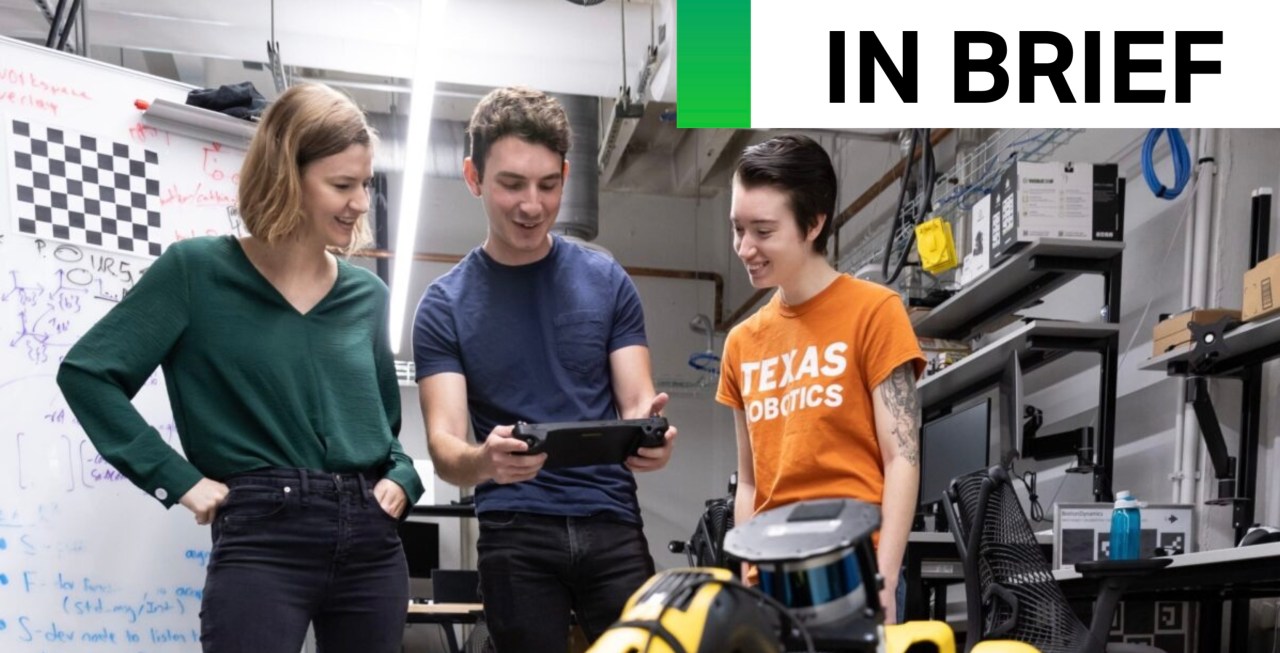
The landscape of higher education is constantly evolving, and the University of Texas at Austin is leading the charge by transforming how students engage with robotics. In a groundbreaking move, the university has opened its undergraduate robotics program to incoming freshmen, making it one of the first honors programs in the U.S. to allow high school applicants to directly apply for this advanced track as part of their initial admission process. This significant shift highlights a broader trend: robotics is moving beyond the niche of specialized graduate studies and into the hands of curious and motivated undergraduates.
Revolutionizing Robotics Education
Traditionally, robotics education has been reserved for those who have already committed to lengthy studies in engineering or advanced sciences. However, the demand for skilled robotics professionals is skyrocketing, driven by advancements in artificial intelligence, automation, and the growing integration of robots in everyday applications. With the University of Texas now allowing high school students to pursue this specialized field right from their freshman year, the initiative can ignite a passion for robotics earlier than ever before.
A Program with Strong Foundations
The robotics minor at the University of Texas is not just an isolated field of study; it is intricately connected to a diverse range of other majors, including:
- Aerospace Engineering
- Electrical and Computer Engineering
- Computational Engineering
- Computer Science
- Mechanical Engineering
By aligning the robotics minor with these key areas, the program emphasizes interdisciplinary learning, ensuring that students gain a well-rounded education that equips them for the complexity of real-world robotics applications. This integration also allows freshmen to explore multiple facets of engineering and technology, helping them to find their unique niche within the evolving landscape of robotics.
Responding to the Rise of Robotics in Education
One of the driving forces behind this initiative is the increasing prominence of robotics in high school STEAM (Science, Technology, Engineering, Arts, and Mathematics) education. With robotics clubs and competitions becoming more prevalent in high school curricula, students are being inspired to delve into this exciting field well before they even set foot on a college campus. The University of Texas is poised to capture and nurture this enthusiasm, positioning itself as a leader in robotics education for the next generation of innovators.
Implications for the Future of Robotics
This initiative signifies a monumental shift in how educational institutions perceive robotics. By providing these opportunities, the University of Texas not only cultivates interest among high schoolers but also assures that future engineers are better prepared to meet industry demands. A more robust pipeline of skilled professionals will be essential as robots continue to permeate various sectors, from manufacturing to healthcare.
Conclusion: A Call to Action
The University of Texas at Austin’s decision to open its robotics program to freshmen has the potential to reshape the educational journey of countless aspiring engineers. As robotics technology rapidly evolves, it’s crucial for educational institutions to adapt and provide pathways that engage students from an early stage. This program not only fosters a new generation of innovators but also signals that the future of robotics is bright, inclusive, and incredibly exciting.
At fxis.ai, we believe that such advancements are crucial for the future of AI, as they enable more comprehensive and effective solutions. Our team is continually exploring new methodologies to push the envelope in artificial intelligence, ensuring that our clients benefit from the latest technological innovations. For more insights, updates, or to collaborate on AI development projects, stay connected with fxis.ai.