
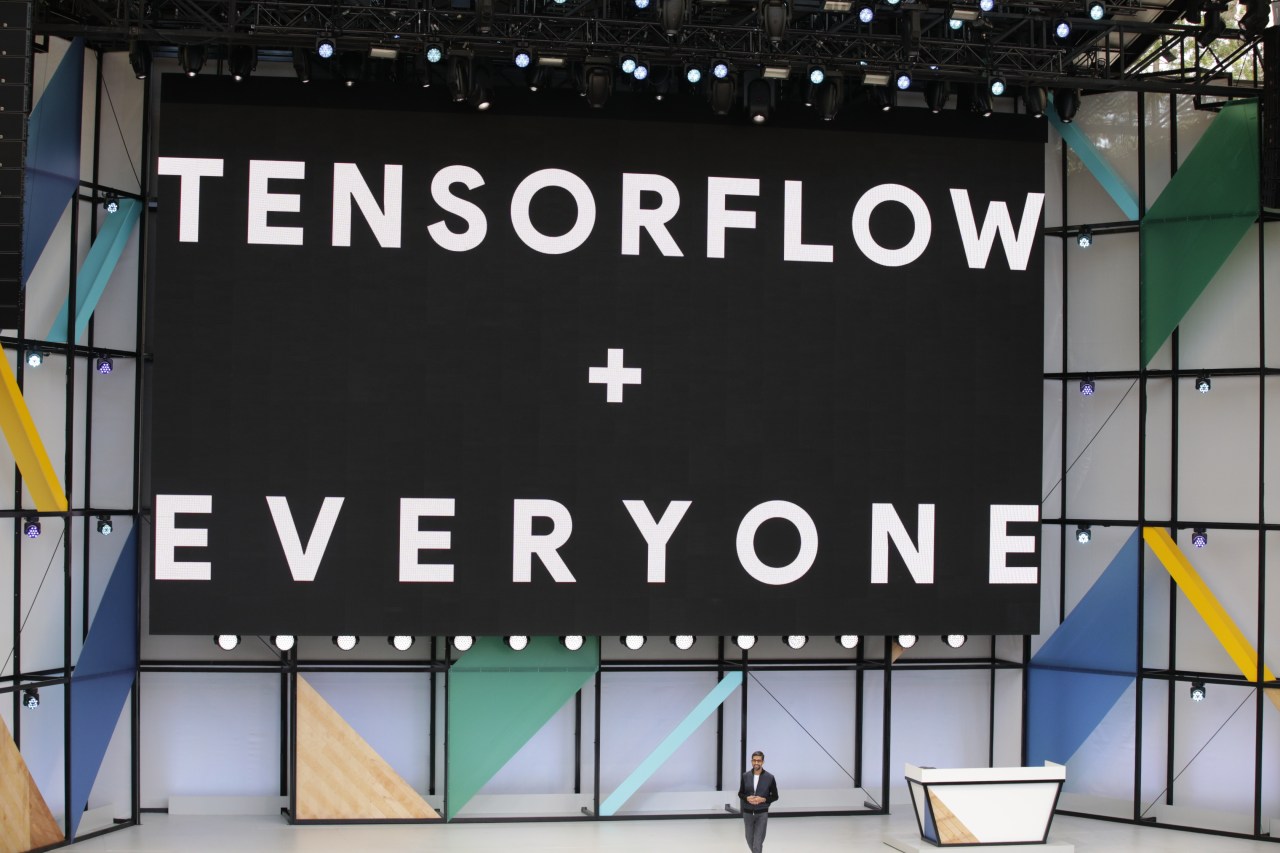
In a move that could redefine the landscape of machine learning research, Google has committed to delivering a considerable boost to researchers through its groundbreaking TensorFlow Research Cloud program. This initiative, launched during Google I/O, is not just a generous offering but a strategic push towards democratizing access to cutting-edge technology.
A New Era of Accessibility
The TensorFlow Research Cloud (TFRC) program opens the door for both aspiring and seasoned researchers alike to tap into Google’s powerful resources. With a staggering offering of a cluster of 1,000 Cloud TPUs (Tensor Processing Units), researchers from a variety of backgrounds can leverage technology that was previously reserved for well-funded academic institutions.
Each Cloud TPU boasts an impressive 180 teraflops of floating-point performance and comes with 64GB of memory—capabilities that can significantly accelerate the training and inference of deep learning models.
Application Process: A Gateway to Collaboration
The application process is structured to ensure that the program attracts worthy projects aimed at pushing the boundaries of AI. Interested researchers are invited to fill out a questionnaire detailing essential aspects such as:
- Typical size of training datasets
- Average duration required for model training
- Preferred platforms and frameworks for model development
- Current hardware specifications
While applications are yet to be opened, Google encourages individuals to indicate their interest, fostering a community eager to innovate.
Open Research – A Step Towards Transparency
One of the fascinating aspects of the TFRC program is its emphasis on open research. Google asks selected researchers to share their findings through peer-reviewed publications and open-source code. This level of transparency not only fosters collaboration but is also likely to speed up the advancement of AI technologies by enabling the community to build on one another’s work.
However, recognizing that not all research can abide by these principles, Google plans to offer a Cloud TPU Alpha program for more private, internal projects. This dual approach ensures that diverse research needs and methodologies are adequately accommodated.
The Ripple Effect of Generosity
The implications of this initiative are vast. By providing access to high-performance computing resources, Google is leveling the playing field for researchers. Projects in fields like healthcare, sustainable energy, and advanced robotics all stand to benefit from accelerated processing capabilities. Imagine a small research team making a breakthrough discovery in drug development due to the computational power afforded by the TFRC program. This could spark a new wave of innovation in previously underfunded areas of research.
Conclusion: A Future Energized by Collaboration
The TensorFlow Research Cloud is more than just an outreach program; it represents a shift in the way research is conducted in the realm of machine learning. It’s an exciting opportunity for researchers to optimize their work with resources that were once mere dreams for many.
This initiative can lead to a richer knowledge base, where collaboration flourishes and learning accelerates. As we move toward a future driven by technology, such generous endeavors are paramount for fostering new ideas and innovations.
At fxis.ai, we believe that such advancements are crucial for the future of AI, as they enable more comprehensive and effective solutions. Our team is continually exploring new methodologies to push the envelope in artificial intelligence, ensuring that our clients benefit from the latest technological innovations.
For more insights, updates, or to collaborate on AI development projects, stay connected with fxis.ai.