
In an age where artificial intelligence is no longer just a buzzword, but a driving force behind innovation across numerous industries, the need for practical knowledge in machine learning has intensified. Google, in collaboration with Coursera, has answered this pressing demand with the launch of a specialized machine learning course meticulously designed for practitioners. Let’s delve into the specifics of this enormous offering and explore what it means for aspiring data scientists and tech enthusiasts alike.
A Diving Board into Real-World Applications
The new specialization titled “Machine Learning with TensorFlow on Google Cloud Platform” comprises five detailed courses, all aimed at equipping students with the skills needed to build real-world machine learning models. This practical focus sets it apart from earlier offerings, enabling participants to grasp the complexities of not just creating models, but effectively deploying them into production environments.
The Course Structure: From Setup to Deployment
- Environment Setup: Students will begin by establishing their working environment—essential knowledge that many often overlook.
- Dataset Preparation: Learning to create and sanitize datasets prepares learners for real-world challenges where data quality is non-negotiable.
- Model Development: With TensorFlow at the core, participants will write and refine distributed models, taking them from theory to effective practice.
- Parameter Tuning: An essential aspect of machine learning, parameter tuning will play a crucial role in improving project outcomes.
According to Lak Lakshmanan, Google’s Tech Lead in Big Data and Machine Learning, this course was born from a strong demand for advanced learning. Many wanted more than just the basics; they desired an in-depth understanding of how to leverage machine learning in a corporate setting. With companies vying for talent and struggling to find qualified experts, this specialization aims to fill that gap within their existing workforce, making it particularly appealing to employers.
Addressing the Skills Gap
The fact remains: as the tech landscape evolves, so does the need for new skills. Machine learning is no longer limited to academics or elite professionals; it permeates nearly every technical domain. Creatives, data analysts, and even project managers can benefit from this knowledge.
For recent graduates or self-taught tech enthusiasts, bridging the gap between theoretical knowledge and practical application is crucial, particularly when many may be familiar with concepts but lack hands-on experience. This specialization effectively addresses that need, bringing both fresh graduates and seasoned professionals together in the mission to hone their machine learning skills.
Cloud Computing: Breaking Down Barriers
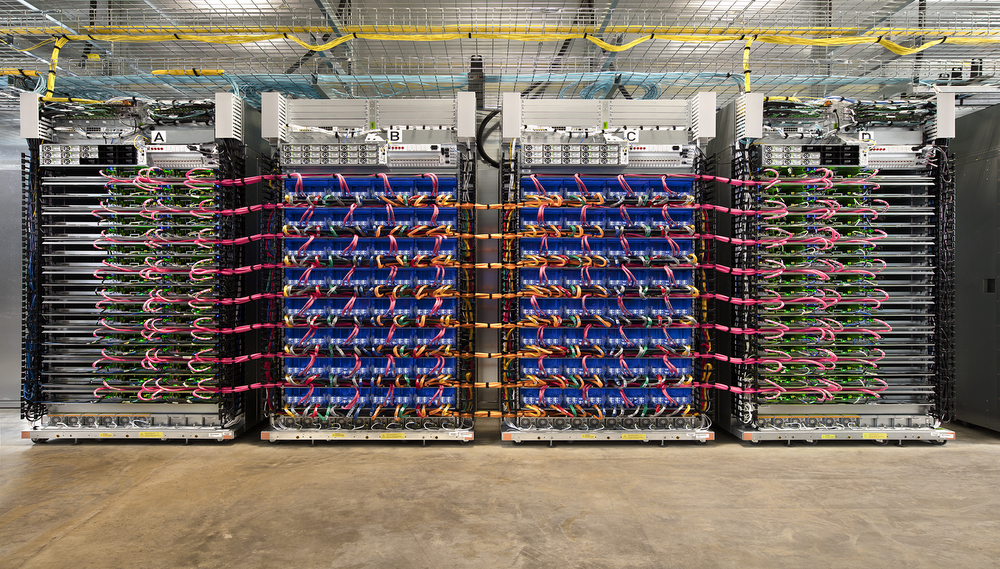
Furthermore, technological advancements in cloud computing have revolutionized access to machine learning. Gone are the days when a formidable GPU was a prerequisite for experimentation. With Google Cloud’s TPUs and other similar services, aspiring developers can now explore machine learning without the hefty hardware investment that previously deterred many hopeful practitioners.
Looking Ahead: The Future of Machine Learning Education
As exciting as this collaboration is, there’s more on the horizon. Lakshmanan hinted at future courses that would focus specifically on unstructured data, catering to an array of complex challenges that businesses face today. It’s a necessary evolution considering that machine learning is not a one-size-fits-all solution—it requires adaptability and a deep understanding of various data types.
Conclusion: Bridging Knowledge and Application
In conclusion, the “Machine Learning with TensorFlow on Google Cloud Platform” specialization represents a significant step forward in making machine learning education more accessible and practical. As employers look to upskill their workforce and workers strive to stay ahead in an evolving job market, this partnership between Google and Coursera offers the perfect blend of theory and application. By empowering individuals with the skills needed for practical machine learning, they are not only enhancing their own capabilities but also making tangible contributions to their organizations.
For more insights, updates, or to collaborate on AI development projects, stay connected with fxis.ai.
At fxis.ai, we believe that such advancements are crucial for the future of AI, as they enable more comprehensive and effective solutions. Our team is continually exploring new methodologies to push the envelope in artificial intelligence, ensuring that our clients benefit from the latest technological innovations.