
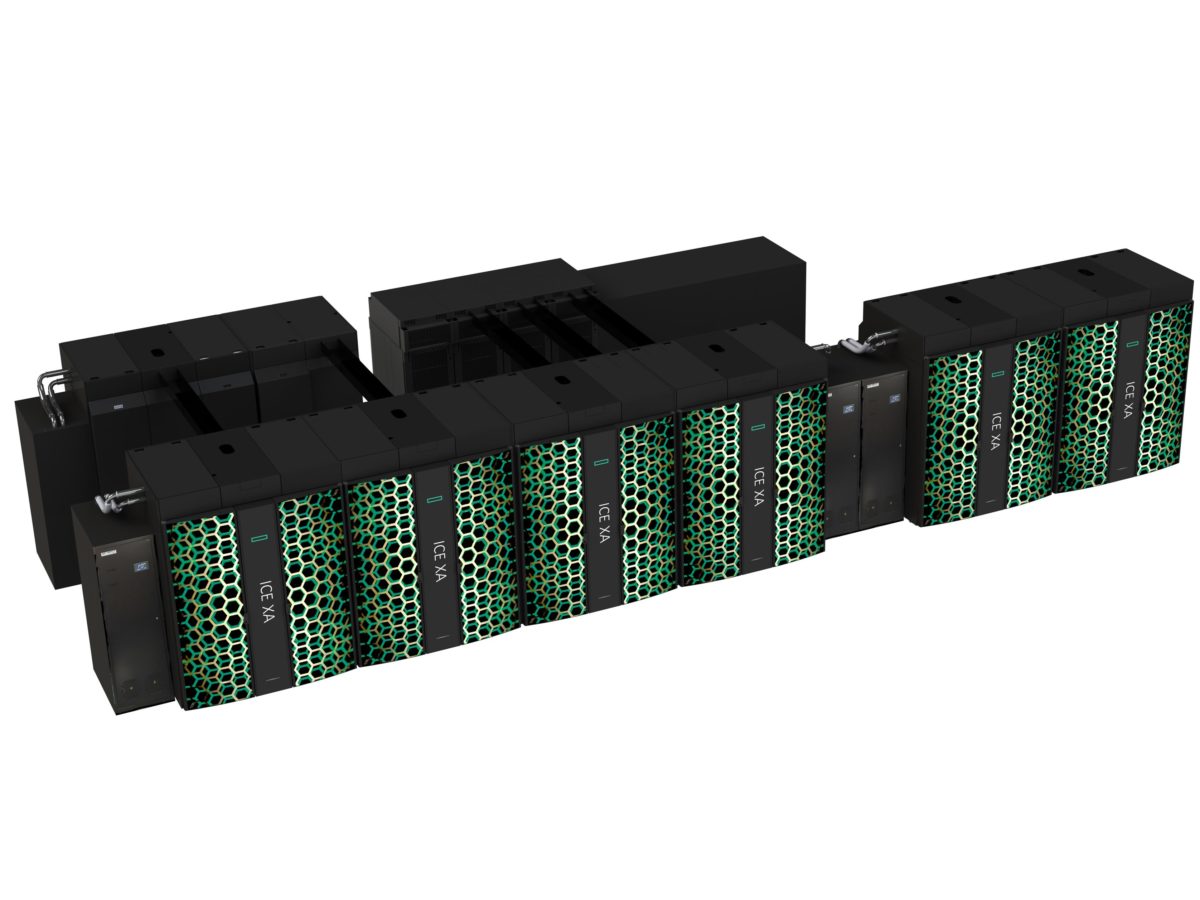
In a groundbreaking move for Japan’s technological landscape, the Tokyo Institute of Technology is set to unveil TSUBAME3.0, the nation’s fastest AI supercomputer powered by Nvidia’s cutting-edge GPUs. This ambitious initiative marks a significant leap forward in the realm of artificial intelligence and positions Japan at the forefront of global AI research and innovation.
Nvidia’s Role in the AI Revolution
Nvidia has long been a powerhouse in graphics processing, but its recent pivot to artificial intelligence has transformed its business model. The collaboration with the Tokyo Institute of Technology highlights how key players in the tech industry are recognizing and adapting to the immense potential that AI offers across various sectors. The adoption of Nvidia’s Tesla P100 GPUs, which utilize the advanced Pascal processing architecture, will enable TSUBAME3.0 to achieve remarkable processing capabilities—doubling the performance of its predecessor, TSUBAME2.5.
A Dual Force in High-Performance Computing
What makes this development particularly impressive is the symbiotic relationship that TSUBAME3.0 will share with TSUBAME2.5. Even as the new supercomputer takes center stage, the existing system won’t be sidelined; rather, it will augment the overall computational power. The anticipated combined performance of 64.3 petaflops is staggering. To put that into perspective, matching this level of computational power would require an astronomical number of standard consumer devices, like smartphones.
The Impact on Research and Development
With an operational goal set for the summer, TSUBAME3.0 is poised to significantly enhance educational and research capabilities at the Tokyo Institute of Technology. Researchers will have access to unparalleled computational resources, enabling them to tackle complex problems and innovate in various domains, from material science to machine learning. The institute plans to extend this technology to the private sector, fostering collaborations that could unleash new breakthroughs in AI.
Investing in Future Generations
The implications of such a powerful supercomputer extend beyond immediate research needs. As the Tokyo Institute of Technology harnesses the capabilities of TSUBAME3.0, it will also serve as a critical platform for training future generations of engineers and scientists. Students will have the opportunity to engage with the latest AI technologies, preparing them for careers in an ever-evolving job market where proficiency in artificial intelligence is increasingly invaluable.
A Collaborative Future
The endeavor to create and deploy TSUBAME3.0 underscores a broader trend in which academic institutions, tech companies, and industries must work hand in hand to advance AI research. By fostering partnerships with leading tech innovators like Nvidia, schools are not only improving their capabilities but also contributing to a broader ecosystem of innovation.
Conclusion: A New Dawn for AI in Japan
As TSUBAME3.0 gears up to become operational, it stands as a testament to Japan’s commitment to harnessing artificial intelligence for education and research. The collaboration between the Tokyo Institute of Technology and Nvidia signifies a new chapter in high-performance computing and AI development, ensuring that Japan remains at the cutting edge of technological advancements.
At fxis.ai, we believe that such advancements are crucial for the future of AI, as they enable more comprehensive and effective solutions. Our team is continually exploring new methodologies to push the envelope in artificial intelligence, ensuring that our clients benefit from the latest technological innovations.
For more insights, updates, or to collaborate on AI development projects, stay connected with fxis.ai.