
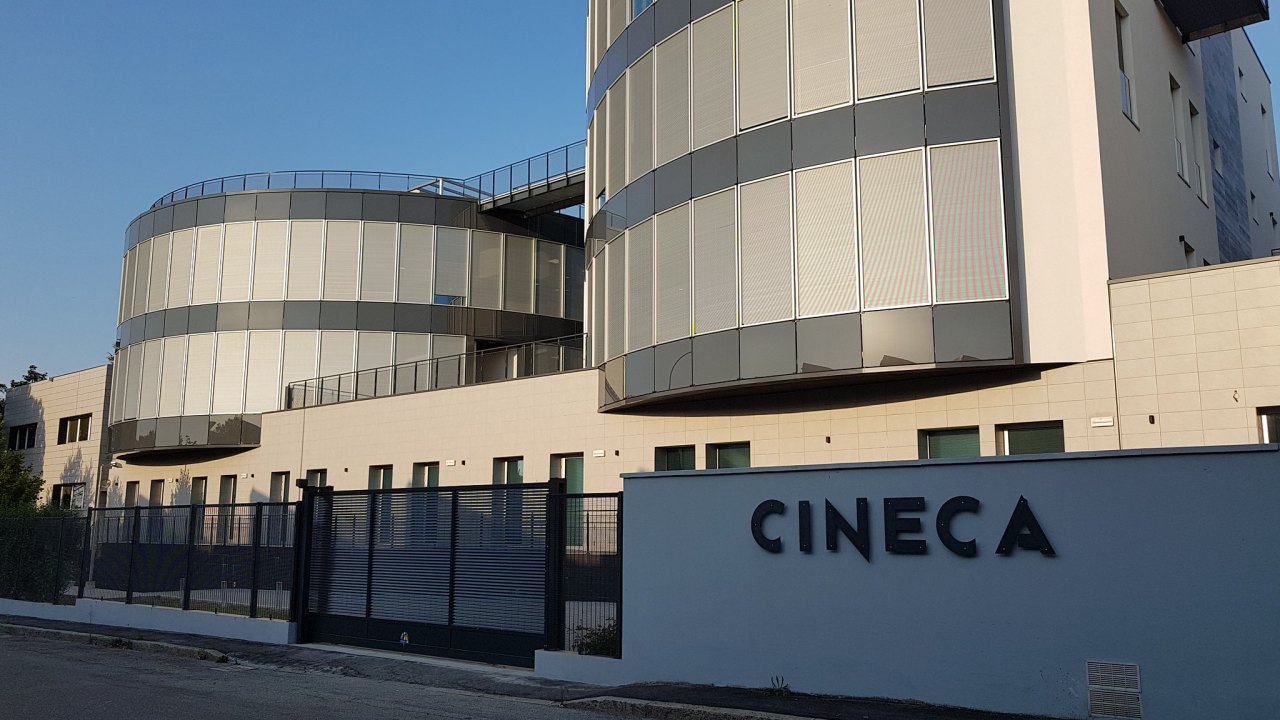
The world of artificial intelligence (AI) is constantly evolving, with technological advancements paving the way for unprecedented capabilities. Among the latest milestones is Nvidia’s groundbreaking initiative to power “Leonardo,” which is set to become the fastest AI supercomputer globally. Developed by a consortium led by CINECA in Italy, Leonardo will be a cornerstone of Europe’s ambition to elevate high-performance computing in the region. With staggering anticipated performance metrics and innovative applications, let’s explore how this leap in technology is poised to reshape industries and scientific advancements.
A New Era of Supercomputing
At the heart of Leonardo lies Nvidia’s Ampere architecture, comprising over 14,000 GPUs that promise immense computing capabilities. With a potential output of 10 exaflops of FP16 AI performance, Leonardo is designed to tackle some of the most demanding computing tasks faced by researchers and industries alike. This leap in processing power signifies a new era where AI can analyze vast datasets, optimize complex algorithms, and ultimately drive innovation across various sectors.
Collaborative Efforts Across Europe
Leonardo is not a solitary endeavor. It is part of a collaborative European effort that includes notable supercomputers like MeluXina in Luxembourg and Vega in Slovenia. This pan-European consortium marks a substantial step towards enhancing computational capabilities in Europe, showcasing the importance of teamwork in pushing the boundaries of technology.
- MeluXina: Aimed at providing advanced research and development capabilities with a focus on public service operations.
- Vega: Designed for scientific computing, Vega will cater to various sectors including healthcare and engineering.
- Future Prospects: Plans for four additional supercomputers in Bulgaria, Finland, Portugal, and Spain highlight a long-term vision for AI advancement in Europe.
Pioneering Applications of Leonardo
With its extreme processing capabilities, Leonardo will offer remarkable applications that we can only dream of with conventional technology. CINECA and its partners envision a range of projects such as:
- Genomic Analysis: The ability to process complex genetic data could lead to revolutionary advances in personalized medicine and therapeutics.
- Space Exploration: By synthesizing data from varied sources, researchers can delve deeper into extraterrestrial studies, paving the way for future planetary research.
- Weather Modeling: Enhanced simulations of weather patterns, including extreme events, can significantly contribute to disaster management and climate studies.
The Role of Networking in Performance
An essential component of Leonardo’s architecture is Nvidia’s Mellanox HDR InfiniBand networks, which will provide the necessary low-latency broadband connections between the GPU clusters. This technological coupling ensures that Leonardo not only excels in computational speed but also maintains fluid communication between its components, an element critical for multi-tasking and data-heavy operations.
Looking to the Future
The development of Leonardo represents just the beginning of Europe’s ambition to harness supercomputing for various applications. As Nvidia collaborates with researchers and enterprises, whether in the fields of healthcare, climate science, or engineering, we can expect innovations that enhance efficiency and address complex challenges in today’s dynamic environment.
At fxis.ai, we believe that such advancements are crucial for the future of AI, as they enable more comprehensive and effective solutions. Our team is continually exploring new methodologies to push the envelope in artificial intelligence, ensuring that our clients benefit from the latest technological innovations.
Conclusion
As the world gears up for the inauguration of Leonardo, the excitement around AI’s potential capabilities is palpable. By combining unparalleled computing power with cross-European collaboration and innovative applications, we are witnessing a technological renaissance poised to influence multiple fields globally. The future of supercomputing in Europe shines brightly, and it beckons us to join the journey in exploring its infinite possibilities.
For more insights, updates, or to collaborate on AI development projects, stay connected with fxis.ai.