
As businesses increasingly rely on data to drive their decisions, the ability to prepare and integrate data seamlessly becomes critical. Google, at its Cloud Next conference, unveiled a series of exciting new tools designed to enhance the data preparation process and simplify the journey to the cloud. With improvements that emphasize usability and advanced features, Google Cloud is setting the stage for businesses to thrive.
The Birth of Google Cloud Dataprep
At the forefront of their announcement was the private beta launch of Google Cloud Dataprep. This innovative tool reshapes how users approach data preparation by introducing a visual interface that makes the experience more intuitive. By leveraging machine learning, Dataprep not only suggests data transformations but also implements anomaly detection to ensure a high standard of data quality.
One of the standout features is the drag-and-drop functionality, which empowers users to manipulate data without delving into complex coding. With its straightforward design, Dataprep invites users from various backgrounds—whether they are data scientists or marketing analysts—to participate in data transformation processes with ease.
Streamlined Data Integration with BigQuery
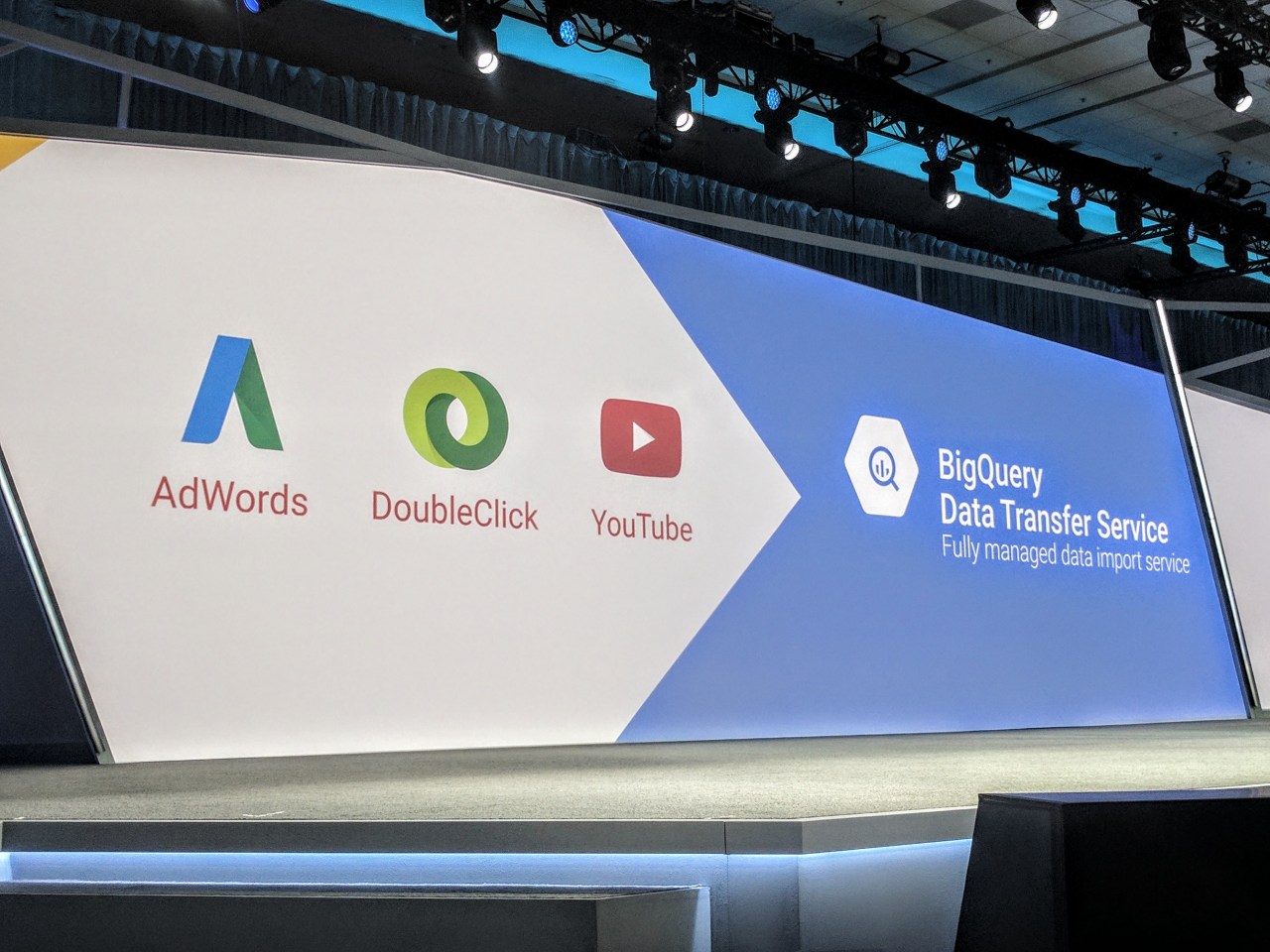
Complementing Dataprep is the revamped BigQuery Data Transfer Service, aimed at simplifying the merging of data from diverse sources. This service is particularly beneficial for businesses that need to consolidate datasets from systems like Xignite and Dow Jones.
- Support for visualization tools like Tableau allows users to build insightful analytics effortlessly.
- The integration with Cloud Bigtable ensures that even larger projects can be handled without the cumbersome task of data duplication.
Empowering Developers with New Tools
Google has not forgotten the developer community. The general availability of Python SDK for Cloud Dataflow opens up opportunities for developers who prefer Python over Java, enhancing collaboration and skill diversity. Additionally, Cloud Datalab moves to general availability, providing a powerful workflow tool that integrates seamlessly within Jupyter notebook environments, allowing for smooth data analysis using standard SQL.
Thanks to support for tools like TensorFlow and Scikit-learn, users can delve into advanced analytics and machine learning models effectively. The flexibility of processing, either as batch or stream, through Cloud Dataflow or Apache Spark via Cloud Dataproc, has now become a reality.
Monitoring Made Easy
To wrap it all up, Google is also enhancing user experience with Stackdriver Monitoring for Cloud Dataflow, now in beta. This tool aims to power monitoring and diagnostics for applications hosted on GCP or AWS—providing developers with the visibility they need in their operations.
Conclusion: A Step Forward for Cloud Users
With the introduction of these powerful tools, Google is significantly enhancing the agility and efficacy of its cloud offerings. The focus on a user-friendly interface, supported by robust machine learning capabilities, is poised to empower businesses to unlock the depth of their data.
At [fxis.ai](https://fxis.ai/edu), we believe that such advancements are crucial for the future of AI, as they enable more comprehensive and effective solutions. Our team is continually exploring new methodologies to push the envelope in artificial intelligence, ensuring that our clients benefit from the latest technological innovations.
For more insights, updates, or to collaborate on AI development projects, stay connected with [fxis.ai](https://fxis.ai/edu).