
In the ever-evolving landscape of technology, the emergence of AI-driven tools presents exciting opportunities for everyday users. One such groundbreaking tool is Google Lens, which has made significant strides since its introduction. Recently integrated into the Pixel 3 camera, Google Lens has transformed how we interact with the world around us—blurring the lines between reality and digital convenience.
The Intersection of Vision and AI
Google Lens harnesses the potent combination of artificial intelligence and visual recognition technology, enabling users to engage with their surroundings in intelligent ways. Imagine walking down a busy street, spotting an intriguing movie poster, and effortlessly accessing local theater listings or actor biographies just by pointing your camera at it. This seamless integration showcases the capability of AI to simplify complex searches, enhancing our daily lives.
Bringing the World Closer with AR Features
With this feature, visual search goes beyond simple queries. Users can also instantly translate text, providing them with greater access to different cultures without the language barrier. For instance, travelers can hold their smartphones up to foreign signs or menus and receive an instant translation right in their camera app. This feature acts as a bridge, connecting people to places and experiences that would otherwise remain out of reach.
Shopping Redefined: Style Search
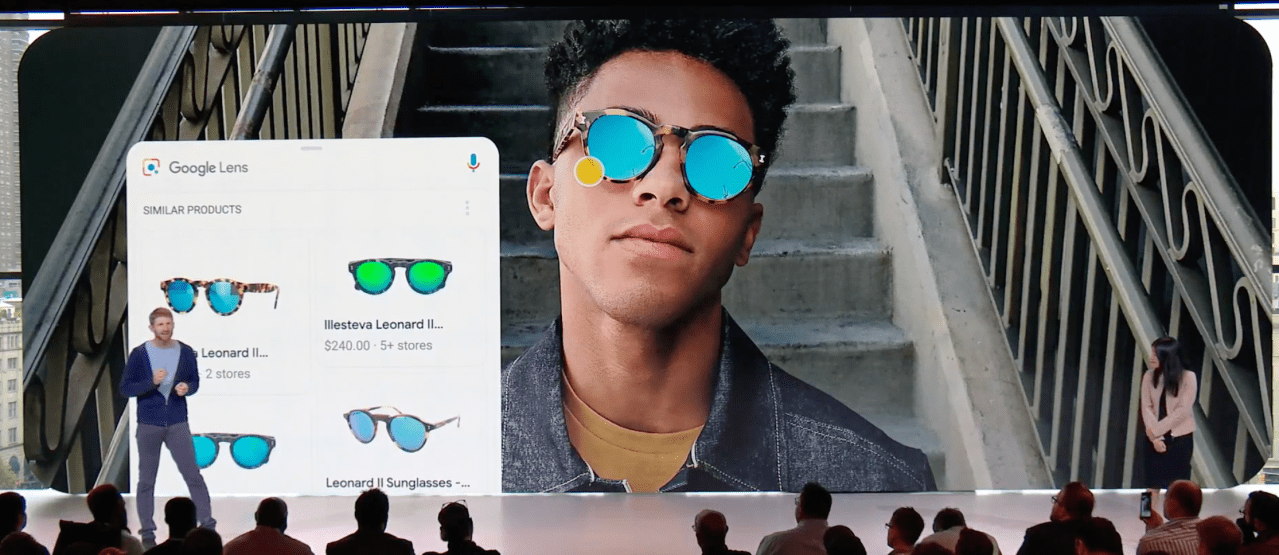
One of the most exciting additions to Google Lens is the “Style Search” feature. With just a long press, users can identify products they encounter and find matches online. Imagine spotting a friend’s unique sunglasses or a pair of shoes in your favorite magazine and being directed to where you can buy them online. Similar to Pinterest’s visual search capabilities, Style Search simplifies shopping—making it an interactive experience where discovering products becomes effortless.
Offline Capabilities: Smarter Interaction
This innovation does not rely solely on constant internet access. Google Lens can perform many of its functions offline, demonstrating a level of user consideration that enhances its practicality. By combining the Pixel’s visual core with Google’s extensive experience in search and computer vision, users can access many features without worrying about connectivity. This functionality is crucial in cutting-edge devices, setting a standard for AI capabilities that prioritize user agency and convenience.
What This Means for the Future
The introduction of Google Lens in the Pixel 3 camera exemplifies a significant advancement in how we access information and interact with our environment. As AI continues to reshape our understanding of technology, tools like Google Lens will only become more entrenched in daily life, making the world we inhabit more navigable and informative.
Conclusion: Embracing a Smarter Future
Ultimately, the integration of Google Lens into devices like the Pixel 3 represents a pivotal moment in the evolution of AI and user accessibility. This tool not only enhances our capability to search and access information but also encourages a more interconnected experience with our surroundings. At fxis.ai, we believe that such advancements are crucial for the future of AI, as they enable more comprehensive and effective solutions. Our team is continually exploring new methodologies to push the envelope in artificial intelligence, ensuring that our clients benefit from the latest technological innovations.
For more insights, updates, or to collaborate on AI development projects, stay connected with fxis.ai.