
In an era where mobile technology is becoming increasingly integrated with artificial intelligence (AI), Google’s TensorFlow Lite has ushered in a new chapter for developers, offering unprecedented capabilities for machine learning on Android devices. By creating leaner and more efficient models, TensorFlow Lite not only empowers developers but also enhances user experiences across various applications. Let’s delve into the unique facets and potential of this innovative tool.
The Vision Behind TensorFlow Lite
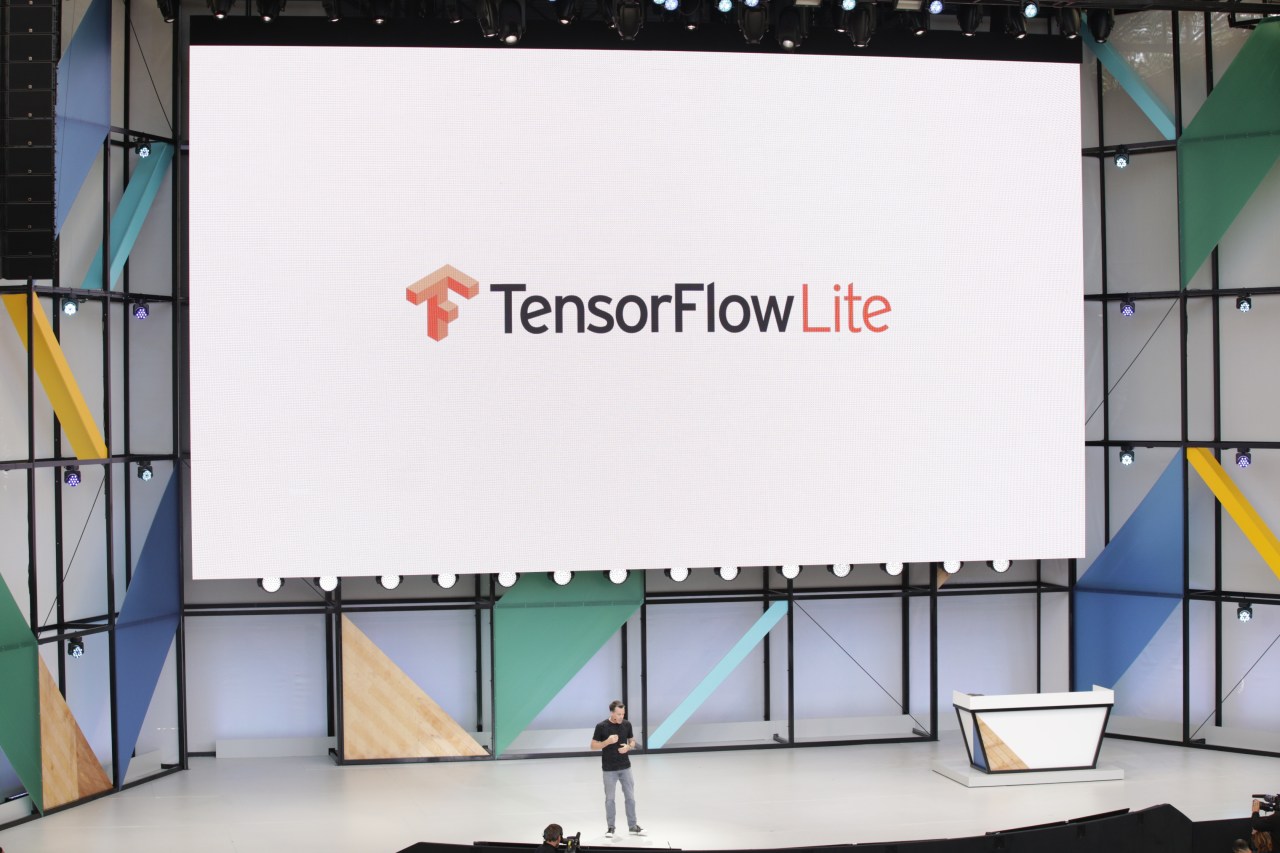
At Google I/O 2017, VP of Engineering Dave Burke brought forth TensorFlow Lite, a streamlined version of TensorFlow designed specifically for mobile platforms. The core objective? Enabling developers to craft and deploy lightweight deep learning models directly onto smartphones. As mobile-centric AI applications continue to multiply, having a dedicated and less cumbersome framework becomes imperative.
Why TensorFlow Lite Matters
- Efficiency in Performance: By ensuring that models are leaner, TensorFlow Lite paves the way for faster execution, requiring less memory without compromising the predictive capabilities of deep learning.
- Offline Functionality: One of the standout features of TensorFlow Lite is its ability to run pre-trained models right on the device. This means that users can enjoy AI functionalities without depending on the cloud, enhancing reliability and speed even in areas with limited connectivity.
- Accessibility for Developers: Google’s decision to open-source TensorFlow Lite further democratizes access to advanced technology, allowing developers from varied backgrounds to experiment and implement sophisticated machine learning models in their applications.
Comparative Edge: Caffe2Go and TensorFlow Lite
Prior to TensorFlow Lite, Facebook introduced Caffe2Go, which catered to mobile deep learning applications. However, TensorFlow Lite sets itself apart through its adaptability and robust capabilities, focusing on the nuances of Android development. While Caffe2Go has powered innovative tools like the Style Transfer feature for photo editing, TensorFlow Lite takes a broader approach, indicating a commitment to embedding AI within the mobile ecosystem itself.
A Look Toward Future Advancements
Although training deep learning models on smartphones remains a computationally demanding task, the potential of having ready-to-use models on mobile devices is a significant step forward. The results? Faster AI interactions, reduced latency, and improved user experiences across applications, from healthcare to autonomous driving.
To further leverage TensorFlow Lite, Google is likely to explore the incorporation of dedicated hardware. This would enhance its capabilities and tailor the user experience, providing the necessary computational resources for even more intensive machine learning tasks.
Conclusion
The introduction of TensorFlow Lite resonates deeply within the expanding intersection of AI and mobile platforms. As Google continues to refine and invest in this paradigm, developers are granted the tools to create remarkable applications that change how we interact with technology. Its advantages extend beyond mere convenience, hinting at a future where mobile devices act as powerful AI computing platforms. At fxis.ai, we believe that such advancements are crucial for the future of AI, as they enable more comprehensive and effective solutions. Our team is continually exploring new methodologies to push the envelope in artificial intelligence, ensuring that our clients benefit from the latest technological innovations. For more insights, updates, or to collaborate on AI development projects, stay connected with fxis.ai.