
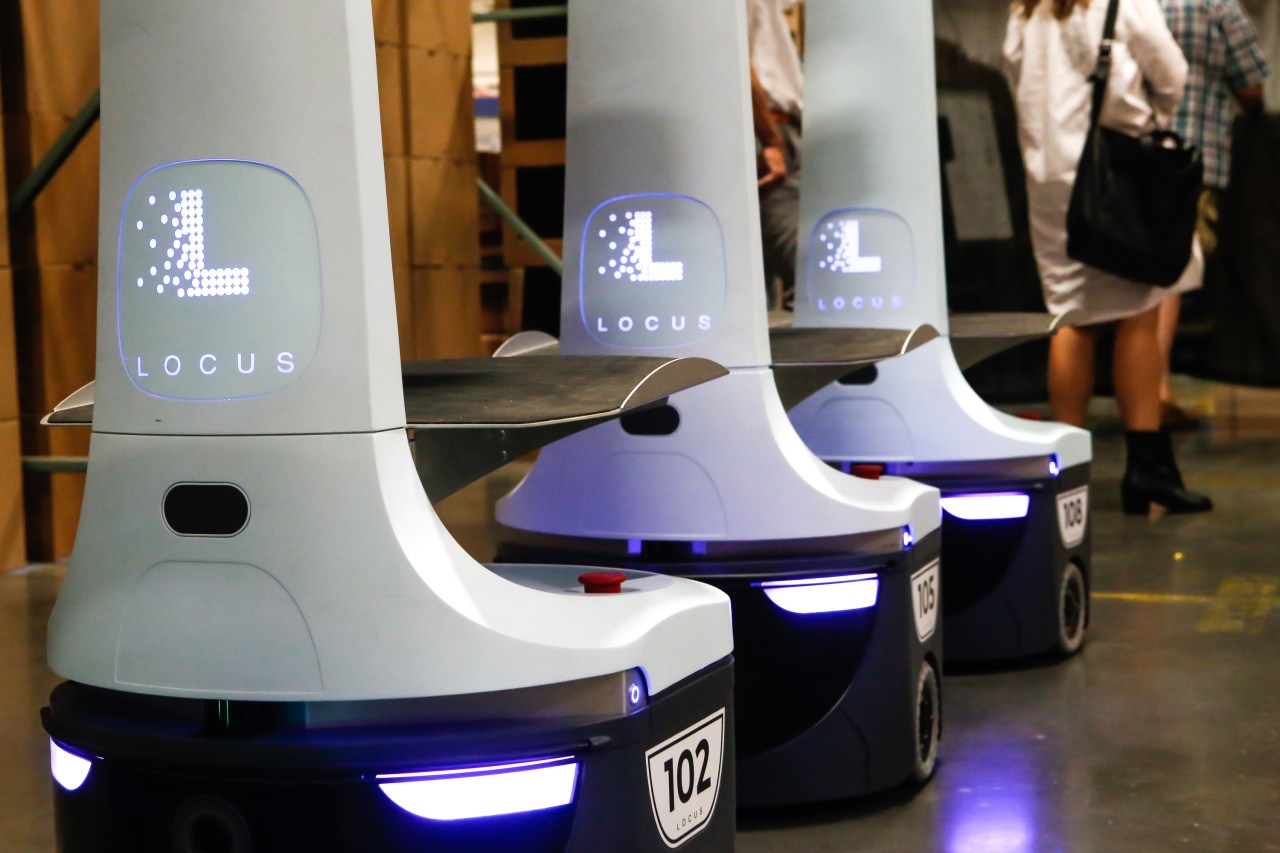
In the ever-evolving world of e-commerce, effective warehousing solutions have become essential to meet the demands of swift order fulfillment. As retailers strive to innovate and streamline their operations, robotic assistants like the LocusBots from Locus Robotics are emerging as game-changers. Recently, the company introduced a groundbreaking navigational system known as LRAN (Locus Robotics Advanced Navigation) that empowers these robots to not only work alongside humans but also engage and communicate with each other. This blog will explore the implications of this technology for warehouse operations and the future of robotics in logistics.
The Need for Advanced Automation
The landscape of online retail has shifted dramatically, especially since the acquisition of Kiva Systems by Amazon, which left many logistics providers searching for effective alternatives. Locus Robotics was established by industry veterans Bruce Welty and Mike Johnson, who recognized that the need for efficient picking and packing systems would only grow as e-commerce flourished. Given that traditional navigation systems were not effectively designed for the dynamic environment of warehouses, the introduction of LRAN is a breath of fresh air in the industry.
How LRAN Enhances Collaboration
Gone are the days when robots operated in isolation. The introduction of the LRAN system allows LocusBots to share real-time data about their surroundings. This includes information about obstacles, other robots, and human workers actively moving about the warehouse. Here’s how this new capability influences warehouse operations:
- Improved Navigation: With greater environmental awareness, LocusBots can navigate more safely and efficiently, reducing the likelihood of collisions with human workers or other machines.
- Enhanced Productivity: By effectively communicating and coordinating, LocusBots can work in tandem to optimize workflow. For instance, they can gather items collectively rather than individually, making the entire process faster.
- Adaptive Responses to Challenges: The unstructured and often chaotic nature of warehouse environments poses unique challenges. LocusBots can react to sudden changes seamlessly, making real-time adjustments to their routes as necessary.
A Glimpse into the Future of Warehouse Robotics
The implications of these advancements stretch far beyond merely automating tasks. As LocusBots become more sophisticated, they provide valuable insights into the future of logistics and fulfillment operations. Imagine a sky of interconnected robots working collaboratively to form a smooth, efficient warehouse ecosystem. This evolution is not merely about robotics; it’s about enhancing human productivity and creating synergies between technology and workforce.
Mike Johnson succinctly summarized the mission behind LRAN at ProMat: “Robots have to navigate safely while making people more productive.” This emphasis on collaboration rather than replacement highlights a trend where humans and robots work together as a cohesive unit rather than independent entities.
Conclusion: A New Era for Warehousing
The integration of LRAN into LocusBots represents a bold leap forward in warehouse automation. As e-commerce continues to evolve, solutions that promote collaboration between robots and human workers will undoubtedly lead to more efficient workflows and increased productivity. With LocusBots adeptly navigating the complex environments of warehouses, they open the door to new possibilities and ensure that operations can keep pace with the growing demands of online retail.
At fxis.ai, we believe that such advancements are crucial for the future of AI, as they enable more comprehensive and effective solutions. Our team is continually exploring new methodologies to push the envelope in artificial intelligence, ensuring that our clients benefit from the latest technological innovations.
For more insights, updates, or to collaborate on AI development projects, stay connected with fxis.ai.