
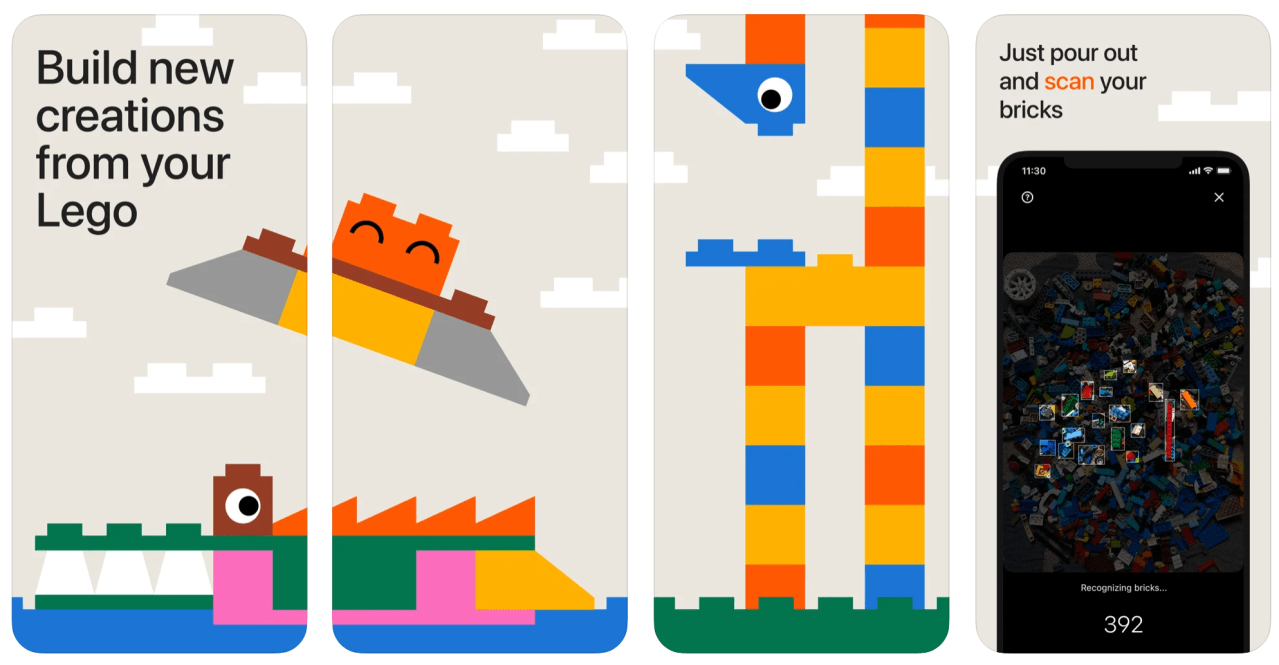
In the ever-evolving landscape of technology and play, one app has stepped forward to revolutionize the way we interact with LEGO bricks. Enter Brickit, the innovative iOS application that employs cutting-edge computer vision technology to transform a seemingly chaotic assortment of LEGO pieces into structured creativity, sparking inspiration for builders of all ages. With LEGO’s rich history of collaboration with tech giants like Apple, Brickit demonstrates the immense potential that exists at the intersection of physical toys and digital solutions.
The Magic of Brickit: A New Era of LEGO Building
Imagine this: your collection of LEGO bricks is sprawled across your living room floor, a mountain of colors and shapes destined for the builder’s imagination. Brickit takes this chaos and employs sophisticated algorithms to sort through the bricks quickly, recognizing each piece as it goes. But how does it work?
- Digging into the Pile: Users simply dump their bricks in a single layer, and within seconds, Brickit scans and identifies them via the iOS camera.
- Project Suggestions: Based on the bricks identified, the app proposes creative projects that the user can build with the pieces on hand.
- Guidance with Precision: Whether you’re a seasoned builder or a novice, Brickit even highlights exactly where in the pile a specific piece is located, streamlining the building process.
Commercial Viability: Why LEGO Should Consider Acquiring Brickit
While Brickit undoubtedly showcases the power of advanced object recognition available in iOS, its roots lie in fan-driven enthusiasm rather than a formal relationship with LEGO. This can pose a challenge; however, the app’s potential extension into a robust platform that more closely aligns with LEGO’s interests makes a compelling case for acquisition.
Firstly, with LEGO’s ongoing efforts to tap into community-driven creativity—exemplified by their acquisition of BrickLink in 2019—integrating Brickit’s technology could provide valuable insight into the preferences and collections of LEGO enthusiasts.
- Comprehensive Instructions Database: If Brickit were part of LEGO, it could interface directly with LEGO’s libraries, offering users instant access to build instructions for thousands of sets.
- User Data Insights: Analyzing users’ collections could allow LEGO to understand trends, encouraging the development of themed sets that resonate with their audience.
- AR Integration: Given LEGO’s previous work with augmented reality, enhanced app features could be built that blend physical and digital play seamlessly.
What Lies Ahead for Brickit
Currently, Brickit is an iOS-only application, but the team behind it is planning to expand its reach to Android users in the future. As technology consistently evolves, so do opportunities for innovation. Imagine being able to piece together instructions not just for traditional builds, but also for custom creations fabricated by fellow LEGO enthusiasts.
At **[fxis.ai](https://fxis.ai/edu)**, we believe that such advancements are crucial for the future of AI, as they enable more comprehensive and effective solutions. Our team is continually exploring new methodologies to push the envelope in artificial intelligence, ensuring that our clients benefit from the latest technological innovations.
Conclusion: The Future of Play is Connected
In the realm of creative building, Brickit stands out as a beacon of innovation, uniting the tactile joy of LEGO with the digital possibilities of modern technology. Whether LEGO chooses to embrace this wave of change or not, the app serves as a timely reminder that the boundaries between physical and digital experiences are continually blurring. By harnessing tools like Brickit, we are not just playing with bricks—we’re building connections that inspire creativity and community.
For more insights, updates, or to collaborate on AI development projects, stay connected with **[fxis.ai](https://fxis.ai/edu)**.