
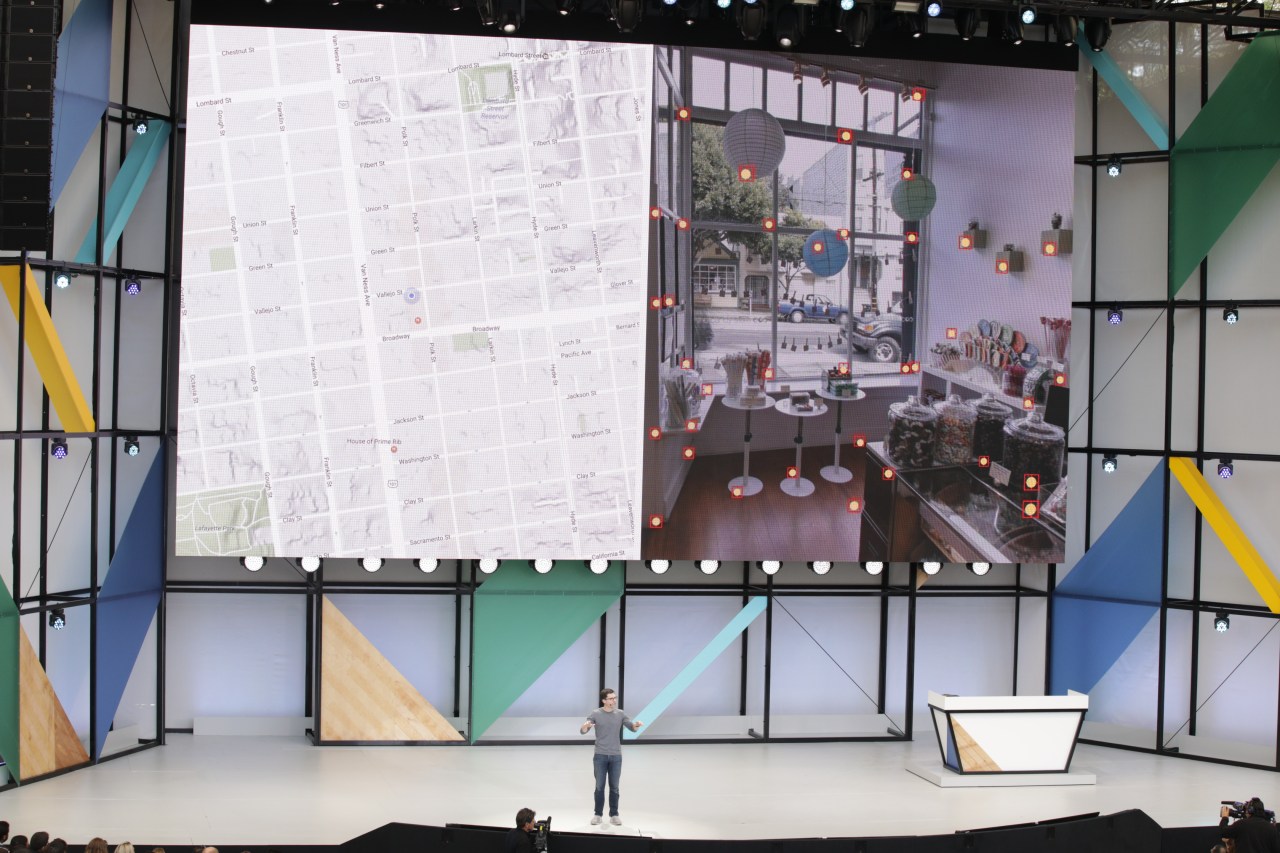
As we traverse the outside world equipped with GPS, wouldn’t it be a game-changer to possess similar navigational prowess indoors? The prospect of flawless indoor positioning isn’t merely a dream; it is materializing through Google’s innovative technology, known as Visual Positioning Service (VPS). Unveiled at the Google I/O conference, this advancement brings the promise of enhanced real-world interactions, particularly when paired with Augmented Reality (AR) capabilities.
The Essence of VPS
According to Clay Bavor, Google’s VP of Virtual Reality, AR emerges as remarkably effective when intricately integrated with real-world dimensions. This ideology has driven the creation of VPS, which aims to replace conventional GPS for indoor navigation. Utilizing Tango’s 3D sensing and computer vision technology, VPS can pinpoint precise locations based on visual characteristics embedded in the environment.
While GPS may guide you to the entrance of a building, VPS ushers you to the exact aisle in a store or even directly to the item you need. The practical utility of this service is immense, redefining how we shop, explore, and interact with our surroundings.
How VPS Operates
Imagine walking through a large DIY store, seeking a specific screwdriver. With VPS technology, your phone would leverage its camera to analyze distinct visual features of the store, effectively triangulating your position amidst the aisles. By comparing newly identified points with previously recognized ones, your phone can ensure you’re located accurately—down to a few centimeters. Here are key aspects of how this technology functions:
- Camera Utilization: Instead of satellites, VPS employs the camera on the device to identify and cross-reference features in the environment.
- Indoor Navigation: VPS provides turn-by-turn directions to your desired item rather than just navigating you to a general location.
- Real-World Interactions: When paired with AR, VPS can enhance everyday experiences, making them more immersive and interactive.
Potential Applications Beyond Shopping
VPS is not just confined to retail environments; its applications can extend across various sectors. Here are a few potential use cases:
- Healthcare: Imagine a medical facility where VPS can guide staff to specific departments or equipment, minimizing time spent searching.
- Cultural Institutions: Museums could use VPS to enhance visitor experiences, providing guided tours that highlight specific exhibits or artifacts.
- Support for Visually Impaired Individuals: As Bavor hinted, VPS can pave the way for audio-guided navigation services that significantly transform the mobility of visually impaired individuals.
The Road Ahead
While Google has not provided a definitive timeline for VPS’s public launch, it’s clear that the underlying technology is already operational. This step marks a significant advancement in how we comprehend and interact with our indoor environments. Furthermore, with the continuing evolution of Tango devices, we can anticipate a new generation of smartphones capable of supporting this cutting-edge technology.
Conclusion: The Future of Navigation
As VPS edges closer to mainstream adoption, the potential ramifications for our navigation paradigms—both indoors and out—remain profound. This technology could reshape industries, enhancing personal experiences while also contributing to broader accessibility initiatives.
At fxis.ai, we believe that such advancements are crucial for the future of AI, as they enable more comprehensive and effective solutions. Our team is continually exploring new methodologies to push the envelope in artificial intelligence, ensuring that our clients benefit from the latest technological innovations.
For more insights, updates, or to collaborate on AI development projects, stay connected with fxis.ai.