
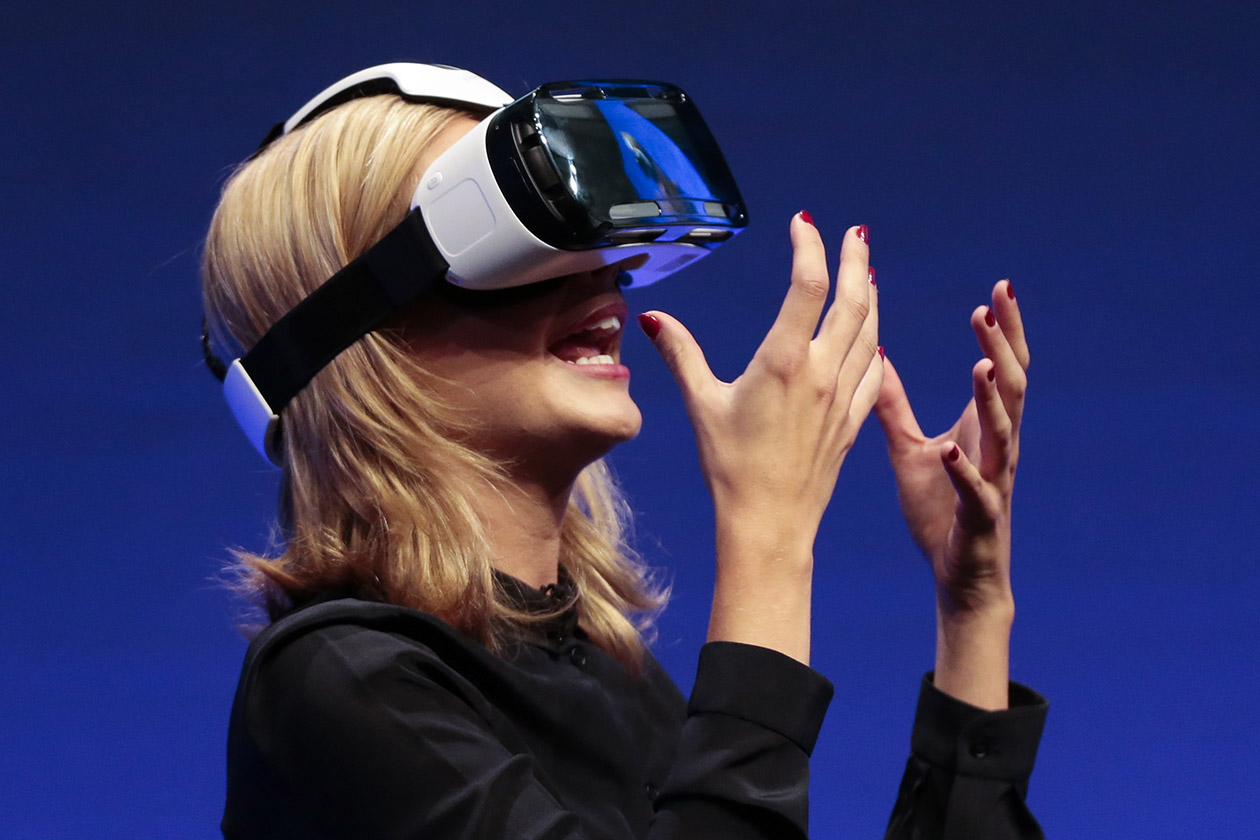
The world of virtual reality is evolving rapidly, with significant strides being made in the areas of interactivity and user experience. As we move towards a more web-centric model for VR applications, Google’s Omnitone project is at the forefront of revolutionizing how we experience sound in virtual environments. It harnesses the power of ambisonics to create immersive audio experiences that complement the visual aspect of virtual reality. Let’s delve deeper into this innovative approach and explore what it entails for the future of web-based VR.
Understanding Ambisonics: The Need for Spatial Sound
Traditional multi-channel surround sound systems have served their purpose in movies and gaming; however, they fall short in providing an immersive experience in a virtual environment where spatial orientation is key. Ambisonics fills this gap by simulating a full sphere of sound, allowing developers to place audio sources at specific coordinates in a 3D space. This elevates the experience for users, who can navigate with total spatial autonomy. Imagine walking through a virtual forest and hearing a bird chirp directly above you or the sound of rustling leaves behind you; that is the power of ambisonics.
Google’s Ingenious Implementation of Omnitone
To achieve a seamless integration of spatial audio into web browsers, Google’s Chrome Web Audio team devised a clever solution through Omnitone. The brilliance of this method lies in its simplicity, as it utilizes existing web technologies rather than inventing new standards. Here’s how it works:
- Location and Orientation Data: Omnitone leverages the positioning and orientation data from VR headset sensors. This means that as you move your head, the audio landscape shifts instantaneously in response. If you turn your head to the right, the ambisonic stream dynamically alters to maintain the spatial integrity of the sounds around you.
- Virtual Speaker Setup: The audio is processed through an eight-speaker virtual setup, creating a comprehensive sound field. This innovative configuration is then down-mixed into stereo format using a binaural renderer, resulting in an astonishingly realistic streaming experience.
Open Source and Future Developments
One of the most exciting aspects of Google’s Omnitone is its open-source nature. Developers and tech enthusiasts are encouraged to experiment and build upon this groundbreaking framework. The pitfalls faced during initial demos, which could deter non-developers, are expected to be ironed out as more robust implementations are rolled out across platforms. A potential collaboration with YouTube in the future hints at a broader application for entertainment and training.
Conclusion: A Sound Future for Web-based VR
The integration of advanced spatial audio through Google’s Omnitone represents a significant leap forward in web-based VR technology. As we embrace the potential of immersive environments, sound will play a pivotal role in shaping user experiences. By removing barriers and providing developers with the tools to create rich auditory experiences, Google is paving the way for more engaging and interactive VR applications. At fxis.ai, we believe that such advancements are crucial for the future of AI, as they enable more comprehensive and effective solutions. Our team is continually exploring new methodologies to push the envelope in artificial intelligence, ensuring that our clients benefit from the latest technological innovations.
For more insights, updates, or to collaborate on AI development projects, stay connected with fxis.ai.