
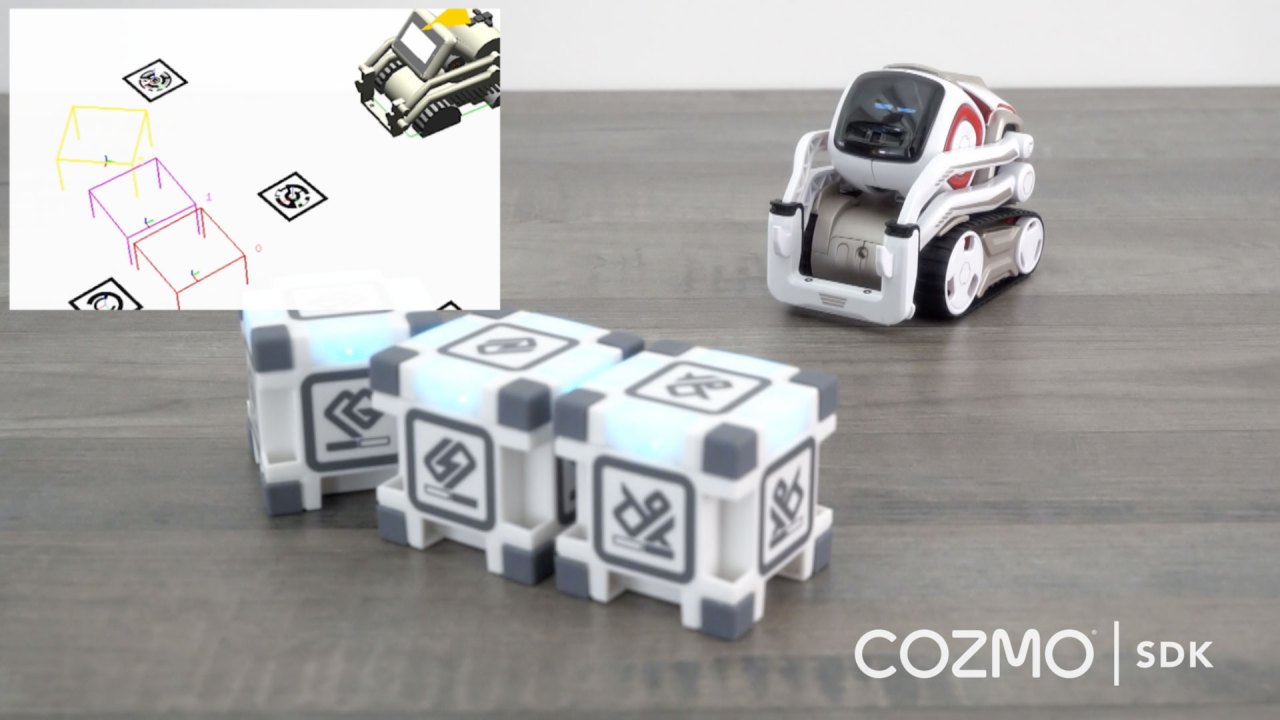
In a world increasingly driven by technology and innovation, robotics has captured the imagination of creators, educators, and developers alike. Anki, the company behind the adorable robot Cozmo, is giving a tremendous boost to this sector by unveiling a software development kit (SDK) that democratizes access to robotics programming. As we eagerly anticipate Cozmo’s debut this October, let’s dive deeper into what this exciting SDK rollout means for makers, educators, and the future of robotics.
The Tri-Phased Rollout of Cozmo’s SDK
Anki plans a strategic introduction of Cozmo’s SDK through a phased approach, catering to a wide range of users:
- Phase One: Launched this October, this phase primarily targets hackers, makers, and tech enthusiasts eager to explore the intricate workings of Cozmo.
- Phase Two: Aimed at K-12 educators and students, this phase will follow in late 2016 or early 2017, making robotics accessible for classroom learning and engagement.
- Phase Three: Geared toward commercial app developers, this phase will offer advanced features and capabilities to further enhance Cozmo’s functionalities.
Building a Bridge Between Users and Robotics
Anki’s president, Hanns Tappeiner, reflects on the journey of developing Cozmo over several years, emphasizing that the SDK was a natural progression following this endeavor. This toolkit is developed using Python, allowing users to tap into the million lines of code dedicated to real-time functions like facial recognition and path planning. But what does this mean for users?
- Empowering Coders: For seasoned developers, the SDK provides deep control and flexibility—an opportunity to craft tailored applications that leverage Cozmo’s sophisticated capabilities.
- Welcoming Newcomers: First-time coders can jump in with ease, using simplified commands that open the door to the fascinating world of robotics without the steep learning curve often associated with programming.
Educational Opportunities and Beyond
The second phase of the rollout is particularly exciting as it focuses on educators and students. Anki’s vision to integrate robotics within the K-12 curriculum could revolutionize how students learn about technology, programming, and problem-solving. Imagine a classroom where students interact with a friendly robot, programming it to respond to commands and execute tasks. This hands-on engagement not only fosters creativity but also encourages critical thinking, preparing the next generation for a tech-savvy world.
The Bigger Picture: Opening Up the Robotics Industry
Tappeiner believes that for industries to flourish, they must invite non-experts into the fold. The transformative era of apps began with the introduction of mobile platforms that welcomed a variety of creators—from artists to scientists—enhancing mobile development greatly. By allowing a wider audience to engage with Cozmo’s SDK, Anki hopes to spark a similar explosion in the realm of robotics, eventually leading to new ideas and applications that haven’t yet been conceived.
Conclusion: A Future of Endless Possibilities
The rollout of Cozmo’s SDK represents a significant step toward making robotics accessible to all. As Anki works on refining the toolkit with user feedback, the potential for innovation and creativity is boundless. With the right tools in hand, everyone—from seasoned developers to young students—can contribute to the ever-evolving landscape of robotics.
At fxis.ai, we believe that such advancements are crucial for the future of AI, as they enable more comprehensive and effective solutions. Our team is continually exploring new methodologies to push the envelope in artificial intelligence, ensuring that our clients benefit from the latest technological innovations.
For more insights, updates, or to collaborate on AI development projects, stay connected with fxis.ai.