
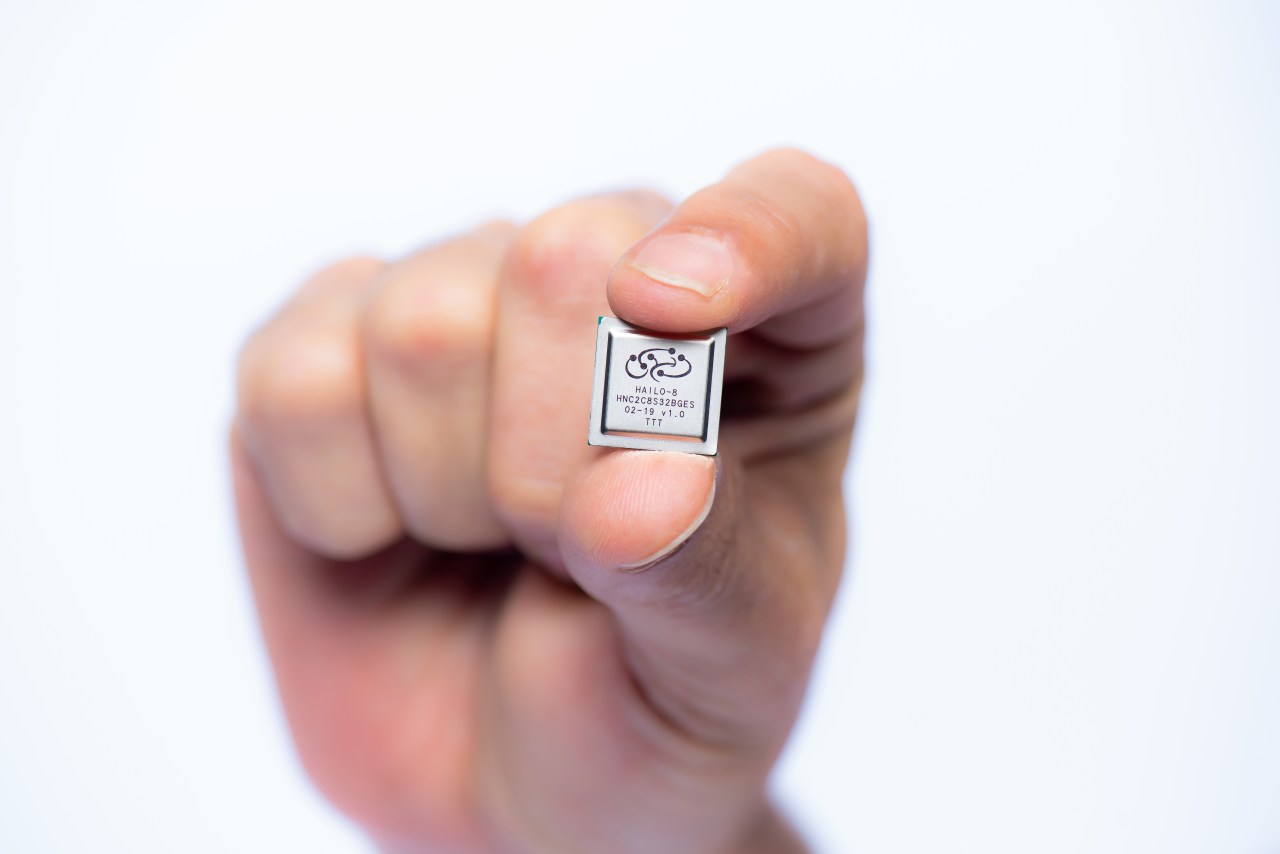
The wave of artificial intelligence is creeping ever closer to our daily lives, and the advancements in AI chip technology are leading the way. Recently, Hailo, a dynamic AI chipmaker based in Tel Aviv, made headlines with the launch of its innovative Hailo-8 deep learning chip. Promising significant improvements in performance while addressing power efficiency, Hailo is positioning itself at the forefront of the chip revolution, specifically tailored for edge applications. Let’s explore what makes the Hailo-8 a game-changer for industries like automotive and smart home technology.
The Power of the Hailo-8 Chip
At its core, the Hailo-8 chip is designed to deliver an impressive 26 tera operations per second (TOPS). This level of performance opens the door for a multitude of edge applications, elevating how we process and analyze data in real-time. Traditional processing has often favored cloud-centric models, but the Hailo-8 aims to shift that paradigm. Here’s why:
- More Performance, Less Power: Hailo claims that its chip outperforms competing processors, such as Nvidia’s Xavier AGX, particularly in specific benchmarks while consuming less power. This remarkable energy-efficient design is crucial for small Internet of Things (IoT) devices that require reliability without a heavy power draw.
- Simplified Architecture: By using neural network principles, the Hailo-8 provides a streamlined architecture that minimizes memory requirements. Consequently, this efficient use of resources allows devices to run deep learning applications at full scale without the need for expansive server infrastructure.
- Robust Capability: Hailo’s chip is not just for the automotive industry; its potential applications are multifaceted, with a keen eye on smart home products and others needing advanced AI capabilities for object detection and segmentation.
A Growing Demand in Edge Computing
The demand for AI chips at the edge has surged over the past few years, driven by advancements in machine learning and an ever-demanding consumer landscape. As our digital world leans towards decentralized processing, the focus has shifted from the cloud to edge devices. Here are some notable factors fueling this change:
- Reduced Latency: Edge computing allows for faster processing times by reducing the distance data must travel. This quick response time is paramount for applications such as autonomous driving.
- Cost Efficiency: With less reliance on cloud services, businesses can expect lower bandwidth costs, making edge computing a more economical choice.
- Reliability: Edge devices do not depend heavily on network connectivity, resulting in enhanced operational stability.
Looking Ahead: Hailo’s Vision and Market Potential
According to Orr Danon, the CEO of Hailo, the emergence of deep learning applications has prompted transformations across industries. The development of the Hailo-8 chip signifies a crucial step towards reinventing AI capabilities at the device level. The goal is not just to follow trends but to lead the baton in a revolution that makes AI accessible and effective on the edge.
Conclusion
Hailo’s unveiling of the Hailo-8 chip sets a promising stage for the future of AI technology. By prioritizing performance, efficiency, and versatility, Hailo is not just responding to current demands but shaping what’s possible in edge computing. As we navigate through this technological landscape, the implications of such advancements could redefine how industries operate and innovate.
At fxis.ai, we believe that such advancements are crucial for the future of AI, as they enable more comprehensive and effective solutions. Our team is continually exploring new methodologies to push the envelope in artificial intelligence, ensuring that our clients benefit from the latest technological innovations.
For more insights, updates, or to collaborate on AI development projects, stay connected with fxis.ai.