
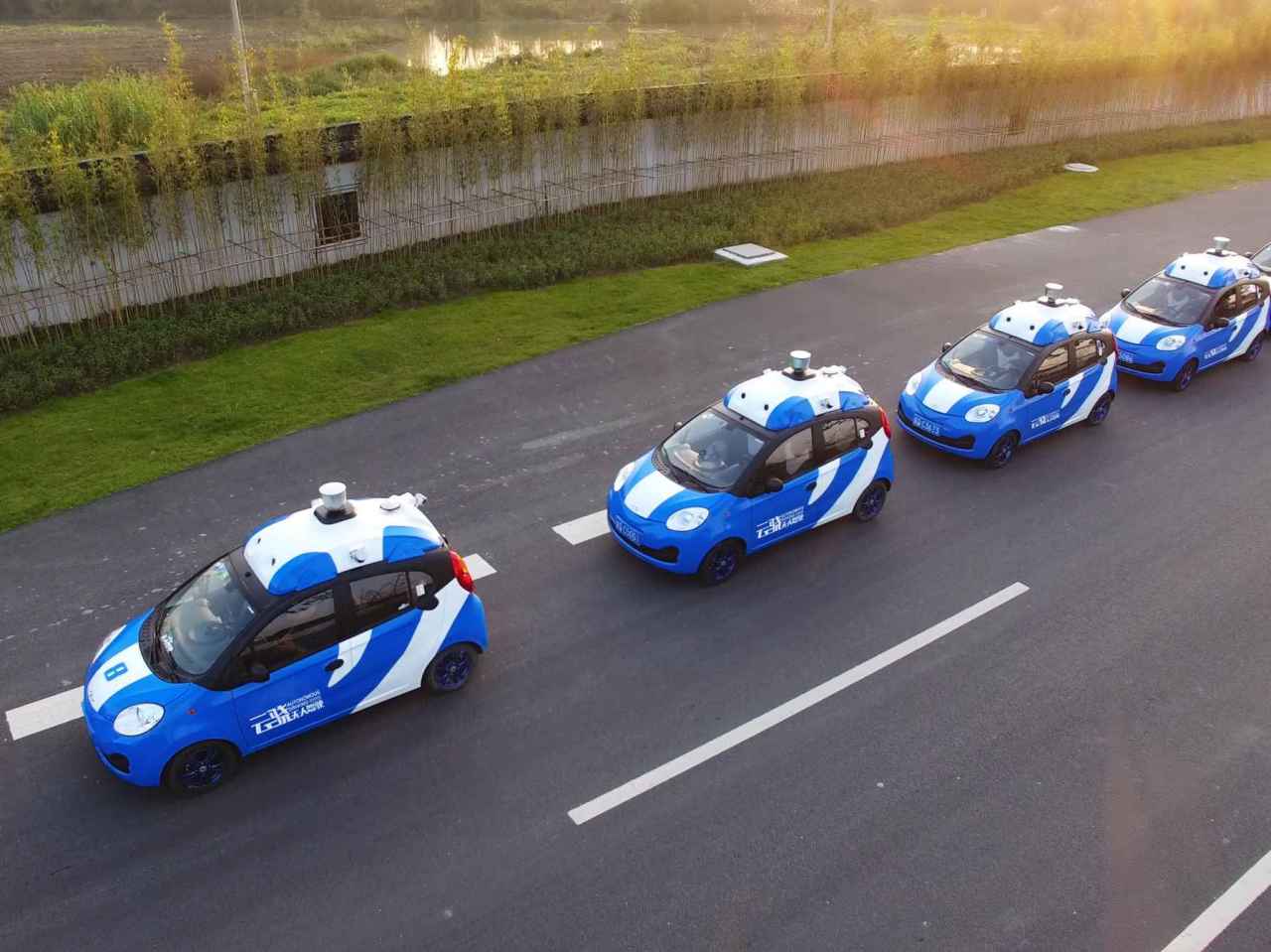
As artificial intelligence continues its relentless march forward, few advancements are as transformative as autonomous driving technology. Among the key players in this expansive field is Baidu, China’s tech titan, which has positioned its Apollo platform as a game-changer in the autonomous driving landscape. In the last few years, Apollo has emerged as an integral player, leading the charge to democratize autonomous technology, akin to how Android revolutionized mobile platforms.
The Partner Ecosystem: A Formula for Success
Baidu’s Apollo initiative boasts one of the largest and most diverse partner ecosystems in the autonomous driving arena. With over **50 partners**, including heavyweights like FAW Group, Chery, and Nvidia, Apollo stands at the intersection of innovation and collaboration. This amalgamation of automotive manufacturers, technology companies, and academic institutions signifies a strategic move to unify various resources and expertise.
The partnerships don’t just stop at Chinese car manufacturers. Influential players like Continental, Bosch, and Microsoft Cloud are also on board, each bringing unique technological capabilities to the table. The involvement of five prominent Chinese universities and local government institutions underscores the initiative’s commitment to fostering research and development in the field. It’s a compelling example of collective resource mobilization that could fast-track advancements in autonomous vehicle technology.
The Open-Source Advantage
Baidu’s COO Qi Lu emphasized that Apollo aims to be “more open and powerful” than its counterparts. This ethos translates into an open-source approach, providing developers with tools that range from APIs to reference hardware. The intention is clear: empower a diverse range of innovators to contribute to and create autonomous driving solutions tailored to specialized needs.
Consider the insightful example of AutonomouStuff, a start-up that rapidly transformed two vehicles into self-driving models using Apollo’s initial software release in just three days. Such impressive outcomes illustrate the versatile nature of Apollo and its potential to accelerate product development. Developers can progressively access driving technologies that will enhance the safety and efficiency of autonomous systems, which could ultimately transform urban mobility.
A Vision for the Future
The roadmap for Apollo is ambitious. Baidu envisions a platform that not only accommodates fully autonomous driving capabilities for urban roads and highways by **2020** but also continually iterates and evolves over time. By fostering a collaborative ecosystem, Baidu is looking to lead the charge towards creating safer and more efficient transportation options for a rapidly urbanizing world.
Furthermore, the various partnership configurations in the autonomous driving space showcase a dynamic trend of collaboration. With so many stakeholders involved, the industry landscape resembles a game of musical chairs—where companies continuously seek alliances to carve out their niche amid a rapidly evolving technological environment.
Conclusion: The Implications of Baidu’s Strategy
As the autonomous driving sector heads into uncharted territory, Baidu’s Apollo platform is setting itself apart as a beacon of collaboration and innovation. By uniting industry leaders, tech innovators, and academia, Baidu is not only promoting a collective growth model but also creating a robust foundation for future endeavors in AI-driven transportation.
At fxis.ai, we believe that such advancements are crucial for the future of AI, as they enable more comprehensive and effective solutions. Our team is continually exploring new methodologies to push the envelope in artificial intelligence, ensuring that our clients benefit from the latest technological innovations. For more insights, updates, or to collaborate on AI development projects, stay connected with fxis.ai.