
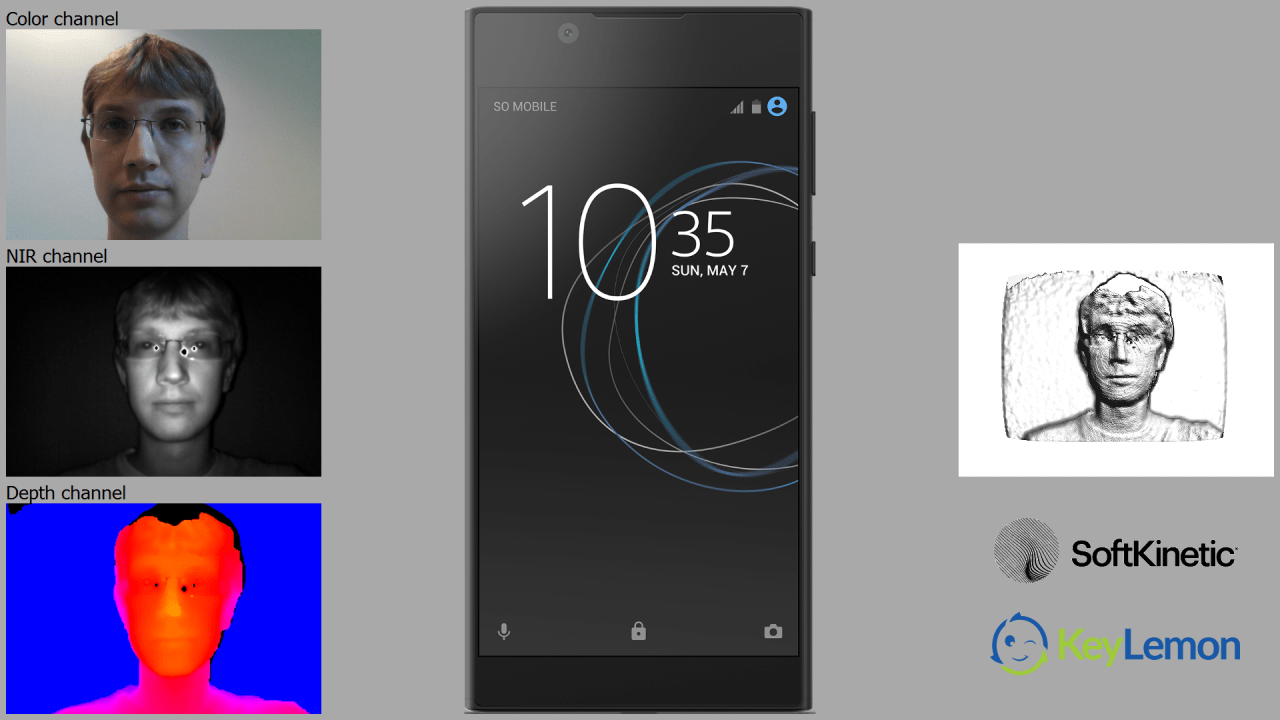
As technology continues its relentless march forward, the possibilities for our mobile devices only grow. The incorporation of advanced biometric security has long been a key topic in the smartphone industry, and now, exciting developments surrounding 3D facial recognition are emerging—promising to reshape how we think about authentication and security. Let’s dive deeper into what this means for users and tech enthusiasts alike.
From Rumor to Reality
The buzz around 3D depth sensors in smartphones, particularly front-facing cameras, is making waves in tech forums and news outlets. Originating from whispers that giants like Apple are prepping their flagship devices with enhanced sensor technology, this future seems more tangible than ever. The acquisition of 3D sensor technology like PrimeSense has set the stage for a dramatic shift in how facial recognition will be utilized—moving beyond the standard 2D framework we have come to know.
What’s the Benefit of 3D Facial Recognition?
3D facial recognition isn’t merely an upgrade; it’s a profound overhaul of biometric security. Traditional 2D facial recognition has its flaws—it can be tricked with a simple photograph, thus compromising security. However, the introduction of 3D sensing technology like those demonstrated by companies such as SoftKinetic (a subsidiary of Sony) takes this to new heights. Some benefits include:
- Enhanced Security: 3D depth sensors provide a more robust form of authentication that is challenging to spoof.
- Greater Flexibility: Non-frontal faces can be authenticated, accommodating a wider range of user orientations.
- Hands-free Interaction: Imagine unlocking your device simply by being in view of the camera while your hands are engaged elsewhere.
Privacy Considerations
As with any technological advancement, the implications for privacy must be carefully considered. While biometric systems can offer increased security, users concerned about surveillance may be hesitant to adopt a system that actively scans their face. For those who may prefer to shield their cameras when not in use, a mandatory facial recognition system could feel invasive. This aspect of implementation could heavily impact user adoption rates.
The Future of Smartphone Cameras
Given Sony’s prominent role as an image sensor supplier, the push towards widespread use of these 3D sensors in smartphones seems likely. As manufacturers integrate this technology, users can anticipate features that not only enhance security but also improve user experience. The shift could propel innovations in augmented reality and additional functionalities that leverage the depth mapping capabilities inherent in 3D sensors.
Conclusion: A Quantum Leap in Biometric Security
As we look ahead, it’s clear that the road to 3D facial biometrics in smartphones is not only paved with potential security enhancements but also redefinitions of how we interact with our devices. This technology offers a glimpse into a future where our smartphones can do more than just recognize our faces—they can understand them, adapt to our needs, and keep our data secure. For more insights, updates, or to collaborate on AI development projects, stay connected with fxis.ai.
At fxis.ai, we believe that such advancements are crucial for the future of AI, as they enable more comprehensive and effective solutions. Our team is continually exploring new methodologies to push the envelope in artificial intelligence, ensuring that our clients benefit from the latest technological innovations.