
Have you ever marveled at how machines can understand and translate languages? Welcome to the world of NLLB-200! This machine translation model is a powerful ally, especially for low-resource languages. This article will walk you through how to harness the capabilities of NLLB-200, as well as troubleshooting tips to optimize your experience.
Getting Started with NLLB-200
The NLLB-200 model, developed for research in machine translation, allows you to translate single sentences among 200 diverse languages. Below are the steps to get you started:
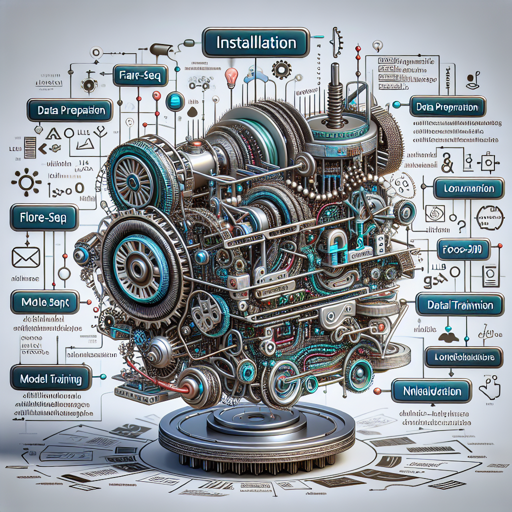
- Installation: Ensure that you have the Fairseq code repository. You can get it from GitHub.
- Data Preparation: Use the Flores-200 dataset for evaluation. Prepare your data with SentencePiece for optimal results.
- Model Training: Implement the training code available in the repository. Adjust parameters as needed based on your requirements for high or low resource languages.
- Testing: Evaluate your model using metrics like BLEU, spBLEU, and chrF++ to measure accuracy and performance.
Decoding the NLLB-200 Code: An Analogy
Imagine NLLB-200 as a multilingual librarian in a gigantic library. This librarian can help you pull information (i.e., translations) from its extensive collection of books (languages). When you ask for a translation, the librarian must first understand the context of your request (input data) and then search through the correct book (language model) to fetch the right information for you. Just like a librarian meticulously organizes and retrieves books, NLLB-200 manages language rules and nuances to provide you with accurate translations.
Troubleshooting Your NLLB-200 Experience
Working with a robust machine translation model can sometimes lead to hiccups. Here are some common issues and how to solve them:
- Low Quality Translations: Ensure that your input does not exceed 512 tokens, as longer inputs can degrade translation quality.
- Inaccurate Domain-Specific Translations: NLLB-200 is not designed for specific fields like medical or legal texts. Stick to general domain text for reliable results.
- Data Privacy Concerns: Even with extensive cleaning, be cautious about sensitive data – personally identifiable information might still slip through.
- Calibration Issues: If your model is producing unexpected errors, revisit your data selection and preprocessing steps for alignment.
For more insights, updates, or to collaborate on AI development projects, stay connected with fxis.ai.
The Ethical Considerations of NLLB-200
With great power comes great responsibility. When using NLLB-200, it’s essential to remain aware of its ethical implications, especially in low-resource languages. Though it can enhance information access, it poses risks such as misinformation if misused. Stay vigilant and considerate about how translations are utilized in the real world.
Conclusion
In summary, NLLB-200 is a versatile tool for enhancing communication across languages, especially for those less represented. Its application is vast, but it’s important to remember its limitations and ethical considerations while using it. Experiment with different configurations and enjoy the world of multilingual translation!
At fxis.ai, we believe that such advancements are crucial for the future of AI, as they enable more comprehensive and effective solutions. Our team is continually exploring new methodologies to push the envelope in artificial intelligence, ensuring that our clients benefit from the latest technological innovations.