
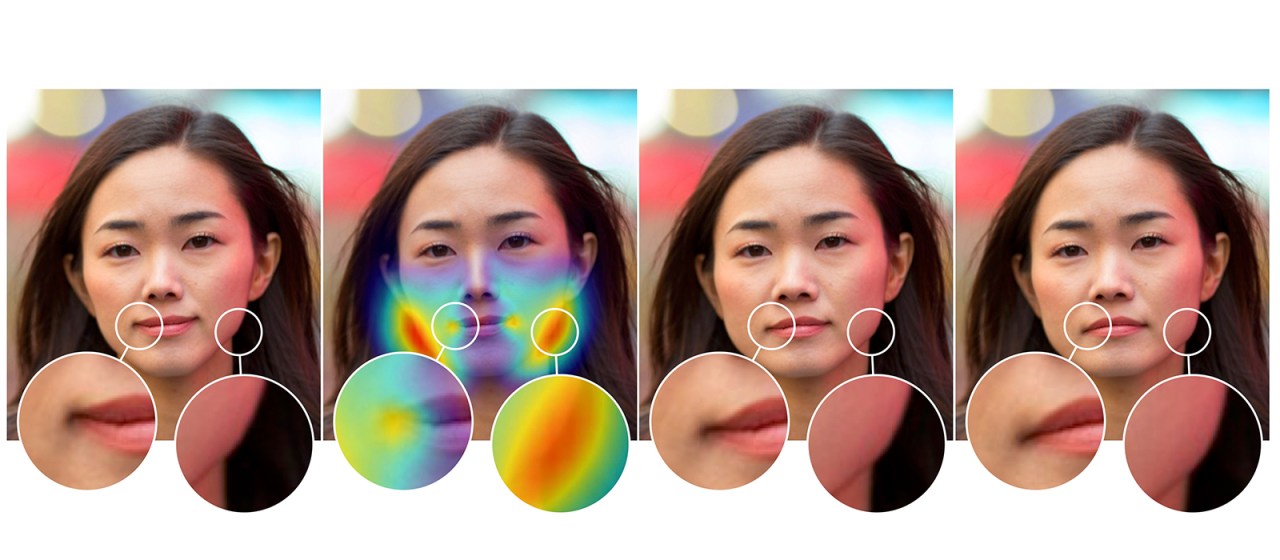
In an era where digital manipulation has become a norm, particularly in the realm of photography, discerning reality from illusion is pivotal. Collaborations between academia and industry have birthed groundbreaking technologies aimed at detecting such manipulations. A recent venture involving researchers from Berkeley and Adobe has led to the development of an innovative neural network tailored specifically for identifying Photoshopped faces. This blog delves into the details of this fascinating project and explores its implications.
The Tool Behind the Detection
The primary focus of this tool is to identify adjustments made through Adobe Photoshop’s “Face Aware Liquify” feature. This particular functionality has allowed users to effortlessly modify various facial attributes, from enhancing smiles to altering eye positions. While this technology cannot yet serve as a universal detection solution, it marks significant progress in the field of digital forensics.
How the Neural Network Learns
At the heart of this detection tool is machine learning, specifically a trained neural network. The researchers initiated their experiment by collecting a diverse range of portrait photographs. Subsequently, they applied subtle and overt manipulations to these images, creating warped versions. By feeding both original and altered images into the machine learning model, the researchers aimed for it to identify the nuances that distinguish a genuine photo from a manipulated one.
- Overall facial adjustments, such as moving eyes or enlarging smiles.
- Subtle changes to features like narrowed cheeks or noses.
The results were astounding; the neural network demonstrated the ability to detect manipulated images with an impressive 99% accuracy, far outpacing human detection capabilities that hovered slightly above chance.
The Science Behind Recognition
The neural network’s effectiveness stems from its ability to identify minute patterns in optical flow—patterns often imperceptible to the human eye. Interestingly, it can also suggest ways to ‘undo’ these manipulations without having prior access to the original photograph. This capability showcases the potential of AI to not only identify alterations but also to provide solutions for addressing them.
Challenges and Future Prospects
While this technology represents a leap towards enhancing digital media integrity, it is vital to recognize its limitations. The current model addresses only a specific type of manipulation within Photoshop, which means that it cannot effectively combat the broader spectrum of digital alterations prevalent today. Moreover, as Richard Zhang of Adobe states, “We live in a world where it’s becoming harder to trust the digital information we consume.” This sentiment emphasizes the necessity of ongoing research in digital forensics to keep pace with evolving manipulation techniques.
Concluding Thoughts
The intersection of technology and ethics comes vividly alive in this exploration of AI’s role in detecting digital alterations. As we increasingly rely on visual media in our lives, understanding and trusting what we see becomes essential. The collaboration between Berkeley and Adobe illustrates how innovative thinking can lead to potent solutions in digital verification. Although limited to specific manipulations for now, this neural network is undoubtedly a stepping stone toward more expansive applications in digital forensics.
At fxis.ai, we believe that such advancements are crucial for the future of AI, as they enable more comprehensive and effective solutions. Our team is continually exploring new methodologies to push the envelope in artificial intelligence, ensuring that our clients benefit from the latest technological innovations.
For more insights, updates, or to collaborate on AI development projects, stay connected with fxis.ai.