
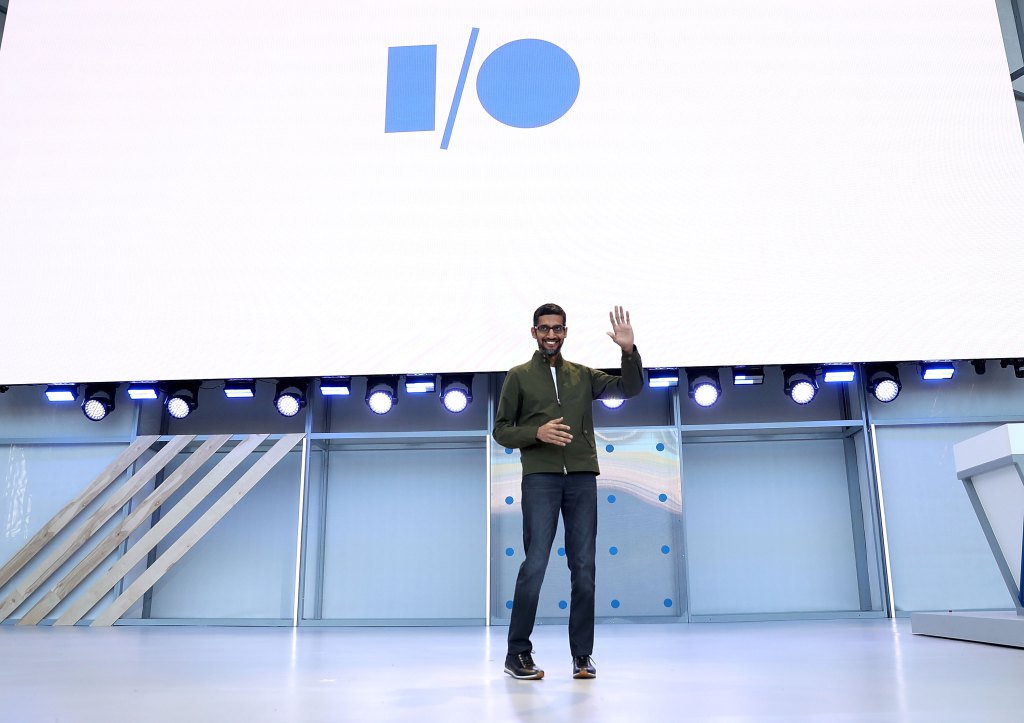
In the bustling tech landscape, Google I/O has always been a prominent platform for unveiling groundbreaking innovations. During its 2018 conference held at the Shoreline Amphitheater in Mountain View, California, Google showcased a series of significant announcements that underscored its commitment to artificial intelligence (AI). This blog post will dissect the pivotal moments from day one of the keynote and explore how these developments could shape our technological future.
Google AI Takes Center Stage
In a bold move, Google rebranded its research division to Google AI, signaling an intensified focus on advancements in computer vision, natural language processing, and neural networks. This rebranding establishes a foundation for Google not only to refine its products but also to lead in the competitive AI space. As AI increasingly permeates everyday technology, Google’s commitment is crucial for ensuring that these innovations serve meaningful purposes in our lives.
A Conversational Revolution with Google Assistant
Google Assistant saw a remarkable update with the introduction of “continued conversation.” This feature allows users to engage with the Assistant more conversationally, eliminating the need to repeat the wake phrase multiple times. Instead, a single prompt suffices for a flowing dialogue.
- But why does this matter?
Natural conversations involve a back-and-forth exchange, and breaking that flow with repetitive commands felt awkward. Now, Google is positioning itself as a frontrunner in voice-activated technology by ensuring interactions feel less robotic and more human-like.
AI-Powered Enhancements in Google Photos
Google Photos, already a powerful tool for image editing and archiving, is set to receive advanced AI features. Innovations such as black and white photo colorization and brightness adjustments will allow users to enhance their photos effortlessly. These enhancements not only improve user experience but also enable Google to gather more data, refining its AI algorithms over time and ultimately enhancing visual search capabilities.
The Rise of Smart Displays
The introduction of Smart Displays represents a significant step in integrating visual interaction with AI technology. Set to launch in July, these devices will bring Google Assistant and YouTube together on one screen. This convergence not only enriches user engagement but also aligns perfectly with the growing trend of voice-activated home assistant devices.
- Why is this important?
Smart displays cater to users’ evolving preferences, offering both audio and visual feedback. This duality of communication enhances user experience, keeping them engaged in the Google ecosystem.
Reimagining Navigation with Google Maps
In a further integration of AI, Google Assistant is set to be embedded into Google Maps. This feature aims to provide personalized recommendations and streamlined navigation based on user preferences and location data. With capabilities extending to augmented reality, users can rely on this tool for a more immersive navigation experience.
- What does it mean for users?
Leveraging visual recognition for real-time mapping and recommendations solidifies Google Maps as an indispensable tool for daily navigation.
The Third Generation of Tensor Processing Units
Google unveiled its latest advancement in AI hardware, the Tensor Processing Unit (TPU) 3.0, boasting performance metrics that are 8x more powerful than its predecessor. This leap speaks volumes about Google’s commitment to building a robust cloud computing platform.
- Competitive Edge:
Creating custom AI hardware not only enhances Google’s services but also enables developers to significantly reduce processing time, encouraging wider adoption of Google Cloud Platform.
Revamped Google News with Machine Learning
In the midst of a tumultuous climate, Google introduced an AI-powered redesign of its News platform. With new features such as newscasts and full coverage, users can better grasp the narratives shaping their world, positioning Google as a trustworthy source amidst increasing scrutiny of social media algorithms.
Empowering Developers with ML Kit
The unveiling of ML Kit, a software development kit that facilitates the integration of machine learning models into iOS and Android apps, presents a game-changing opportunity for developers. By simplifying machine learning implementation, Google is lowering the barriers for innovation.
- A Future of Accessibility:
With tools like ML Kit, more developers can explore AI potentials, ranging from image recognition to speech detection, thus fostering a broader ecosystem of innovation.
Conclusion
Google I/O 2018 heralded a transformative era as the tech giant doubled down on AI across its ecosystem. The updates made during this event not only enhance user experience but also remind us of the vast possibilities of technology driven by artificial intelligence. With innovations ranging from conversation-enhanced assistants to advanced machine learning tools, Google is positioning itself at the helm of an AI-driven future.
At fxis.ai, we believe that such advancements are crucial for the future of AI, as they enable more comprehensive and effective solutions. Our team is continually exploring new methodologies to push the envelope in artificial intelligence, ensuring that our clients benefit from the latest technological innovations. For more insights, updates, or to collaborate on AI development projects, stay connected with fxis.ai.