
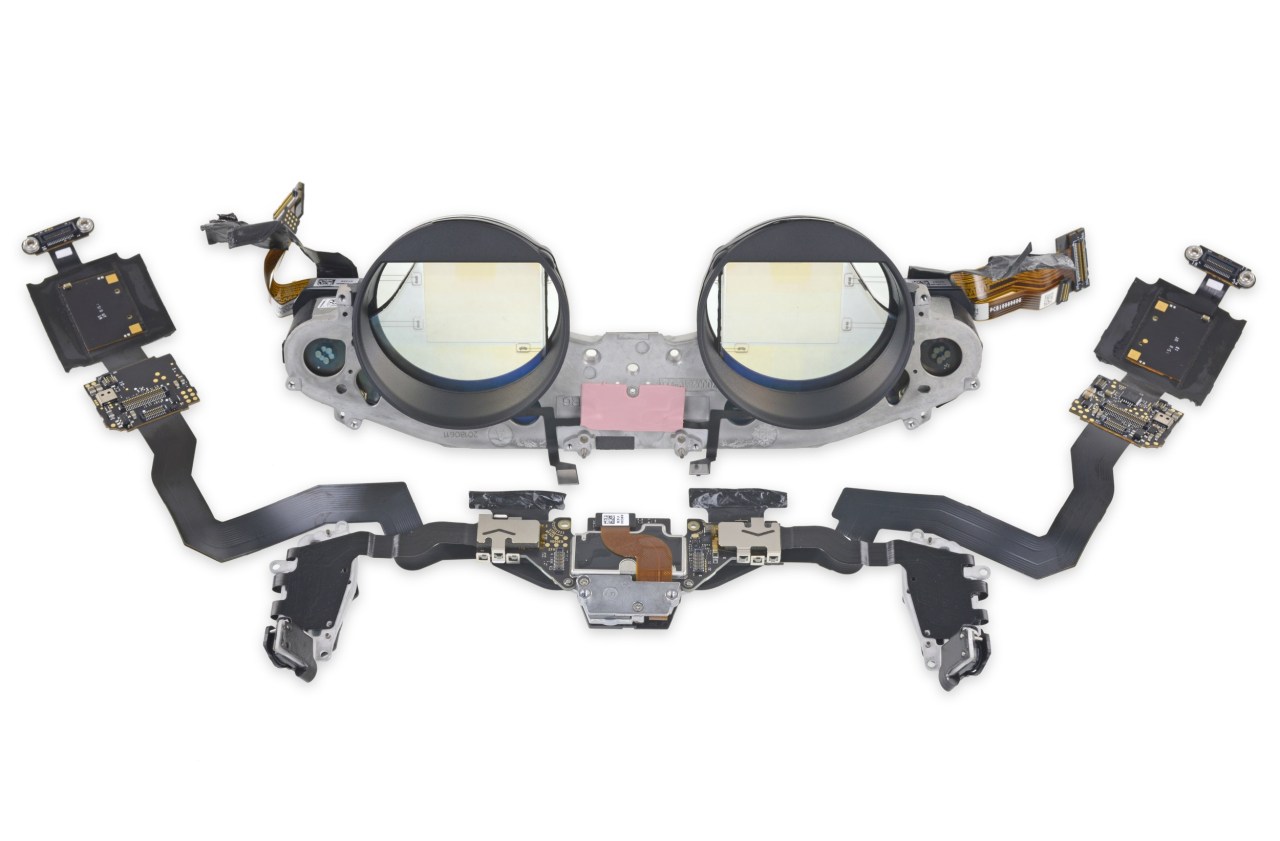
The world of augmented reality (AR) saw a dramatic stir with the unveiling of the Magic Leap One headset. In 2018, this cutting-edge device made headlines not just for its promise of revolutionary AR experiences but also for the complex technology nestled within its frame. Recently, in a detailed teardown by the tech enthusiasts at iFixit, we got an unprecedented look at the inner workings of this device, revealing both its advanced potential and areas for improvement. Join us as we delve deeper into what makes the Magic Leap One both a marvel of modern technology and a work in progress.
A Peek Inside the Device
The teardown of the Magic Leap One headset allows us to appreciate the intricate engineering that powers its augmented reality capabilities. The device is equipped with a sophisticated optical assembly that, while affectionately called “surprisingly ugly” by critics, plays a crucial role in delivering seamless AR experiences. The optical system utilizes a unique stack of waveguides. Here’s how they add depth and clarity to the visual experience:
- Waveguides Composition: The waveguide assembly consists of six distinct layers—each channeling one color in a red, blue, and green spectrum. This layered structure allows for finer control over image size and perceived distance, thereby enhancing user experience.
- Light Manipulation: These waveguides cleverly direct light to form images at various angles, effectively blending virtual objects with the real world. However, users and developers alike have noted that the current execution feels somewhat raw and unfinished.
Developer-Focused Features
As a device primarily aimed at developers, the Magic Leap One presents a unique platform to explore the AR landscape. However, it comes with a hefty price tag, costing more than double that of some of its competitors, such as the iPhone X. One of the standout features of the headset is its eye-tracking system:
- Eye-Tracking Limitations: Positioned at the bottom of the headset, the eye-tracking setup may currently be insufficient for performing when the gaze shifts upwards. Future iterations are likely to integrate a more sophisticated tracking system to enhance user control.
- Motion Tracking: The gadget utilizes a motion-tracking setup that employs magnetic field-based technology—a nice nod to earlier motion control but perhaps not the cutting-edge experience users may expect.
The Path Ahead for Magic Leap
While the current hardware appears raw, it is essential not to judge the Magic Leap One solely based on its initial prototype. Instead, we should consider the company’s vision and the extensive funding it has received over the past few years to push this technology forward. The potential for future refinements and enhancements seems promising, especially if they manage to secure a balance between sophistication and consumer affordability.
As the world eagerly awaits the next iteration of augmented reality headsets, it is clear that Magic Leap has laid a notable foundation. Their commitment to innovative technology, despite some unpolished elements, suggests that the journey towards a practical consumer device is just beginning.
Conclusion: A Work in Progress
In closing, the teardown of the Magic Leap One sheds light on both the impressive and the imperfect aspects of this unique AR headset. While it may not be ready for everyday consumer use, it showcases the potential for groundbreaking advancements in augmented reality technology. The next few years will be critical for Magic Leap as they strive to refine their hardware and software, ultimately benefiting consumers with more capable and user-friendly devices.
At fxis.ai, we believe that such advancements are crucial for the future of AI, as they enable more comprehensive and effective solutions. Our team is continually exploring new methodologies to push the envelope in artificial intelligence, ensuring that our clients benefit from the latest technological innovations. For more insights, updates, or to collaborate on AI development projects, stay connected with fxis.ai.