
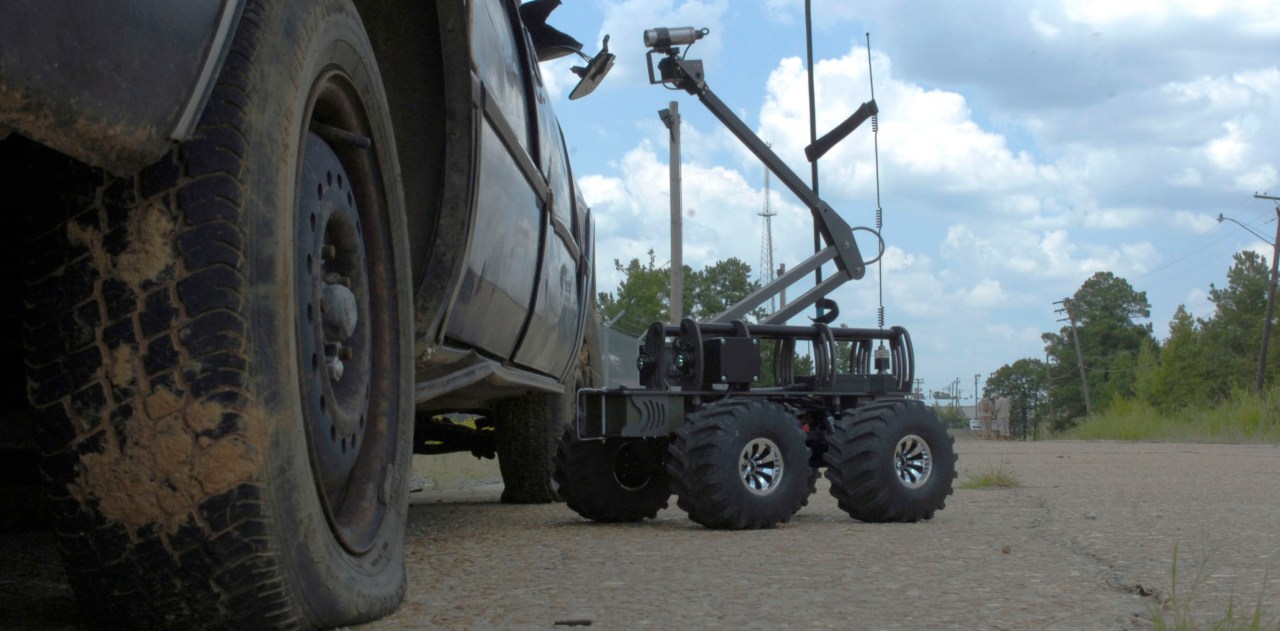
In an age where technology continually reshapes societal norms and practices, the recent use of a bomb-defusing robot by the Dallas police to neutralize a shooting suspect has ignited critical discussions surrounding ethics, safety, and the future of law enforcement. This incident, which tragically resulted in the death of Micah Xavier Johnson following an attack that left five officers dead, represents a pivotal moment in the law enforcement landscape.
The Context of the Dallas Incident
On July 7, 2016, a peaceful protest turned into chaos when gunfire erupted, targeting police officers responding to community concerns over previous high-profile deaths of Black men at the hands of law enforcement. With officers’ lives at risk, the Dallas Police Department made a controversial decision to employ a robot, traditionally used for bomb disposal, as a means to eliminate the threat posed by Johnson.
A Glimpse into Precedents
This event may seem unprecedented, yet it is not without historical context. Law enforcement agencies have long experimented with robots in various capacities. Whether deploying chemical munitions or attempting to negotiate, the introduction of robotic technology has often been met with both fascination and criticism.
Past Applications and Controversies
- Non-Lethal Measures: Prior instances, such as the 2014 rescue operation involving a suspect with schizophrenia in Albuquerque, illustrate the tactical use of bomb robots. These robots deployed non-lethal measures, indicating a prior preference for conflict resolution without taking lives.
- Accidents Waiting to Happen: The unfortunate Tennessee incident, where a bomb robot inadvertently set fire to a mobile home while trying to gain control of a situation, raises concerns about the reliability and safety of utilizing such technology in domestic scenarios.
- Military Origins: The evolution of these robots can be traced back to military applications, where they were designed for high-stakes operations in combat zones. Their transition to civilian law enforcement emphasizes the blurred boundaries between military and police functions.
Ethical Considerations in the Age of AI
The deployment of a potentially lethal robot raises several ethical questions. What measures should be enacted to govern the use of such technology? Should there be regulations or protocols to ensure that robotic options prioritize non-lethal means first? The answers to these questions could shape the future of policing.
Public Perception and Consequences
- Trust and Accountability: The community’s trust in law enforcement could be jeopardized if robotic technology is perceived as a tool for exerting lethal force without appropriate checks and balances.
- Future Usage Scenarios: If law enforcement agencies begin utilizing robots as a first response in potential conflict situations, the implications could lead to a fundamental rethinking of policing paradigms.
Conclusion
The advancements in robotic technology present both opportunities and challenges for law enforcement agencies. The Dallas incident serves as a case study in a rapidly changing landscape where rapid response mechanisms face scrutiny and ethical dilemma. As society grapples with the implications of mechanized decision-making, it is vital to establish a framework that emphasizes safety, accountability, and the preservation of human life.
At [fxis.ai](https://fxis.ai/edu), we believe that such advancements are crucial for the future of AI, as they enable more comprehensive and effective solutions. Our team is continually exploring new methodologies to push the envelope in artificial intelligence, ensuring that our clients benefit from the latest technological innovations.
For more insights, updates, or to collaborate on AI development projects, stay connected with [fxis.ai](https://fxis.ai/edu).