
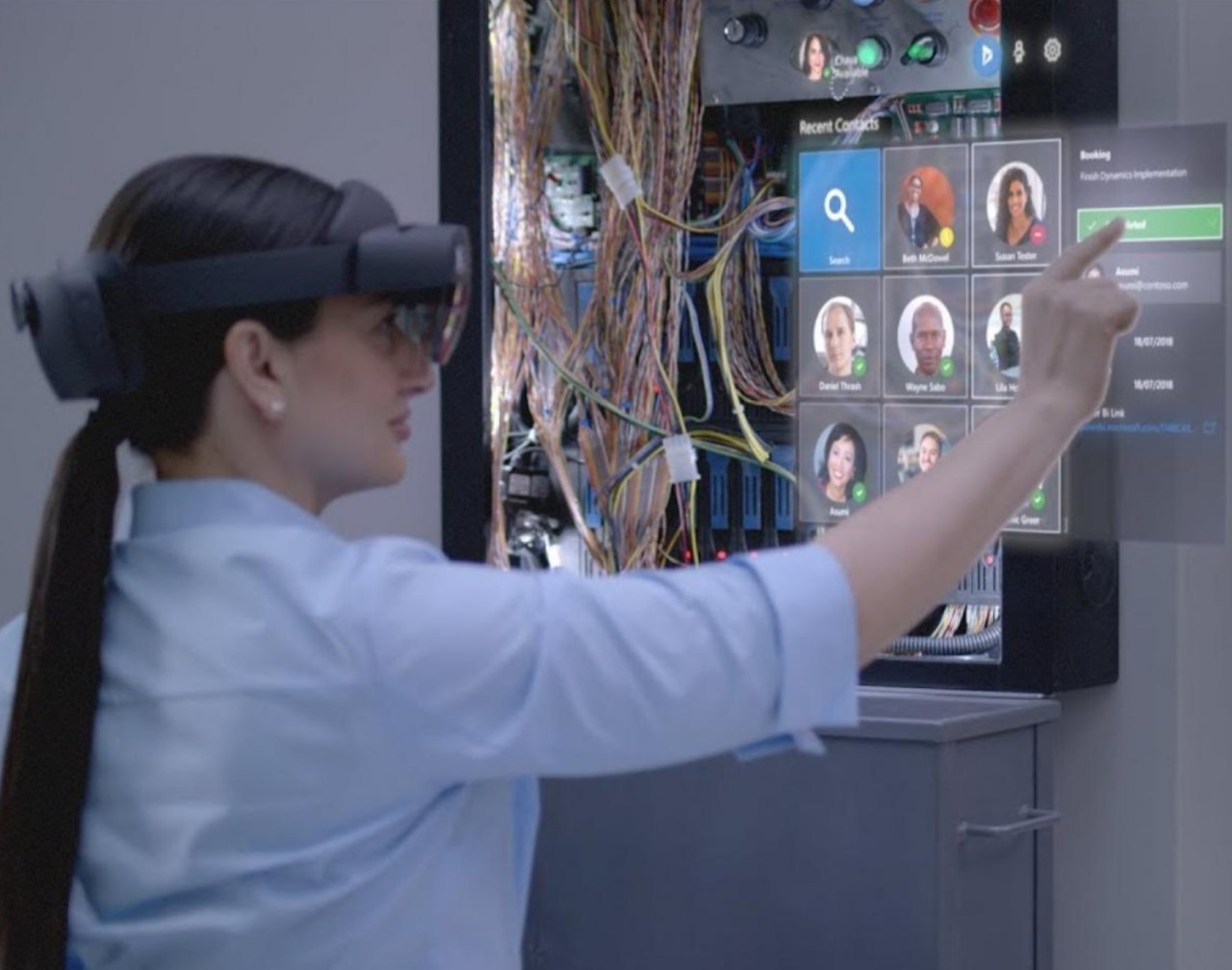
The stage was set in Barcelona, where anticipation met reality as Microsoft showcased its latest iteration of the HoloLens mixed reality headset. The buzz leading up to the event was substantially heightened, particularly with the leak of intriguing images just hours before the big reveal. What does this new headset bring to the table, and how does it aim to reshape our interaction with augmented reality (AR)?
The Teasing Reveal: What We Learned from the Leaked Images
Thanks to the early sneak peek from a Twitter user known as WalkingCat, we caught a glimpse of what was in store. The leaked images presented a device that seems to prioritize user comfort, boasting enhanced padding for prolonged use. In an industry where user experience can make or break a product, this is an important step forward. Moreover, the device retains a similar camera and sensor layout to that of its predecessor, hinting at a continuity of design but also sparking curiosity about what has been subtly improved beneath the surface.
A New Gesture Experience for Enhanced Interactivity
One of the standout features revealed in the images is the introduction of gesture-based navigation, particularly the ability to tap menu items. This marks a significant evolution in user interface functionality since the original HoloLens primarily relied on the tap and bloom gestures, which, while functional, were not the most intuitive or fast. The move towards more fluid gestures promises to elevate the user experience, making it more seamless and engaging for users across various applications.
The Burning Question: Improved Field of View
While improvements in comfort and interactivity are substantial, one critical aspect that ardent users are keenly interested in is the field of view (FOV). Previous iterations had their challenges in providing an immersive AR experience due to limited FOV, which could sometimes leave users wanting more. The anticipation swelled around whether Microsoft would address this in the new version. Will we finally see that expansive FOV that was teased in earlier prototypes? Based on user feedback, this enhancement could significantly affect the experience of using AR in practical scenarios.
Anticipating the Impact on Industries
The innovations presented by the new HoloLens have implications that are broad and impactful across numerous sectors. From medical applications enabling precise surgical overlays to educational environments fostering interactive learning, mixed reality is poised to revolutionize how information is conveyed and experienced. Imagine doctors using the HoloLens to visualize complex anatomy right in front of them or students exploring 3D models in an interactive classroom.
Conclusion: Embracing the Mixed Reality Revolution
This latest version of HoloLens is more than just an upgrade; it symbolizes Microsoft’s ongoing commitment to leading the charge in the mixed reality arena. With enhancements in comfort, user experience through gesture control, and the hope of a broader field of view, the new HoloLens could potentially redefine how we perceive and engage with the digital world. As we reflect on the advancements and their implications, it’s clear that the future of augmented reality is bright, and we’re just beginning to scratch the surface of its potential.
At **[fxis.ai](https://fxis.ai/edu)**, we believe that such advancements are crucial for the future of AI, as they enable more comprehensive and effective solutions. Our team is continually exploring new methodologies to push the envelope in artificial intelligence, ensuring that our clients benefit from the latest technological innovations. For more insights, updates, or to collaborate on AI development projects, stay connected with **[fxis.ai](https://fxis.ai/edu)**.