
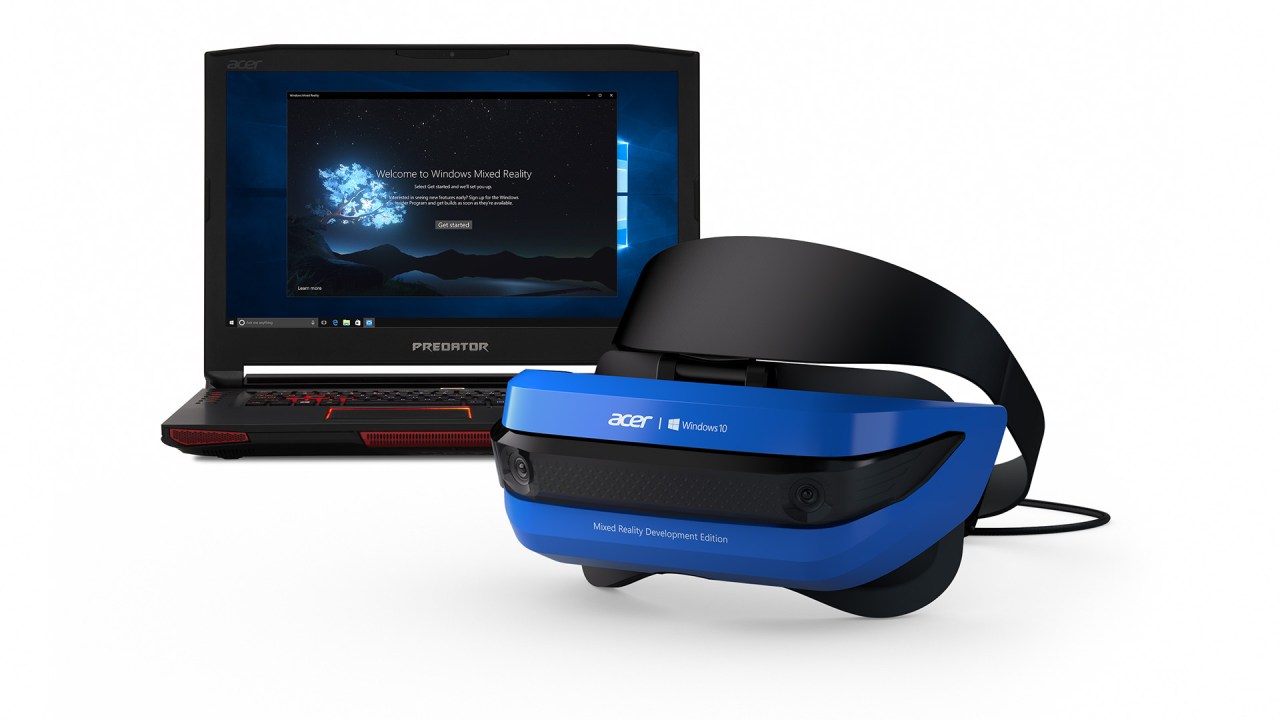
In 2017, Microsoft made significant strides in the realm of virtuality with the introduction of the Windows 10 Mixed Reality Developer Kits. This bold move not only reshaped how we perceive digital landscapes but also laid the groundwork for a more immersive computing experience. By teaming up with prominent OEM partners, Microsoft signaled its commitment to ushering in a new era of mixed reality – one that merges the physical and digital worlds seamlessly.
The Evolution of Mixed Reality
Previously referred to as Windows Holographic, Microsoft rebranded its initiative as Windows Mixed Reality, acknowledging the diverse applications that this technology encompasses. This strategic rebranding reflects a deeper understanding of user needs and the broader context in which these tools can thrive. With the phased rollout of mixed reality headsets, starting with Acer, Microsoft aimed to cultivate a robust community of developers who could enhance the Windows platform’s capabilities.
Key Features of the Acer Mixed Reality Headset
The Acer mixed reality headset, which embarked on its journey to developers in March 2017, boasted an array of impressive features.
- Inside-Out Tracking: Unlike traditional headsets that required external devices for tracking, the Acer headset came equipped with onboard sensors capable of scanning the environment, thus enabling effortless movement and interaction.
- High-Quality Visuals: With dual LCD screens offering 1440×1440 resolution and a 90Hz refresh rate, users experienced sharp, vibrant visuals that enhanced the immersive quality of mixed reality.
- Easy Connectivity: The headset utilized a single cable that combined HDMI 2.0 and USB 3.0, simplifying the setup process significantly. It also featured a 3.5mm audio jack for seamless audio output and input.
The Road Ahead: Productivity and Gaming
As Microsoft eyes integration with the Xbox ecosystem, the potential of mixed reality extends beyond mere entertainment. This technology is poised to revolutionize productivity, presenting versatile new tools tailored for office environments and creative industries. Imagine collaborating with team members across the globe in a shared virtual space or visualizing complex data sets in a 3D environment – possibilities are indeed boundless.
However, the success of mixed reality hinges on the establishment of a diverse library of quality applications. By seeding headsets to developers, Microsoft aimed to spark innovation and encourage the development of software that could drive user engagement and functionality. As the Mixed Reality platform matures, the collaborative efforts from developers will play a critical role in shaping its trajectory.
Conclusion: The Dawn of a New Era
The launch of Windows 10 mixed reality developer kits marked a paradigm shift in how we interact with digital content. By prioritizing developer input and focusing on versatile applications, Microsoft not only opened the door to new possibilities in virtual experiences but also laid a strong foundation for the future of this technology. Embracing blended digital experiences will likely amplify productivity, creativity, and connections in ways we’ve only begun to imagine.
At fxis.ai, we believe that such advancements are crucial for the future of AI, as they enable more comprehensive and effective solutions. Our team is continually exploring new methodologies to push the envelope in artificial intelligence, ensuring that our clients benefit from the latest technological innovations.
For more insights, updates, or to collaborate on AI development projects, stay connected with fxis.ai.