
The quest for extraterrestrial life has long captivated humanity, captivating our imaginations with the possibility of alien civilizations communicating through the vast emptiness of space. The Search for Extraterrestrial Intelligence (SETI) has taken significant strides into the future by integrating artificial intelligence (AI) into its research efforts. In a groundbreaking initiative, scientists have leveraged machine learning to analyze previously recorded data, resulting in the discovery of dozens of new fast radio bursts (FRBs) from a galaxy over three billion miles away. Let’s delve into the fascinating details of this innovative accomplishment and explore what it may mean for our understanding of the universe.
Fast Radio Bursts: The Enigmatic Signals
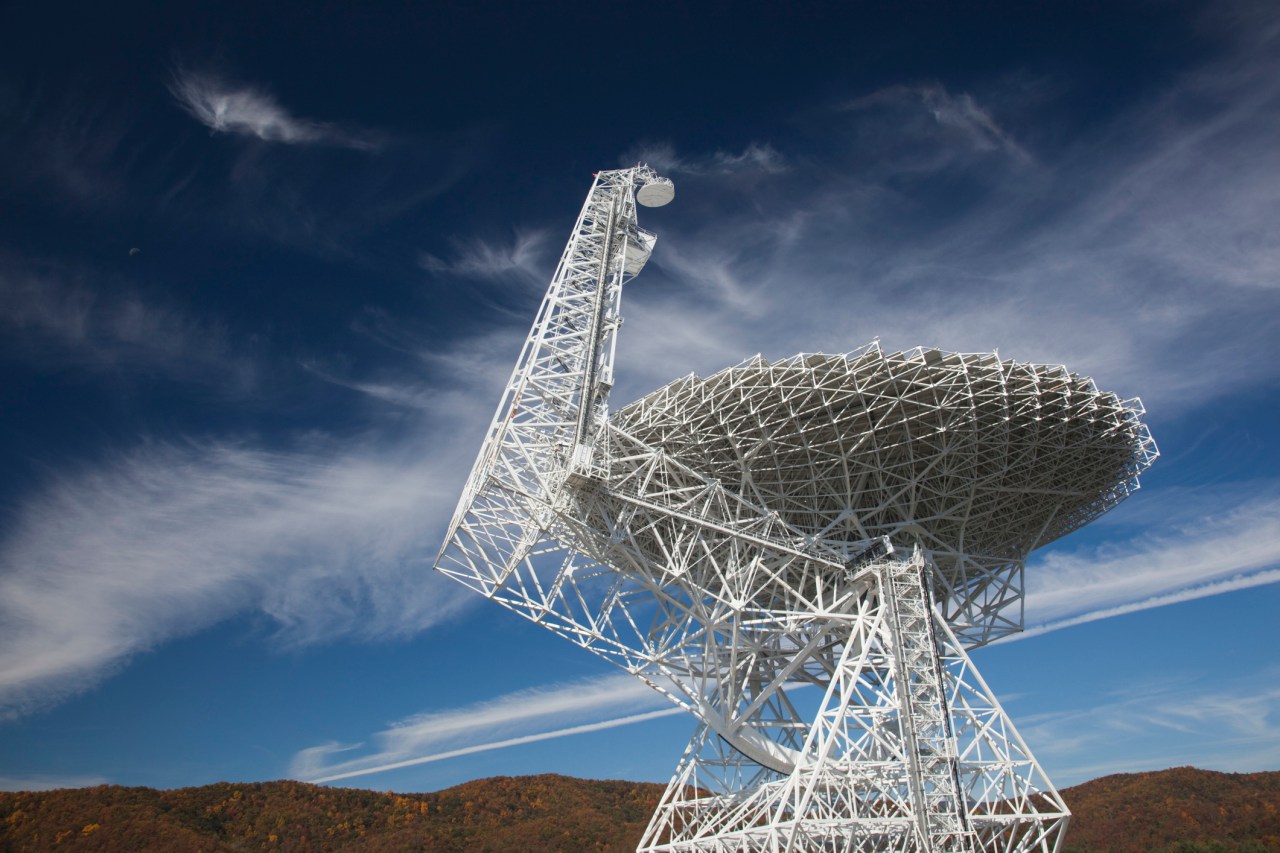
Fast radio bursts are brief but intense flashes of radio emissions from deep space, with their origins often shrouded in mystery. Only one source, FRB 121102, has been known to emit these signals consistently, making it a focal point for astronomical inquiries. The data for the latest discoveries stem from the Green Bank Telescope in West Virginia, where extensive observation sessions produced a staggering volume of transmission data—around 400 terabytes.
The Power of Machine Learning
Traditional algorithms had previously detected 21 FRBs within just one hour of observations. However, with the introduction of a custom convolutional neural network created by UC Berkeley graduate student Gerry Zhang, the results were remarkable. This advanced model scoured the immense dataset and identified an additional 72 FRBs during the same time frame, demonstrating the efficiency and potential of machine learning in astronomical research. Here’s why this development is significant:
- Improved Detection Capabilities: AI technology can sift through large datasets much faster and may reveal signals that traditional methods overlook.
- Complementary Approaches: The machine learning models do not replace conventional methods but bolster their effectiveness, enabling astronomers to train AI on existing data.
- Scientific Validation: The findings and methodologies will be published in the Astrophysical Journal, adding credibility to the interdisciplinary approach integrating AI with astrophysics.
What Lies Ahead for SETI
The implications of these discoveries extend beyond simply identifying more FRBs. As Andrew Siemion, the lead researcher at Berkeley’s SETI center, notes, understanding the “dynamic behavior” of these signals could open new avenues of inquiry and further refine detection methods. While the new bursts do not show a discernible pattern beyond 10 milliseconds, this is still valuable information as it helps researchers rule out false leads and prioritize future investigations.
Imagine the potential of an advanced civilization encoding messages within these rapid bursts. As the lines of communication across the cosmos remain a tantalizing possibility, the continuous efforts of SETI mark a critical exploration of the unknown.
Conclusion: Bridging the Gap Between Science and Imagination
The integration of AI in the search for extraterrestrial signals represents a pivotal moment in astrophysical research. As SETI continues to monitor the enigmatic FRB 121102 and other cosmic phenomena, the collaboration between advanced technology and scientific inquiry yields exciting possibilities. While we may not yet possess the key to decode messages from outer space, the advancement of machine learning in this field provides a clearer lens through which to view our universe’s complexities.
At fxis.ai, we believe that such advancements are crucial for the future of AI, as they enable more comprehensive and effective solutions. Our team is continually exploring new methodologies to push the envelope in artificial intelligence, ensuring that our clients benefit from the latest technological innovations. For more insights, updates, or to collaborate on AI development projects, stay connected with fxis.ai.