
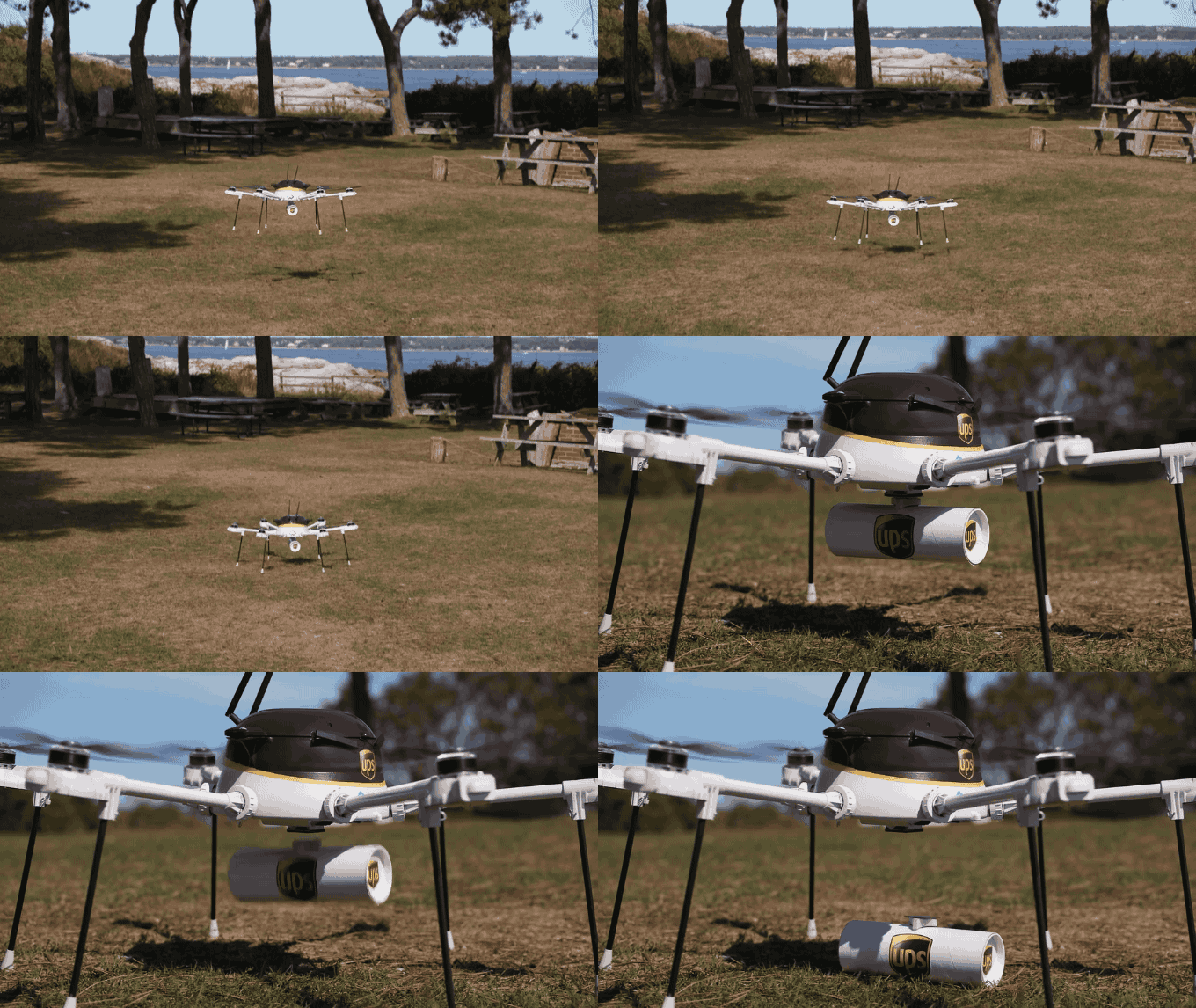
In an era where immediacy and efficiency reign supreme in logistics, UPS is making bold strides in revolutionizing its delivery methods. With the establishment of a new subsidiary geared towards drone delivery—UPS Flight Forward—the company is setting its sights on reshaping last-mile logistics amid growing competition. This move could redefine how we perceive shipping, paving the way for quicker, safer, and more reliable delivery methods.
Charting New Territory with UPS Flight Forward
UPS Flight Forward is more than just a subsidiary; it’s a game-changer. This dedicated wing of UPS is responsible for pushing forward the company’s drone technology innovations. By focusing solely on drone deliveries, UPS aims not only to keep up with competitors but also to lead the charge in this emerging field. The company’s ambitions extend beyond just deliveries; they aim to address specific sectors such as healthcare and emergency services, which could greatly benefit from fast and efficient delivery systems.
Regulatory Hurdles and FAA Approval
For UPS to realize its drone delivery vision, navigating the regulatory landscape is critical. The company seeks approval from the Federal Aviation Administration (FAA) to operate drones under conditions that are currently restricted. This includes flying over populated areas, operating at night, and executing flights without a human operator’s line of sight. Approval in this realm would align UPS with the likes of Alphabet’s Wing, which has already received similar certification, thus setting a precedent for others in the industry.
Strategic Partnerships and Pilot Programs
UPS isn’t going it alone. Earlier collaborations with drone startups like Matternet have already yielded successful pilot programs, which focused on delivering medical supplies in North Carolina. Such trials reflect UPS’s willingness to innovate; they understand that healthcare, one of the most logistics-dependent sectors, stands to gain immensely from drone delivery technology. By targeting niche markets for drone applications, UPS is setting itself apart from larger corporate competitors like Amazon and Uber Eats.
Challenges Ahead: Market Competition
Despite its forward-thinking approach, UPS faces stiff competition in the drone delivery space. Amazon has been aggressively marketing its own drone delivery program, presenting a formidable challenge. Additionally, with other companies like Uber Eats seeking certification, the race is on to capture the last-mile logistics market. However, UPS’s long-standing reputation as a reliable delivery service provider enables it to go head-to-head with these competitors and potentially carve out a significant market share.
Conclusion: A Sky Full of Possibilities
UPS’s aspirations in drone delivery highlight how the logistics industry is evolving rapidly. By launching UPS Flight Forward and pursuing FAA approvals, the company is strategically positioning itself at the forefront of this transformative technology. While the approval timeline remains unclear, UPS’s confidence suggests that we’re on the cusp of seeing a new chapter in delivery services. The future of last-mile logistics might just be flying high above us.
At fxis.ai, we believe that such advancements are crucial for the future of AI, as they enable more comprehensive and effective solutions. Our team is continually exploring new methodologies to push the envelope in artificial intelligence, ensuring that our clients benefit from the latest technological innovations. For more insights, updates, or to collaborate on AI development projects, stay connected with fxis.ai.