
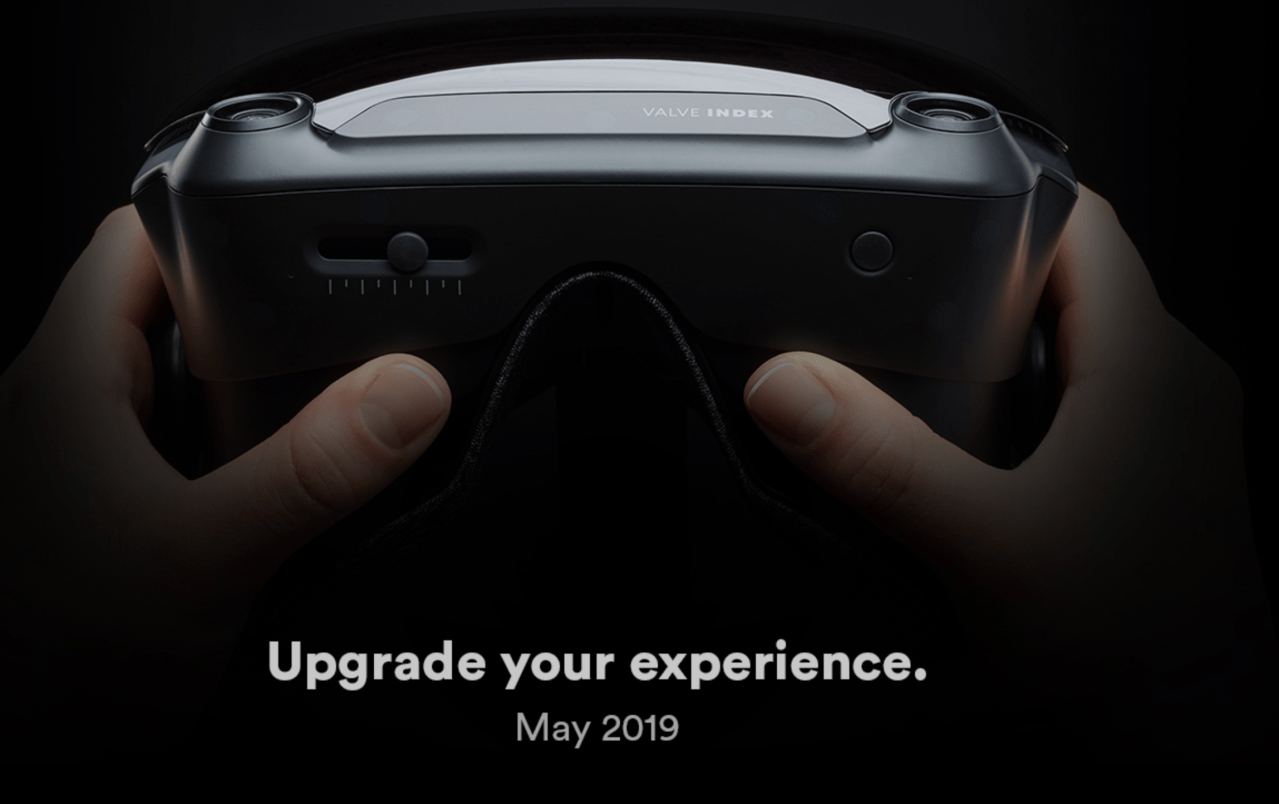
When it comes to virtual reality (VR), Valve has long been a name synonymous with innovation and advancement. With its recent reveal of the Valve Index headset, the gaming titan is poised to make significant waves in the VR market, leaving gamers and tech enthusiasts eagerly awaiting more details. What sets the Valve Index apart from the competition, and what can we expect in its push to redefine the VR experience?
The Rise of the Valve Index
Valve has certainly been a trailblazer in the VR space, providing the backbone for popular headsets like the HTC Vive through its SteamVR platform. Historically, however, Valve’s primary focus lay in enhancing software technologies rather than launching its own dedicated hardware. The unveiling of the Valve Index marks a pivotal moment as the company steps into the hardware realm with a high-end offering for serious gamers.
Features That Capture Attention
- High-Quality Visuals: Rumors suggest that the Valve Index will sport a display resolution akin to the HTC Vive Pro, accompanied by an expansive 135-degree field-of-view (FoV). This larger FoV promises more immersive gameplay and a more lifelike experience, distinguishing it from the 110-degree FoV on competitors like the Oculus Rift.
- Personalized Comfort: A notable feature in the teaser image is the apparent inter-pupillary distance (IPD) adjustment slider. This addition allows for customizable fitting based on users’ eye distance, resolving the discomfort experienced by many Oculus Rift S users lacking this crucial adjustment tool.
- Mixed Reality Capabilities: While questions linger around the headset’s onboard cameras, speculation suggests they may support mixed reality passthrough experiences. This technology can open doors for innovative gaming experiences, combining virtual and augmented reality elements in ways previously unexplored.
The Competitive Landscape
The VR ecosystem has emerged as a battleground dominated primarily by Oculus and Microsoft’s Windows Mixed Reality. The advent of the Valve Index reintroduces competition into the fray, potentially reshaping the market dynamics. With Oculus seemingly shifting focus away from high-end VR, and HTC’s consumer ambitions dwindling as it pivots to enterprise, Valve is strategically positioned to reclaim a significant portion of the VR audience.
Potential Impact on Gamers and Developers
The launch of the Valve Index not only heralds an exciting new headset but also signals a broader impact on the gaming community. Developers can harness the advanced capabilities of the Index to create richer, more intricate VR experiences. Gamers, on the other hand, will gain access to state-of-the-art hardware that enhances immersion and responsiveness—two critical factors that define successful VR experiences.
Conclusion: A New Chapter in VR
The Valve Index marks an exciting progression in the virtual reality landscape, leveraging Valve’s extensive experience in creating software innovations to push the boundaries of gaming hardware. As the gaming community eagerly awaits further announcements and in-depth specifications, one thing is clear: the Index has the potential to elevate the VR experience for gamers and developers alike.
At [fxis.ai](https://fxis.ai/edu), we believe that such advancements are crucial for the future of AI, as they enable more comprehensive and effective solutions. Our team is continually exploring new methodologies to push the envelope in artificial intelligence, ensuring that our clients benefit from the latest technological innovations.
For more insights, updates, or to collaborate on AI development projects, stay connected with [fxis.ai](https://fxis.ai/edu).