
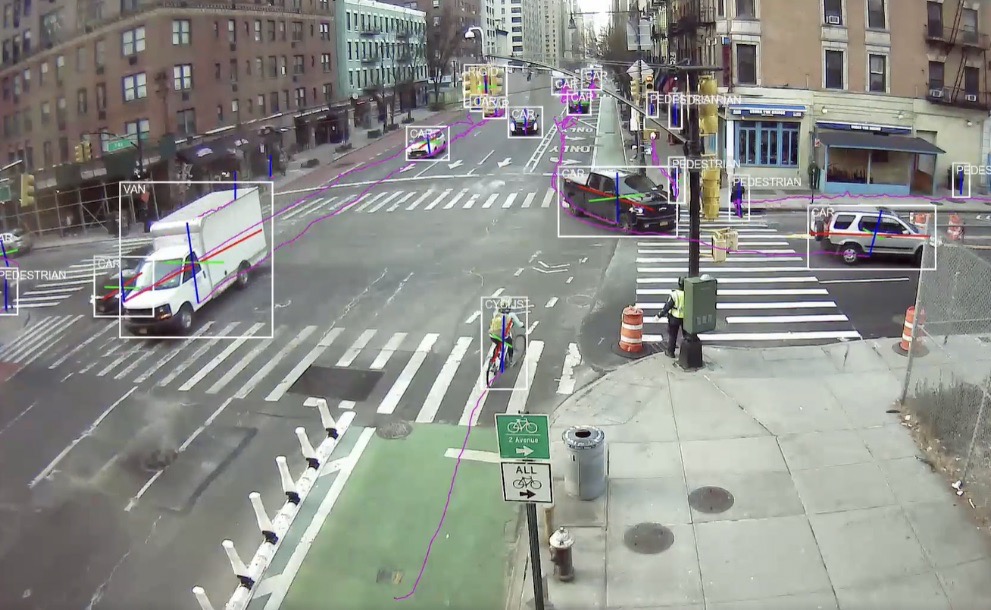
In a country that saw 39,000 lives lost due to motor vehicle incidents in 2020 alone, the gravity of the challenge we face in urban transportation is undeniable. The staggering figure of 6,200 pedestrian fatalities is a stark reminder of the risks we encounter daily on the streets. In response to this pressing issue, VivaCity, known simply as Viva, is on a mission to make American cities safer, beginning with the sprawling streets of New York City. Armed with innovative artificial intelligence (AI) technology and an $8.5 million funding boost, Viva is ready to revolutionize the way cities gather and utilize transport data.
The Genesis of VivaCity’s Mission
Founded in 2015, Viva is no stranger to the complexities of urban mobility. The brainchild of university co-founders, including CEO Mark Nicholson, the company emerged from a venture aimed at building a highly efficient vehicle. Now, Viva has shifted its focus towards enhancing road safety and combating climate change. With its recent expansion into North America, the company aims to leverage its AI sensors to fundamentally change how transportation data is collected and applied.
- Data-Driven Decision Making: VivaCity’s sensors collect anonymized data on street users, including vehicles and pedestrians, to identify congestion points and predict potential accident hotspots.
- Collaborative Approach: Working with the New York City Department of Transportation (NYC DoT), VivaCity aims to analyze this rich data set to make informed safety decisions that benefit both residents and visitors.
- A Holistic Vision: The company’s long-term goal extends beyond mere traffic management; it includes catalyzing a shift toward active travel, which is beneficial for both individuals and the planet.
Transforming Roads Through Technology
Viva’s arsenal of AI sensors offers insights that traditional methods often overlook. These sensors have already been deployed in over 100 cities worldwide, gathering data on nine different modes of transport. The magnitude of this data—20 billion road user counts—provides a comprehensive view of how urban spaces function.
Innovatively, Viva doesn’t just wait for accidents to happen. Instead, they utilize predictive analytics to anticipate trouble spots. According to Nicholson, “If we can foretell where accidents might occur, we can proactively implement safety measures, rather than reactively addressing issues after lives are lost.”
Viva’s Impact on Urban Well-being
The emphasis on improving urban transportation is more than just a safety measure; it’s about promoting sustainable mobility. Nicholson notes that one of the greatest hurdles in achieving significant reductions in transport emissions is public perception. Many people are deterred from cycling or walking due to safety concerns. By utilizing data to create safer roads, VivaCity hopes to change that narrative, encouraging a more active and environmentally friendly urban lifestyle.
Moreover, the principles of privacy and data protection sit at the core of Viva’s operational ethos. In a digital age teeming with concerns about personal data security, Viva employs a privacy-by-design approach, ensuring that citizens’ information remains protected while enabling vital urban improvements.
Looking Ahead: The Future of Urban Mobility
The collaboration with NYC DoT represents just the beginning of Viva’s ambitious journey in North America. The company is poised for broader expansion, not only through increased installations of its sensors but also by developing new product lines aimed at optimizing road networks and enhancing sustainable transport.
Nicholson envisions a future where cities are designed around the citizen experience, leveraging data to create livable environments that prioritize safety and accessibility. “Other industries have seen revolutions due to data integration over the past two decades; there’s no reason urban transport should lag behind,” he states.
Conclusion
VivaCity is paving the way for a transformative approach to urban transportation, one that is data-driven, proactive, and citizen-centric. As the company’s sensors begin to gather invaluable insights across New York City, the hope is not just to reduce accident rates but to foster a culture of active transportation that aligns with global sustainability goals. The ambitious blend of technology and empathy hints at a promising future for urban mobility.
For more insights, updates, or to collaborate on AI development projects, stay connected with **[fxis.ai](https://fxis.ai/edu)**.
At **[fxis.ai](https://fxis.ai/edu)**, we believe that such advancements are crucial for the future of AI, as they enable more comprehensive and effective solutions. Our team is continually exploring new methodologies to push the envelope in artificial intelligence, ensuring that our clients benefit from the latest technological innovations.