
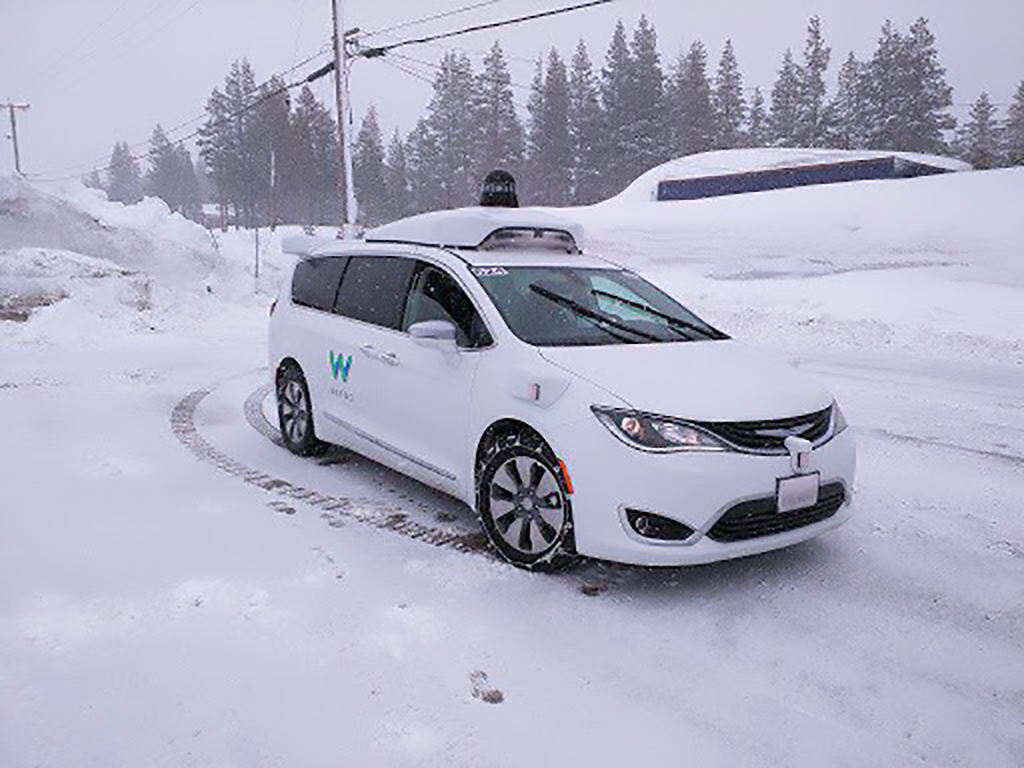
In an era where technology is evolving at an unprecedented pace, the quest for fully autonomous vehicles has seen substantial advancements. One of the more captivating endeavors is the ongoing work by Waymo, which recently turned its attention to a challenging frontier: driving in snowy conditions. This initiative is not just a test of capability; it represents a critical step toward the broader rollout of self-driving technology that can adapt to a variety of weather scenarios.
The Need for Snow Testing
Snow poses unique challenges that can severely test a vehicle’s sensors and algorithms. Visibility can be reduced, traction can significantly diminish, and sensor performance can fluctuate. For autonomous vehicles, particularly those operated by Waymo, encountering such weather conditions is essential. As highlighted in Waymo CEO John Krafcik’s recent tweet, the company’s self-driving Pacifica minivan was spotted navigating the snowy terrains of South Lake Tahoe, California. This environment provides the perfect backdrop for experimentation, as it combines the need for rigorous testing with legal allowances for autonomous driving on state roads.
Testing Environments Matter
- South Lake Tahoe: A prime location for snow testing, allowing Waymo to assess its technology under severe weather conditions.
- Kirkland, Washington: Another testing ground where the company explores wet conditions, including rain and mist.
- Arizona: A stark contrast with its dry desert climate, challenging the technology with dust and heat rather than snow.
Waymo’s testing locations are strategically chosen to ensure a well-rounded development process. By understanding how their vehicles respond to drastically different weather conditions, they’ve steadily fortified their software and hardware capabilities.
The Road Ahead for Waymo
As Waymo continues to hone its self-driving technology amidst snow, the insights gained will ideally lead to significant improvements not just in terms of handling adverse weather, but also in creating resilience in the broader ecosystem of autonomous driving. Competing companies like GM’s Cruise and others are also keenly focused on facing these weather-induced challenges, particularly in areas like Michigan that experience heavy winter conditions. The drive to achieve safe and dependable autonomous systems is a collaborative industry goal, underscoring the importance of experience in diverse climates.
Broader Implications
The testing of autonomous vehicles in the snow is more than just about adaptability; it’s about safety. A self-driving car that can handle snowy roads could ultimately mean fewer accidents and more reliable transportation options, particularly in winter-stricken regions. The push for robust self-driving technologies is vital for gaining public trust, convincing them that an autonomous vehicle can indeed navigate complex scenarios that a human driver may find daunting.
Conclusion
Waymo’s efforts to master the art of self-driving in tough winter conditions illustrate its commitment not only to innovation but also to consumer safety. As the company progresses with its ambitious plans and expands its testing perimeter, the hope is that it paves the way for a future where autonomous vehicles are not solely a marvel of technology but also an indispensable aspect of daily life. The road may be long, but with each test in the snow, Waymo is actively shaping the future of transportation.
At fxis.ai, we believe that such advancements are crucial for the future of AI, as they enable more comprehensive and effective solutions. Our team is continually exploring new methodologies to push the envelope in artificial intelligence, ensuring that our clients benefit from the latest technological innovations.
For more insights, updates, or to collaborate on AI development projects, stay connected with fxis.ai.