
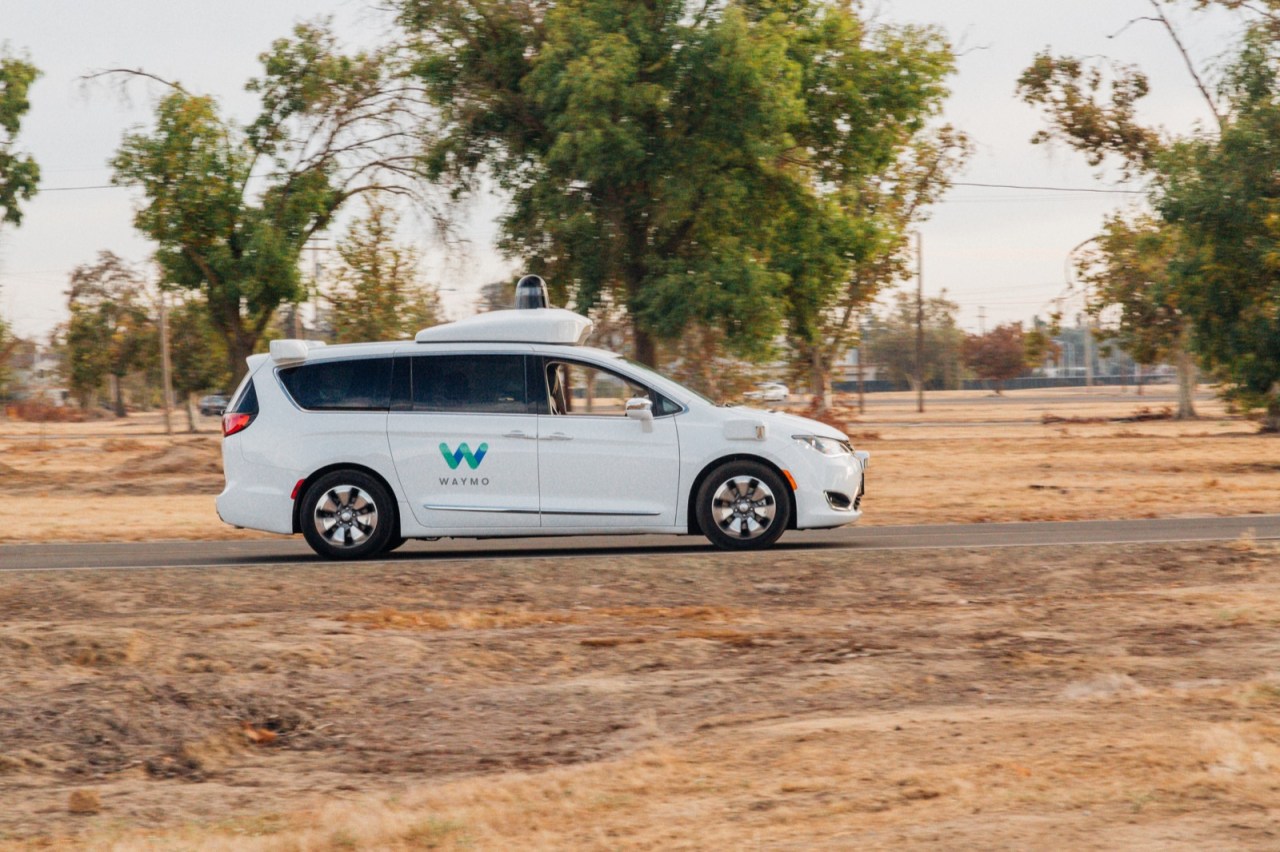
In a significant stride forward within the realm of autonomous technology, Waymo has announced an expansion of its partnership with AutoNation to include business-to-business (B2B) delivery services. This move not only highlights the versatility of self-driving vehicles but also opens new doors for operations within the automotive industry. Let’s explore the implications of this partnership and its potential impact on logistics and delivery systems.
A New Phase of Partnership
Initially, Waymo’s relationship with AutoNation focused on servicing vehicles in Phoenix, Arizona. As the collaboration evolved, it transitioned into providing transportation for AutoNation customers traveling to dealerships. Now, with the introduction of B2B goods transportation, Waymo vehicles will transport car parts between AutoNation’s Toyota Tempe locations and independent repair shops. This expansion reflects a keen understanding of the logistical challenges faced by the automotive sector, especially in urban areas.
Efficiency in Delivery
Why B2B delivery? One notable observation made by Waymo’s CEO, John Krafcik, indicates that automated deliveries might find quicker success compared to passenger transport services. This could arise from the nature of goods transport, which often relies on established, repeatable routes. Here are a few reasons why this initiative may rapidly gain traction:
- Reduced Costs: Utilizing autonomous vehicles for deliveries can significantly reduce operational costs associated with hiring and managing drivers.
- Improved Efficiency: Automation allows for optimized route planning, reducing delivery times and enhancing service quality.
- Consistency: Unlike human drivers, autonomous vehicles can work around the clock, ensuring that deliveries can be made promptly any time of the day.
The Bigger Picture: Transforming Logistics
This pilot program isn’t just a step for Waymo; it has broader implications for the logistics and transportation industry. By leveraging advanced autonomous technology, companies can improve their delivery networks, leading to faster turnaround times and better supply chain management. Additionally, such innovations could inspire similar partnerships across various industries, paving the way for more comprehensive autonomous delivery services beyond the automotive sector.
Looking Ahead: Challenges and Opportunities
Despite the clear advantages, the deployment of self-driving vehicles for commercial delivery does not come without challenges. Legislations surrounding autonomous technology are still being developed, and public perception regarding safety and reliability remains a critical factor. Companies need to address these concerns through education and direct communication with the public.
However, as more trials unfold and technology advances, there is substantial potential for an expanded role for autonomous vehicles across verticals such as e-commerce, food delivery, and more. Companies like Waymo are at the forefront of this shift, paving the way for a future where driverless deliveries become a standard expectation.
Conclusion: The Road Ahead
Waymo’s venture into B2B car parts delivery is an exciting development that emphasizes the evolving nature of autonomous vehicles and their place in our economy. As this pilot project gains momentum, we can expect to see further advancements in logistics solutions grounded in technology that minimizes human intervention while maximizing efficiency. This partnership marks just the beginning of what promises to be a comprehensive overhaul of traditional delivery methods.
At fxis.ai, we believe that such advancements are crucial for the future of AI, as they enable more comprehensive and effective solutions. Our team is continually exploring new methodologies to push the envelope in artificial intelligence, ensuring that our clients benefit from the latest technological innovations.
For more insights, updates, or to collaborate on AI development projects, stay connected with fxis.ai.