
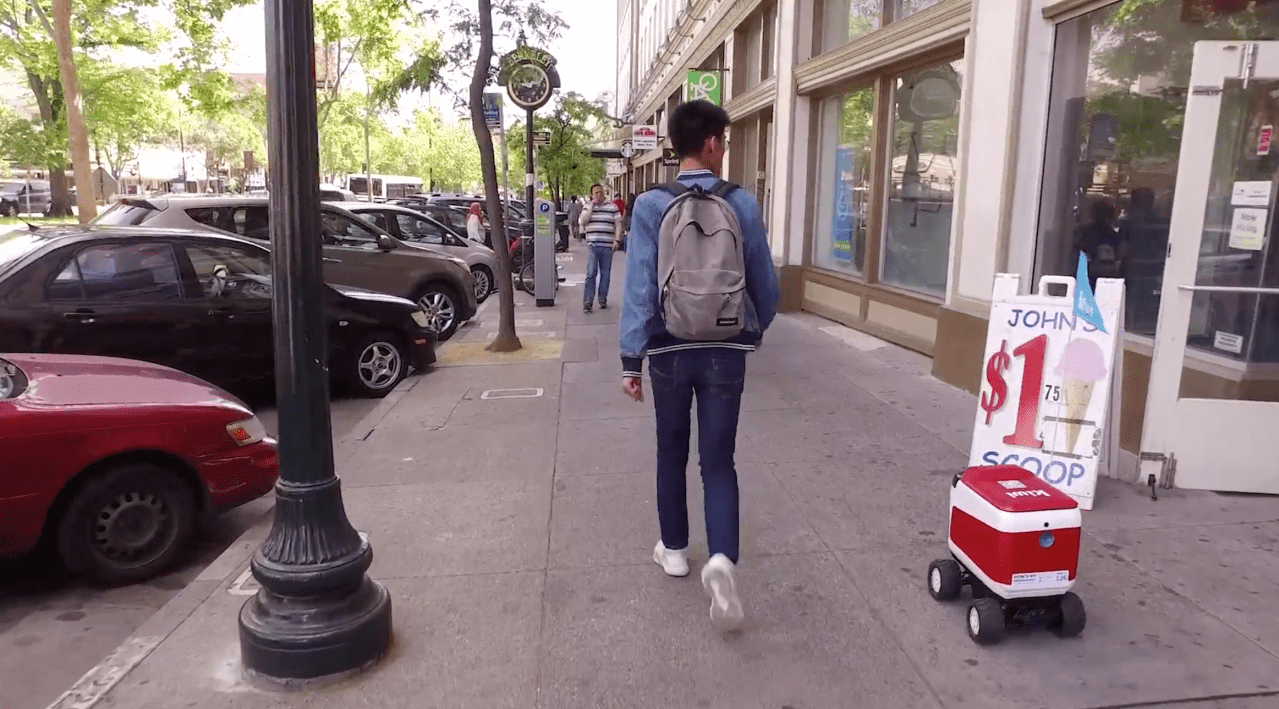
In a world where technology is steadily transforming our daily lives, Kiwi, a startup specializing in delivery robots, found themselves in the news for all the wrong reasons. Recently, a heavily publicized incident unfolded on the U.C. Berkeley campus when one of their delivery robots caught fire. This unfortunate event has sparked conversations about the reliability of delivery technology and the critical issues that can arise from even the slightest missteps. Let’s dive deeper into what happened and what we can learn from this incident.
What Happened: A Delivery Robot’s Moment of Crisis
Last week, U.C. Berkeley students were taken aback as they witnessed a Kiwi delivery robot engulfed in flames. Video footage showed the small robot emitting smoke and minor flames, leading to an improvised effort by a bystander to extinguish the fire with a nearby fire extinguisher. Ultimately, the Berkeley Fire Department stepped in to ensure everything was under control.
In the aftermath, Kiwi took to their blog to acknowledge the episode, emphasizing that this kind of malfunction was incredibly rare, impacting less than 0.6% of their robot fleet. They emphasized that their prior two years of piloting robots on campus had been relatively incident-free.
The Root Cause: A Lesson in Human Error
Kiwi’s investigation revealed that the fire was due to “human error” in their battery replacement process. A defective battery had been mistakenly installed instead of a functioning one, leading to what is known as thermal runaway—a term that refers to a chain reaction within a battery that can result in overheating and combustion.
- Thermal Runaway Explained: This phenomenon occurs when excessive heat causes a battery to fail, and it can turn deadly if not contained quickly.
- Precautionary Measures: In response to this incident, Kiwi is enacting a stricter battery review process to prevent future occurrences.
Public Response and Industry Implications
While the immediate response from the public was a mix of shock and humor, as the incident circulated widely online, it also raised broader questions about the safety protocols in place for autonomous delivery systems. As we continue to integrate robots and automation into everyday tasks, ensuring their safety should be a top priority, especially in public spaces.
Many other startups in the delivery robot industry are likely watching Kiwi’s situation closely. The lessons learned here could inform better policies and enhancements across the entire sector. In an age where automated delivery solutions are becoming increasingly relied upon, ensuring safety and accountability will be instrumental for their acceptance.
The Future of Delivery Robots: A Cautious Optimism
Forward-thinking companies like Kiwi can recover from this incident by focusing on improved safety measures while leveraging the technology’s efficiency. Advances in battery technology and more stringent testing protocols can mitigate risks significantly. Moreover, transitioning briefly to hands-on delivery during the investigation phase demonstrated a commitment to customer safety and service reliability, a move that may earn them public trust back.
Conclusion: Moving Forward with Lessons Learned
The Kiwi incident is a stark reminder that even the most advanced technologies can falter due to human error. It underscores that maintaining rigorous safety checks is essential to advancing the robotics industry. As delivery robots continue to evolve and integrate into our cities, it is crucial that companies remain vigilant to ensure that innovation does not compromise safety. At **[fxis.ai](https://fxis.ai/edu)**, we believe that such advancements are crucial for the future of AI, as they enable more comprehensive and effective solutions. Our team is continually exploring new methodologies to push the envelope in artificial intelligence, ensuring that our clients benefit from the latest technological innovations.
For more insights, updates, or to collaborate on AI development projects, stay connected with **[fxis.ai](https://fxis.ai/edu)**.