
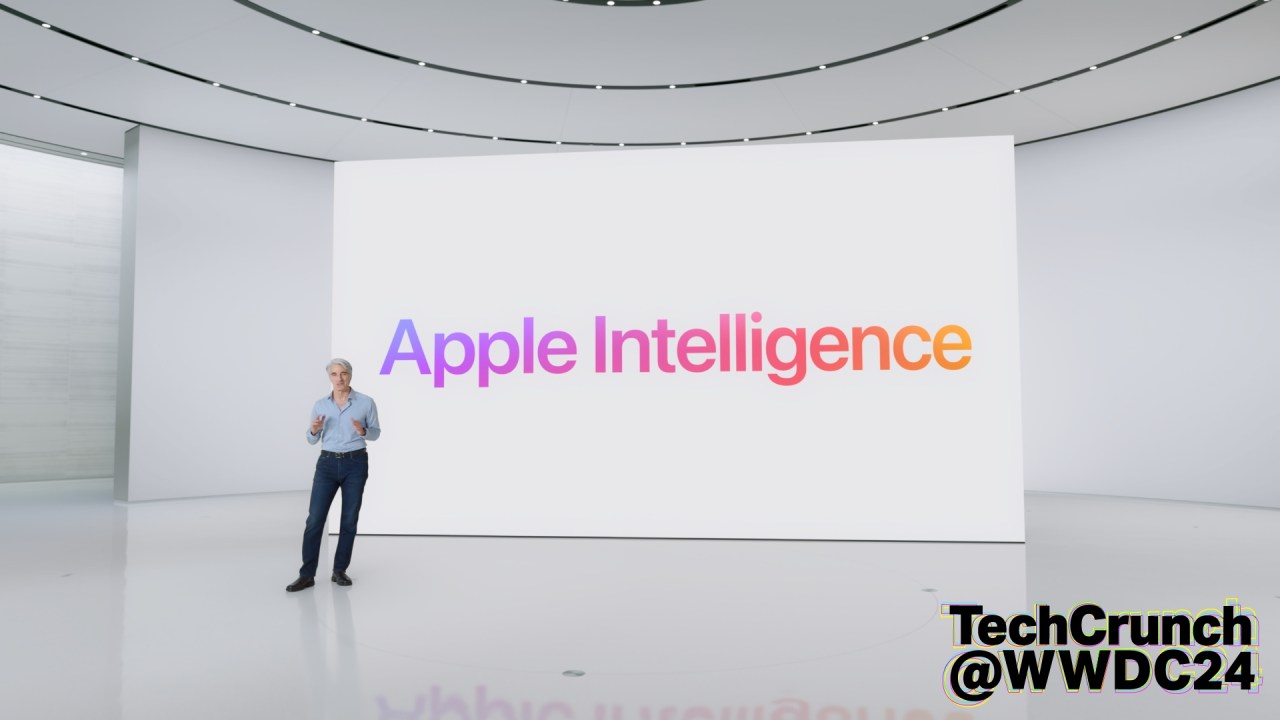
The rapidly evolving landscape of generative AI has led major tech companies to explore various methodologies for embedding these capabilities into everyday products. A notable player in this ecosystem, Apple, recently showcased its novel framework, dubbed Apple Intelligence, during the WWDC 2024 event. Unlike many of its competitors favoring large-scale models, Apple is tuning its strategy towards smaller, more specialized AI models. This paradigm shift not only reflects Apple’s longstanding commitment to user experience but also aims to address privacy concerns and optimize device performance.
Embracing Smaller Models for Tailored Solutions
Apple has always distinguished itself with a user-centric approach in its products, and the introduction of Apple Intelligence is no exception. While companies like OpenAI and Google harness the power of extensive models like ChatGPT and Gemini, Apple aims to refine its AI capabilities through smaller, purpose-built models designed specifically for its ecosystem. This is not merely an exercise in branding; it marks a significant shift in how generative AI can be integrated into operating systems, ensuring a fluid and intuitive user experience.
Custom Datasets Tailored to User Needs
One of the pioneering aspects of Apple’s generative AI initiative lies in its use of customized datasets for training its models. Rather than attempting to create a catch-all solution, Apple focuses on operational efficiency by leveraging datasets that resonate with user functionalities on macOS and iOS. This strategy enhances both the speed and relevance of AI responses, showcasing a pragmatism often overlooked by companies pursuing grandeur in scale.
Transparency through Specialization
Acknowledging the prevalent ‘black box’ dilemma of AI, Apple’s strategy of utilizing smaller models may offer greater transparency regarding the decision-making processes of its AI systems. By honing in on topic-specific models, users may gain a clearer understanding of how the system derives its conclusions, adding a layer of trust that is vital in today’s digital landscape.
A Seamless Integration with Feedback Mechanisms
Apple Intelligence not only accentuates performance but is also designed to be integrated seamlessly into its operating systems. For Apple, the goal is to ensure users can interact with generative AI without needing to grasp the intricate technologies powering it. In practice, this means incorporating feedback mechanisms, which empower users to report any inconsistencies in the AI’s outputs. This cyclical feedback loop not only enhances model performance but fosters an empathetic relationship between users and the technology they rely on.
Utilizing “Adapters” for Diverse Functionality
In what could be seen as a nod to flexibility, Apple Intelligence employs “adapters” to address various tasks and user preferences. This adaptability not only facilitates a richer user experience but also allows Apple to maintain a balance between specialization and generalization, a feat many larger models struggle to achieve. The adaptability comes while ensuring that the operating systems never compromise on user comfort and efficiency.
Collaborating with Third-Party Models
In spite of its focused approach, Apple recognizes the importance of interoperability. The integration of third-party AI models, including those from OpenAI, enhances the system’s ability to address inquiries that might fall outside the scope of its in-house offerings. This approach not only broadens the range of potential responses but also instills confidence in users regarding data privacy, as Apple has set explicit protocols to inform users before involving third-party capabilities in their queries.
Commitment to User Privacy and Control
Privacy remains a cornerstone of Apple’s philosophy, and the company has meticulously designed its systems to align with user expectations. Therefore, users can opt-in or opt-out of third-party models based on their preferences, reinforcing Apple’s commitment to transparency. Furthermore, Apple’s practice of processing inquiries either on-device or via remote servers, combined with strict privacy measures, illustrates a robust framework designed to keep user data secure.
Conclusion: The Future of AI with Apple
Apple’s no-frills, bespoke approach to generative AI, characterized by smaller, specialized models, holds promise for reshaping user interactions with technology. While larger models might offer an extensive variety of outputs, Apple’s strategy combines efficiency, user experience, and data privacy. As we move towards a future inundated with AI, Apple Intelligence stands as a testament to how tailoring technology can yield both functional and ethical advancements.
At fxis.ai, we believe that such advancements are crucial for the future of AI, as they enable more comprehensive and effective solutions. Our team is continually exploring new methodologies to push the envelope in artificial intelligence, ensuring that our clients benefit from the latest technological innovations.
For more insights, updates, or to collaborate on AI development projects, stay connected with fxis.ai.