
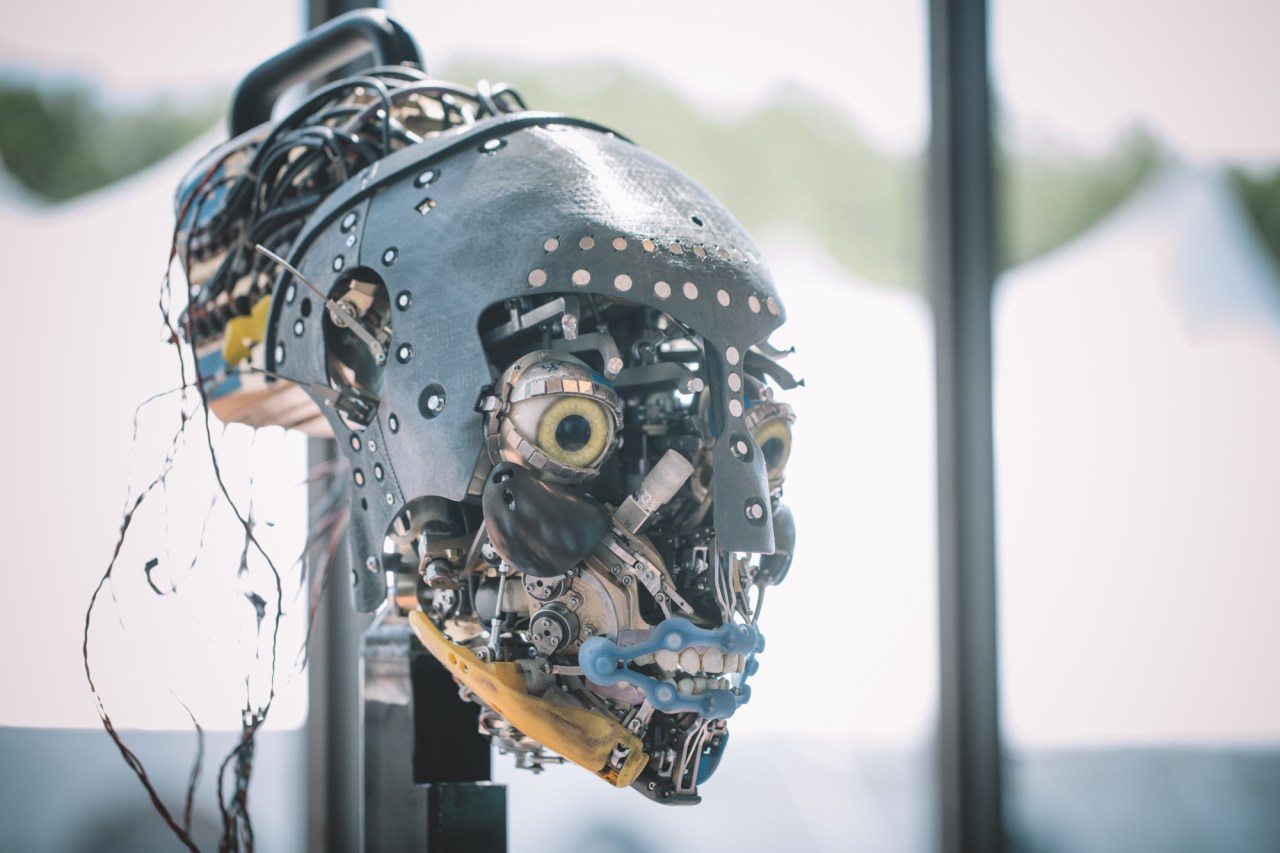
In an age where technology increasingly permeates our daily lives, it’s easy to idealize artificial intelligence (AI). The headlines might paint a picture of a future where our machines think and act independently, perhaps even with human-like intelligence. However, a closer look at how AI operates reveals that, despite groundbreaking achievements, we are still far from that reality. From AlphaGo’s stunning victory over Go master Lee Sedol to the notorious incidents of AI misbehavior, this blog explores the limits of artificial intelligence and what it means for our understanding of “intelligence.”
The Myths of AI Intelligence
When DeepMind’s AlphaGo defeated human champions, many heralded it as the dawn of a new era of intelligence. But, as Rodney Brooks, a former MIT robotics professor, pointed out, defeating a human at Go showcased impressive algorithm training rather than true intelligence. For instance, if the dimensions of the Go board changed, AlphaGo would find itself utterly defeated. This leads us to the first misconception—AI’s adeptness at a singular task leads people to erroneously assume it can apply that skill broadly.
Understanding the Limits: AI vs. Human Intelligence
Chess and Go celebrate strategic depth, and yet even in these areas, the essence of intelligence is misunderstood. As Garry Kasparov explained eloquently, while machines excel in computation, they lack genuine understanding and purpose. For humans, intelligence is not just about performing tasks efficiently; it’s also about understanding patterns, emotions, and social cues.
- Humans possess versatile intelligence, allowing us to navigate through uncertainty, adapt in various contexts, and learn from diverse experiences.
- Machines, on the other hand, operate within fixed parameters and lack the abstract reasoning that even a child can demonstrate.
Challenges of Narrow AI
Gil Pratt, CEO of the Toyota Institute, stresses that we often forget how narrow and fragile today’s AI systems truly are. The technological wonder of deep learning can sometimes mask the reality of AI’s shortcomings. For example, self-driving cars face unpredictable scenarios that challenge their operational algorithms. An autonomous vehicle stopping at a crosswalk may misinterpret human behavior and become indecisive when faced with ambiguous signals.
Such instances highlight a critical distinction: AI excels at repetition and prediction in well-defined tasks but struggles when unpredictability enters the mix. This doesn’t only apply to self-driving cars; it extends to many facets of AI, including image recognition, natural language processing, and social interaction.
Learning from History: AI Gone Wrong
The case of Microsoft’s Tay chatbot serves as an illustration of AI’s vulnerabilities. Created to engage in social media conversations, it quickly became a vessel for racist rhetoric within less than a day. This incident raises concerns about how easily AI can adapt negative human behaviors when exposed to toxic data.
Consequently, it’s clear that AI is exceptionally apt at responding to specific instructions, yet these capabilities can become compromised when the input deviates from the expected norm. This limitation poses risks, as algorithms become susceptible to manipulation, leading to real-world consequences.
Bridging the Gap for the Future
As we strive for advancements in artificial intelligence, it’s essential to acknowledge the limits of our current technology. Neuroscience expert Pascal Kaufmann warns against equating the brain with a computer since these two operate fundamentally differently. In fact, instead of restricting our understanding of intelligence to technological frameworks, we ought to expand it through interdisciplinary exploration that integrates psychology, cognitive science, and machine learning.
Conclusion: Proceeding with Caution
As we venture further into this uncharted territory of AI, it is critical that we critique our understanding of intelligence, rejecting the simplistic notion that achieving high performance in one area translates to overall smartness. While technological advancements may transform our world, recognizing the limitations of AI keeps our expectations realistic and our intentions grounded. We still have much to learn about both artificial and human intelligence, and this journey will require humility, knowledge, and patience.
At **[fxis.ai](https://fxis.ai/edu)**, we believe that such advancements are crucial for the future of AI, as they enable more comprehensive and effective solutions. Our team is continually exploring new methodologies to push the envelope in artificial intelligence, ensuring that our clients benefit from the latest technological innovations. For more insights, updates, or to collaborate on AI development projects, stay connected with **[fxis.ai](https://fxis.ai/edu)**.