
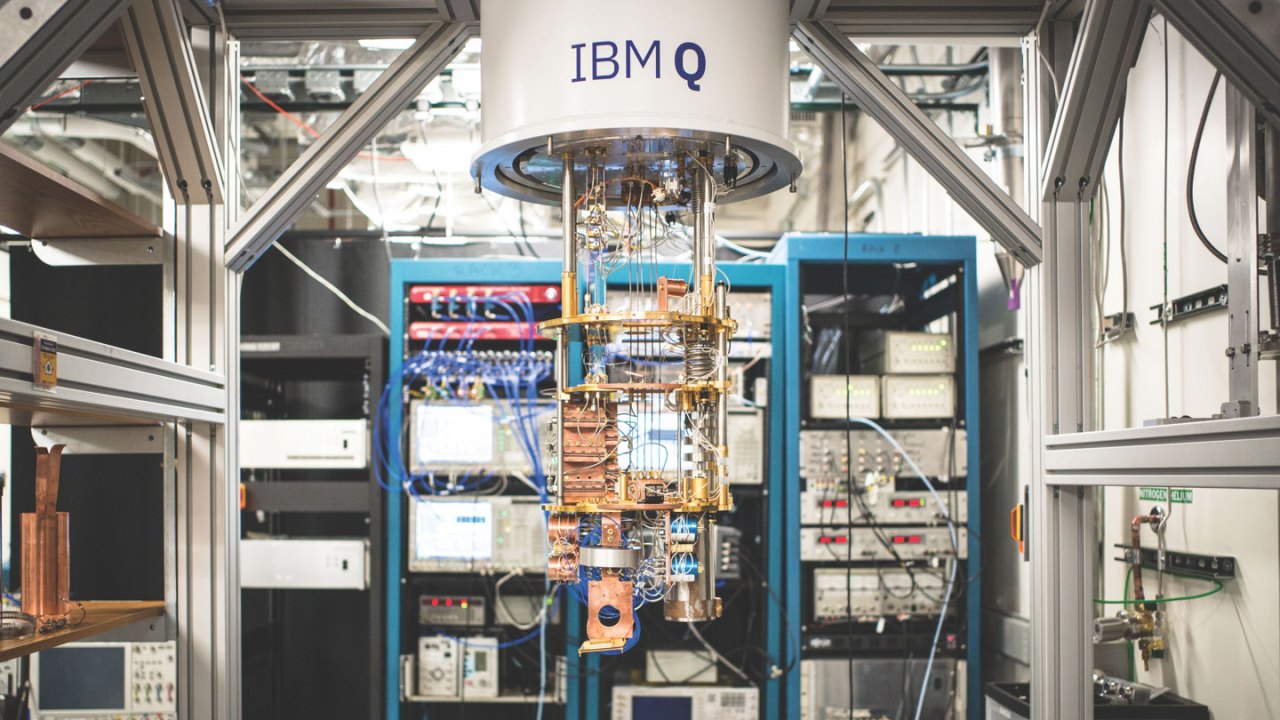
Picture a world where computers can solve problems in seconds that would take today’s most advanced systems centuries to tackle. This isn’t just the plot of a sci-fi movie; welcome to the dawn of quantum computing! As we stand on the precipice of this revolutionary technology, it’s essential for businesses, developers, and researchers to prepare for the profound implications it holds for various industries.
The Reality of Quantum Computing Today
Quantum computing was once shrouded in uncertainty and complexity, often viewed as an abstract concept. However, companies like D-Wave, IBM, and Rigetti have transitioned this theory into practice, providing what we now recognize as operational quantum computers. Still, these machines are akin to infant children—they’re learning, growing, yet limited in capacity. While quantum systems can handle only basic programs as of now, experts assert that the hurdles currently encountered are not insurmountable.
Understanding Quantum vs. Classical Computing
The nuances of quantum computing can be perplexing. Unlike classical computers that operate based on binary calculations, quantum computers leverage the principles of superposition and entanglement. This allows for a different approach to problem-solving. As IBM’s Jay Gambetta explains, “Quantum gives you a different lens that allows you to look at problems that you would never be able to look at with a classical computer.” It’s this fresh perspective that makes preparation even more pressing.
Bridging the Knowledge Gap
- Embrace Learning: As we venture into this new territory, developers need to cultivate a fresh set of skills and intuitions specific to quantum technology.
- Utilize Cloud Services: IBM and Rigetti have already made their quantum computers available through Cloud services. Microsoft is providing quantum simulators and dedicated programming languages for those eager to dive into this emerging field.
By using classical computers to simulate quantum environments, developers can gain practical experience, enabling them to better understand and mitigate issues related to noise, a significant characteristic of real quantum systems.
Future Applications of Quantum Computing
While we may not yet be poised to run complex applications, forward-thinking enterprises can already experiment with quantum-enabled projects. Gambetta notably points out the enormous potential of quantum computing in fields like chemistry. Imagine simulating interactions within a lithium-ion battery using quantum technologies; the insights garnered could have profound implications for materials used in energy storage solutions.
Furthermore, quantum machine learning is stirring excitement within the tech community. This approach is not intended to expedite current machine learning processes but rather to create entirely new mapping features that classical systems find challenging if not impossible.
The Call to Action
As businesses consider these advancements, the question arises: how prepare themselves for the quantum wave? Early engagement is critical—those who act now can influence the future development of technology through open collaboration on compilers, applications, and system exploration. Understanding and leveraging the current hardware and software will reduce the timeline required for organizations to utilize quantum computers effectively when they become more robust.
The Bottom Line
Quantum computing represents not just a trend but a pivotal shift that is imminent. With the technology moving from theoretical to practical, the time to prepare is now. Embracing this journey involves a readiness to innovate, learn, and collaborate.
At fxis.ai, we believe that such advancements are crucial for the future of AI, as they enable more comprehensive and effective solutions. Our team is continually exploring new methodologies to push the envelope in artificial intelligence, ensuring that our clients benefit from the latest technological innovations.
For more insights, updates, or to collaborate on AI development projects, stay connected with fxis.ai.