
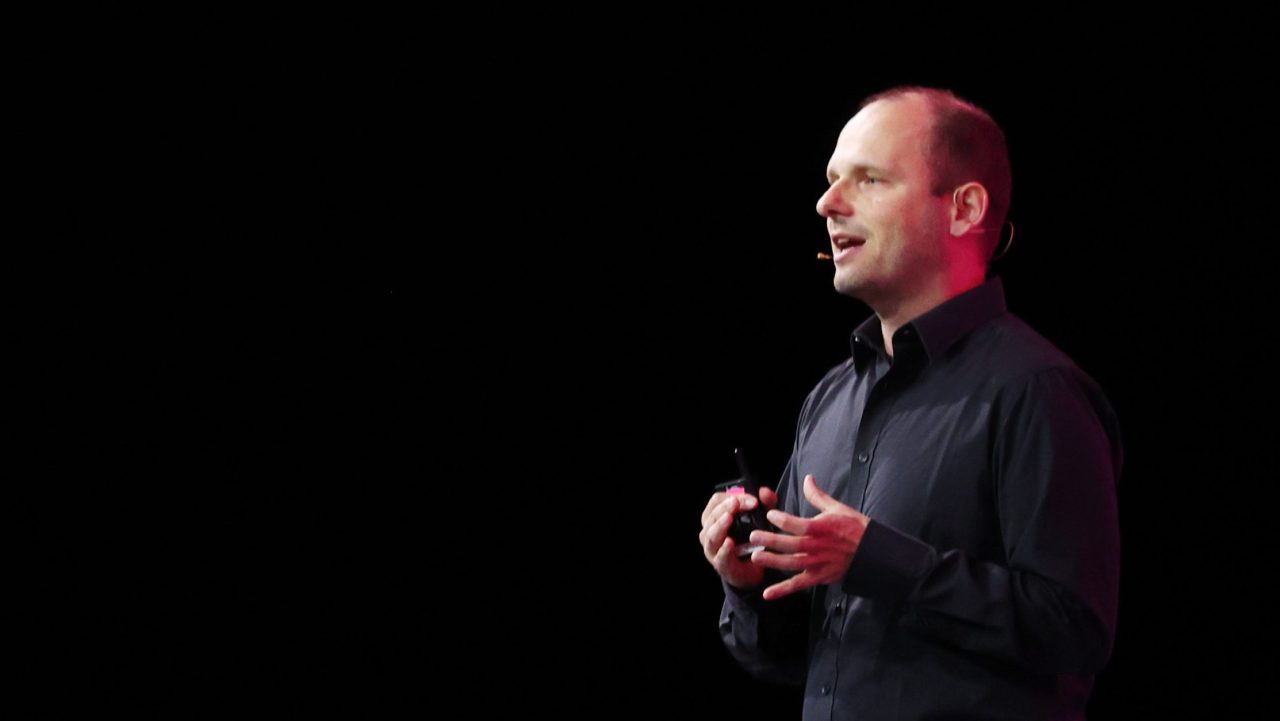
In a world increasingly dominated by artificial intelligence (AI) technologies, the regulatory landscape is poised to evolve substantially. A focal point of discussion is the impending EU Artificial Intelligence Act, which is envisioned to govern AI applications based on perceived risks. However, Thomas Dohmke, CEO of GitHub, argues convincingly that open source developers should be granted an exemption from these regulations. With a rising tide of AI innovation stemming from collaborative efforts, the implications and reach of such regulatory frameworks could significantly impact the open source community.
Foundations of AI: The Open Source Ecosystem
The symbiotic relationship between open source initiatives and AI development cannot be overstated. Open source software serves as a fertile ground where innovation takes root, allowing developers from various backgrounds to collaborate and contribute to AI advancements. Dohmke expressed it succinctly during the EU Open Source Policy Summit in Brussels: “Open source is forming the foundation of AI in Europe.” With shared data and collaborative frameworks, the open source model has propelled the proliferation of AI technologies, inviting diverse perspectives and accelerating progress.
The Potential Risk of Regulation
While the EU’s AI Act is well-intentioned, it poses significant challenges for open source development. As it stands, the Act may create legal liabilities for general purpose AI systems, which could introduce undue burdens on independent developers who lack the resources to navigate complex legal frameworks. This regulatory barrier could stifle innovation and deter participation among developers who primarily engage in projects as volunteers or hobbyists.
- Legal Liability: Independent developers could face dire consequences due to the legal complexities introduced by the Act.
- Impact on Innovation: Heightened compliance requirements may deter creative contributions to the AI ecosystem.
- Shift of Power: Large tech firms may further consolidate their hold on AI technology, overshadowing the contributions of smaller developers.
Global Implications and Europe’s Regulatory Influence
Europe has historically taken a bold stance in technology regulation, setting precedents that often ripple through global standards. With the GDPR paving the way for data privacy norms, it’s critical to consider how the AI Act could shape the global perception and handling of AI technologies. Dohmke emphasized that the AI Act is not merely about compliance; it is about establishing a framework that promotes technological leadership and economic growth in Europe. The risk remains that if the Act is too burdensome for open source developers, a vital source of innovation could dwindle, leaving big tech firms to dominate the landscape.
A Call for Fairness in Regulation
The fundamental premise of Dohmke’s advocacy for exempting open source developers from the AI Act centers on the human element of the open source community. Developers in this space are often contributing as individual volunteers, balancing their projects with professional commitments. Imposing extensive compliance burdens could unfairly disadvantage these contributors. Instead, Dohmke asserts that regulatory responsibilities should rest primarily on companies that profit from AI applications.
- Valuing Contributions: Recognizing that many OSS developers are motivated by passion rather than profit.
- Encouraging Participation: Ensuring that the open source community remains vibrant and engaged in AI development.
Conclusion: Advocating for the Future
The future of AI development looks promising, and Europe stands at a crossroads. As the EU Congress gears up to vote on the AI Act, regulators must consider the potential ramifications on the open source ecosystem. The stakes are high: an inclusive approach that champions the contributions of independent developers will foster innovation and enhance Europe’s position as a leader in AI. Dohmke’s perspective is an important call to action, advocating for a balanced and fair regulatory environment that recognizes the unique landscape of open source development.
At fxis.ai, we believe that such advancements are crucial for the future of AI, as they enable more comprehensive and effective solutions. Our team is continually exploring new methodologies to push the envelope in artificial intelligence, ensuring that our clients benefit from the latest technological innovations.
For more insights, updates, or to collaborate on AI development projects, stay connected with fxis.ai.