
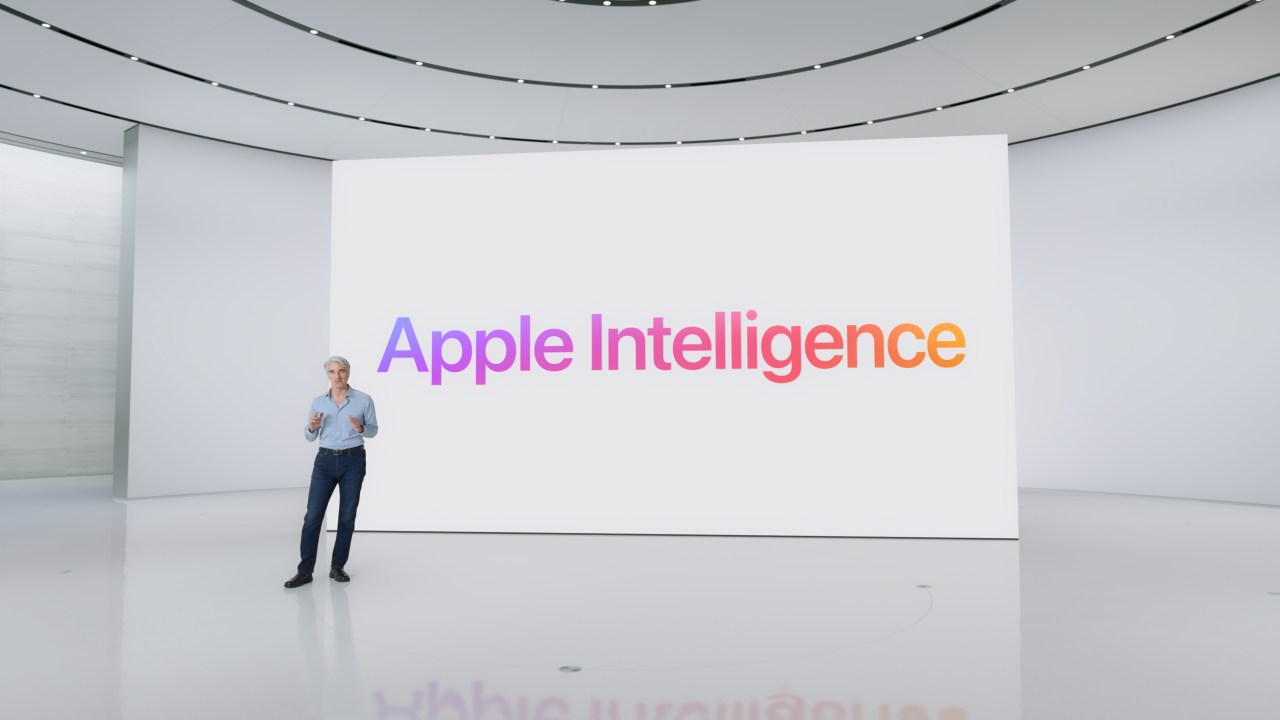
The tech world eagerly anticipates Apple’s unveiling of the iPhone 16 during its upcoming “It’s Glowtime” event. Excitement is palpable as analysts speculate that the inclusion of Apple Intelligence could spark another “supercycle,” reminiscent of the boost seen with 5G technology. However, recent reports indicate that if Apple Intelligence experiences delays in its rollout, it may dampen this anticipated product wave. Let’s dive deeper into the prospects and possible hurdles surrounding this innovative feature and what it means for Apple and its users.
Understanding Apple Intelligence
At the heart of Apple’s strategy is the emphasis on user experience, which has always been central to its identity. During the Worldwide Developers Conference (WWDC) held in June, Apple showcased its vision, steering clear of the sprawling models used by competitors such as OpenAI and Google. Instead, Apple aims to refine existing experiences through the deployment of generative AI, aiming for smaller, more efficient models. This approach promises enhancements in functionality without overwhelming users.
Barriers to the ‘Supercycle’
Despite Apple’s impressive presentations, the timeline of Apple Intelligence’s rollout raises eyebrows. Current projections suggest that many of the anticipated features may not become available until 2025. This delayed access could mean that users wait longer for the innovations promised at WWDC, potentially stalling the upgrade cycle Apple is hoping for.
- Regional Limitations: Legislative and regulatory hurdles across major markets, especially the EU and China, pose significant challenges for Apple’s rollout strategy. These regions are crucial for Apple’s financial health, and delays here could send ripples across Apple’s profitability.
- Compatibility Issues: While the iPhone 15 Pro and Pro Max have been approved to run Apple Intelligence, there has been little news regarding compatibility with the broader iPhone 16 lineup. As expectations build for uniformity across the range, the actual deployment could still be uneven.
The Impact of Timing
Timing holds great importance in the tech marketplace. With every new iteration of the iPhone, many users are encouraged to upgrade, and the addition of advanced features has often been a major driving force. The potential for a new supercycle hinges on convincing those reluctant upgrade holdouts to make the leap. Rushing Apple Intelligence into the market could backfire, potentially jeopardizing user experience or creating additional issues that could deter consumers from upgrading.
Looking Ahead: A Delicate Balance
While Apple may be an industry leader, it finds itself in a race to catch up in the generative AI sector. The impressive demos from WWDC undoubtedly created buzz, but Apple must navigate the delicate balance of a staggered rollout against the urgency of meeting consumer expectations. If managed correctly, Apple Intelligence could propel the iPhone 16 into new heights of success, creating a robust ecosystem that engages users.
Conclusion: A Fork in the Road
As we anticipate the iPhone 16 launch, the implications of Apple Intelligence’s rollout cannot be understated. With strategic planning and careful implementation, Apple may still secure its supercycle. Yet should delays persist, we could see a significant impact on sales and user satisfaction, potentially altering the trajectory of the company in the near term.
At fxis.ai, we believe that such advancements are crucial for the future of AI, as they enable more comprehensive and effective solutions. Our team is continually exploring new methodologies to push the envelope in artificial intelligence, ensuring that our clients benefit from the latest technological innovations. For more insights, updates, or to collaborate on AI development projects, stay connected with fxis.ai.