
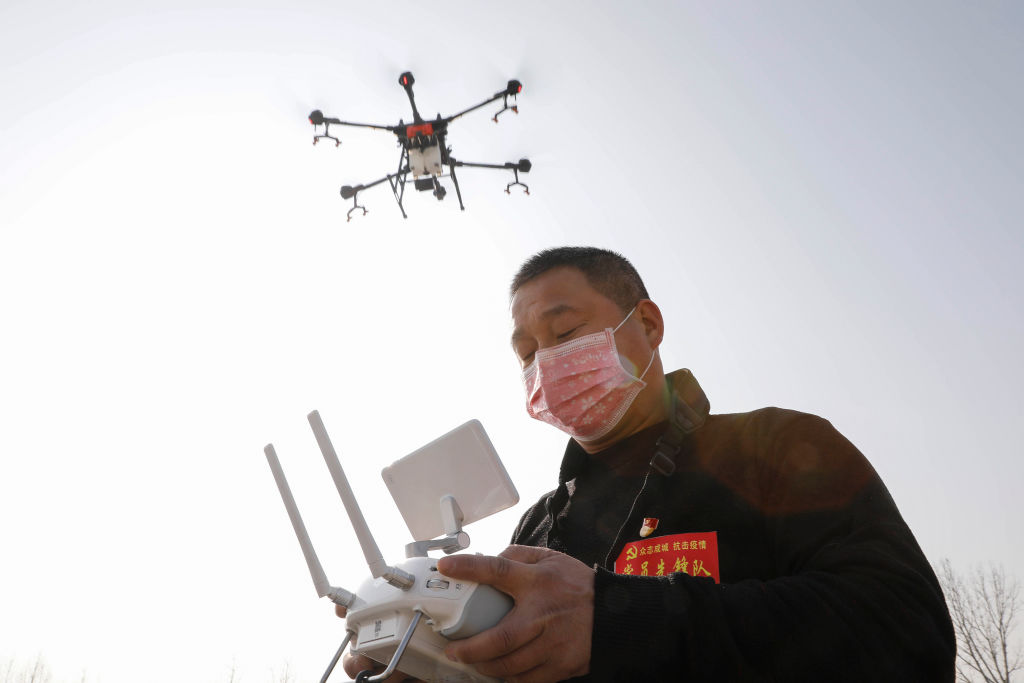
The COVID-19 pandemic has been an unprecedented catalyst of change across the globe, and its repercussions are palpable in various sectors, particularly in venture capital (VC). While the pace of VC investment in the United States has experienced a slowdown, China is staging a noticeable comeback in deal-making following a brief pause. According to PitchBook, the first quarter of 2020 showed a resurgence in VC activity in China, marking significant implications for investors in the U.S. landscape. This blog explores how these developments in China may shape the future for American venture capitalists and highlights specific trends that are trending upwards in light of the pandemic’s aftermath.
Observing Value Creation Amid Challenges
In essence, the coronavirus crisis has proven to be a double-edged sword. It has brought about unforeseen challenges, but at the same time, it has paved the way for innovation and opportunity. Much like SARS in 2003, which birthed the iconic e-commerce platform Taobao, the pandemic has left a trail of inspiring dynamics—dark horses quietly waiting in the wings for their moment to shine.
A New Era for E-commerce
2020 marked a turning point for e-commerce in China. As traditional retail took a hit, brands like Adidas tapped into live-streaming platforms to engage with consumers at home. Events like Adidas’ limited-edition sneaker launch saw over 2 million viewers and raked in millions in sales. This trend is relevant not merely for consumer goods but also for rural vendors. Local farmers leveraging live streaming attributes to market their produce have significantly reduced food waste while connecting to consumers effectively.
- Live E-commerce Platforms: Amazon Live might not yet be a giant, but models like Feiyu—a live e-commerce platform—have raised significant funds to expand their reach.
- Vertical Innovations: Small businesses are turning to platforms such as Zhongzhuang Supei for customized furniture, while Yesmro provides automation supplies, demonstrating the global potential of these emerging business models.
Education’s Digital Transformation
The surge in interest in online education has been overwhelming. Companies like Yuanfudao raised $1 billion, marking a historic moment in the Chinese ed-tech sector. The pandemic compelled parents and students to adapt quickly to a remote learning environment. This shift has opened avenues for digital educators to flourish in a previously underutilized market.
- K-12 Growth: With the shift to online learning, we see brands like VIPKid and other online schools rapidly gaining traction.
- Adapting Learning Tools: Tools like DingTalk that help facilitate remote education are being embraced eagerly by students and educators alike.
Healthcare’s Rapid Digitization
The public health crisis has ushered in a new era for digital healthcare solutions. Telemedicine services, exemplified by companies like Ping An Good Doctor, witnessed nearly a 900% surge in user engagement as millions sought alternative healthcare solutions. The urgency for digital healthcare platforms triggered extensive investments as traditional healthcare structures faced unprecedented pressure.
- Opportunities for AI: AI technology can significantly enhance diagnostic efficiencies. Hence, there’s a substantial opportunity in utilizing AI for better patient interactions and health service delivery.
- Regulatory Considerations: Developing a framework for online consultations and prescriptions remains crucial for the insurance space and overall market acceptance.
Enterprise Software Gains Momentum
China’s enterprise landscape has historically lagged in SaaS adoption. However, there’s a wave of transformation as enterprises grapple with high employee costs and shift mindsets, more organizations are gearing up to embrace cloud-based solutions. This pandemic has catalyzed a renewed interest in enterprise software, particularly in automation and back-office efficiencies, which are poised to thrive in the post-pandemic world.
- Emerging Startups: Applied AI startups have raised significant funding amounts. Platforms focused on AI for marketing and automation are showing promise.
- Long-term Disruption: As the demand for enterprise solutions grows, it’s vital for VCs to keep an eye on innovation in this sector.
Final Thoughts
As we analyze the ongoing shifts in the Chinese VC landscape, a crucial question arises for American investors: how will these trends manifest on this side of the Pacific? History shows us that economic downturns often give rise to promising innovations. While the U.S. remains poised to capitalize on emerging trends, there lies an eagerness to explore how local adaptations from China might yield fresh opportunities in various sectors.
At fxis.ai, we believe that such advancements are crucial for the future of AI, as they enable more comprehensive and effective solutions. Our team is continually exploring new methodologies to push the envelope in artificial intelligence, ensuring that our clients benefit from the latest technological innovations.
For more insights, updates, or to collaborate on AI development projects, stay connected with fxis.ai.