
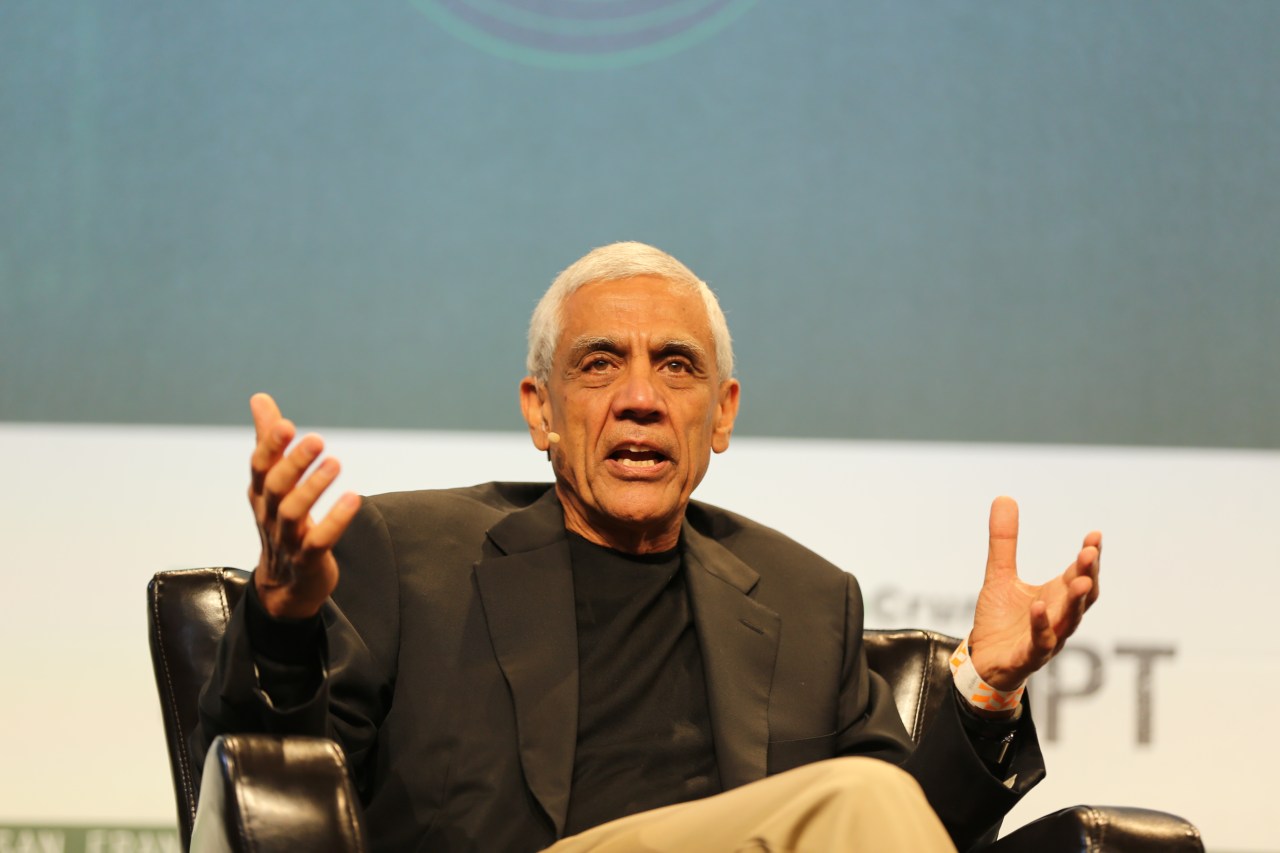
As technology continues to evolve at an astonishing rate, the healthcare sector is witnessing a monumental shift. The intersection of artificial intelligence (AI) and medicine has become a focal point for innovation, leading many experts to weigh in on the future of medical professionals. One of the most outspoken advocates for AI’s transformative power is Vinod Khosla, the renowned investor and co-founder of Sun Microsystems. Khosla’s prediction that radiologists practicing within the next decade may be “killing patients every day” is bold, provocative, and certainly worthy of exploration.
Khosla’s Perspective on Radiology and AI
Khosla’s assertion that “radiologists are toast” is grounded in the belief that AI-driven diagnostic technologies will surpass human capabilities in accuracy and efficiency. The nuances of his argument reveal a profound concern regarding the safety and effectiveness of human professionals in the face of advanced machine-learning solutions. But what exactly does Khosla mean by this? Here are some key points:
- AI Precision: Khosla emphasizes that machine-driven solutions will evolve to interpret medical images with far greater precision than their human counterparts. This could lead to quicker, more accurate diagnoses and ultimately better patient outcomes.
- Timeframe for Change: While Khosla initially suggested that certain doctors might become obsolete within five years, he has allowed the timeline to extend to a decade, acknowledging the time needed for the medical community and the public to accept these advanced technologies.
- Implications for Other Specialties: Beyond radiology, Khosla believes that oncologists may face a similar fate. However, he considers that domain-specific AI solutions will continue to evolve over a longer time horizon—approximately 15 years—before they surpass human oncologists.
The Argument for Continued Human Involvement
Despite his strong statements regarding the fate of radiologists, Khosla does not dismiss the role of human practitioners entirely. He suggests that while some specialized roles may become automated, general practitioners will retain their importance, as they can leverage AI to enhance patient care in areas still reliant on human judgment and interaction. This perspective highlights the complementary relationship between AI technologies and human empathy in healthcare.
- Human Touch: The reliability of AI in medical diagnostics does not negate the necessity for empathetic patient interactions that human doctors provide.
- Collaboration Over Replacement: Khosla indicates that rather than completely replacing medical professionals, AI tools will augment their capabilities, allowing doctors to focus on complex cases while AI handles routine assessments.
Potential Consequences for Healthcare Professionals
The tension between AI and healthcare professionals raises several important questions. As AI technologies become increasingly sophisticated, will medical education evolve to prepare future doctors for a world where they are no longer the primary decision-makers in diagnostics? How will the healthcare industry adapt to changing roles among professionals?
To address these concerns, Khosla advocates for a proactive approach in adapting to technological advancements. He implores radiologists and other specialists to engage actively with AI, ensuring their continued relevance and effectiveness in patient care.
Conclusion: The Future of Radiology and AI
The rapid integration of AI into the medical field compels us to reconsider many established practices and roles within healthcare. Vinod Khosla’s bold predictions should act as a wake-up call for radiologists to reassess their place in an evolving landscape. While some aspects of radiology may inevitably change, forming a cooperative relationship with emerging technologies might be the key to enhancing patient care and safety.
At [fxis.ai](https://fxis.ai/edu), we believe that such advancements are crucial for the future of AI, as they enable more comprehensive and effective solutions. Our team is continually exploring new methodologies to push the envelope in artificial intelligence, ensuring that our clients benefit from the latest technological innovations.
For more insights, updates, or to collaborate on AI development projects, stay connected with [fxis.ai](https://fxis.ai/edu).