
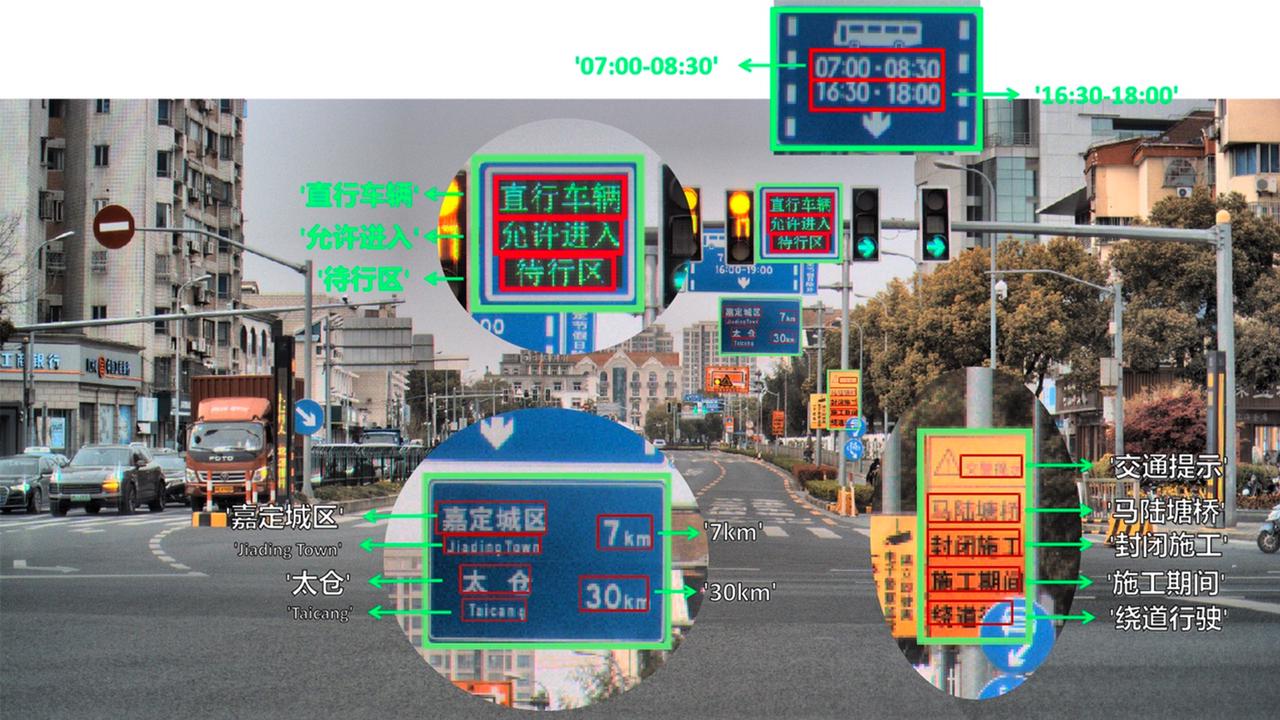
In the fast-evolving world of electric vehicles (EVs), XPeng is emerging as a formidable competitor to Tesla, especially in the realm of autonomous driving. Recently, the company announced a significant shift in its technological approach by removing high-definition (HD) maps from its XNGP assisted driving feature. This strategic decision not only positions XPeng closer to Tesla’s operational model but also highlights the wave of innovation sweeping through the autonomous vehicle landscape.
The Case Against HD Maps
For years, HD maps have been a cornerstone technique in the development of autonomous driving technologies. They provide detailed information about the road, including lane markings, traffic signals, and obstacles. However, the reliance on these pre-determined maps can be limiting, as they can often lag behind real-time road conditions and updates. Tesla famously eliminated HD maps in favor of a more sensor-based approach, relying on a combination of radars and cameras to allow its vehicles to navigate dynamically.
XPeng’s Bold Move
XPeng has taken a cue from Tesla by opting for a map-free strategy in its XNGP feature. This innovation will enable XPeng vehicles to operate in urban environments across 20 Chinese cities by the end of this year, with plans to expand to 50 cities. The absence of HD maps frees the vehicles from the constraints of established mapped areas and allows them to adapt—and learn—from the constantly changing interactions that characterize urban driving.
Staying Ahead in the Race
This transition comes on the heels of challenges within XPeng’s leadership, including the departure of its former head of autonomous driving to Nvidia. Yet, this change seems to spur a renewed commitment to innovation as the company takes on the technical hurdles of delivering effective urban driving capabilities without the use of HD maps. The advent of XNGP signifies a promising era for XPeng and positions it as a serious challenger within the autonomous driving sector.
Competitive Landscape
- Deeproute: Another key player in this ongoing technological arms race is Deeproute, which has shifted from focusing on robotaxi development to providing map-free assisted driving solutions for mass-market vehicles.
- Industry Trends: Many autonomous driving teams in China are also aiming to eliminate the reliance on costly HD maps. As these companies race toward more viable and practical solutions, the landscape of the autonomous vehicle industry is continuously transforming.
The Future of Autonomous Driving
The implications of these advancements extend beyond just XPeng and Tesla. By pushing the boundaries of technology, companies are paving the way towards a future where autonomous vehicles can not only navigate more effectively but also become more adaptable to diverse driving conditions. This shift is emblematic of a broader trend where agility and responsiveness in technology may supersede the need for detailed pre-computed information.
Conclusion
As XPeng embarks on this ambitious journey toward a map-free autonomous driving future, it underscores the critical need for innovation in the tech landscape. The ability to drive without relying on HD maps may catalyze a revolution in autonomous driving, making vehicles smarter and more capable of navigating the complexities of real-world environments. For more insights, updates, or to collaborate on AI development projects, stay connected with fxis.ai. At fxis.ai, we believe that such advancements are crucial for the future of AI, as they enable more comprehensive and effective solutions. Our team is continually exploring new methodologies to push the envelope in artificial intelligence, ensuring that our clients benefit from the latest technological innovations.