
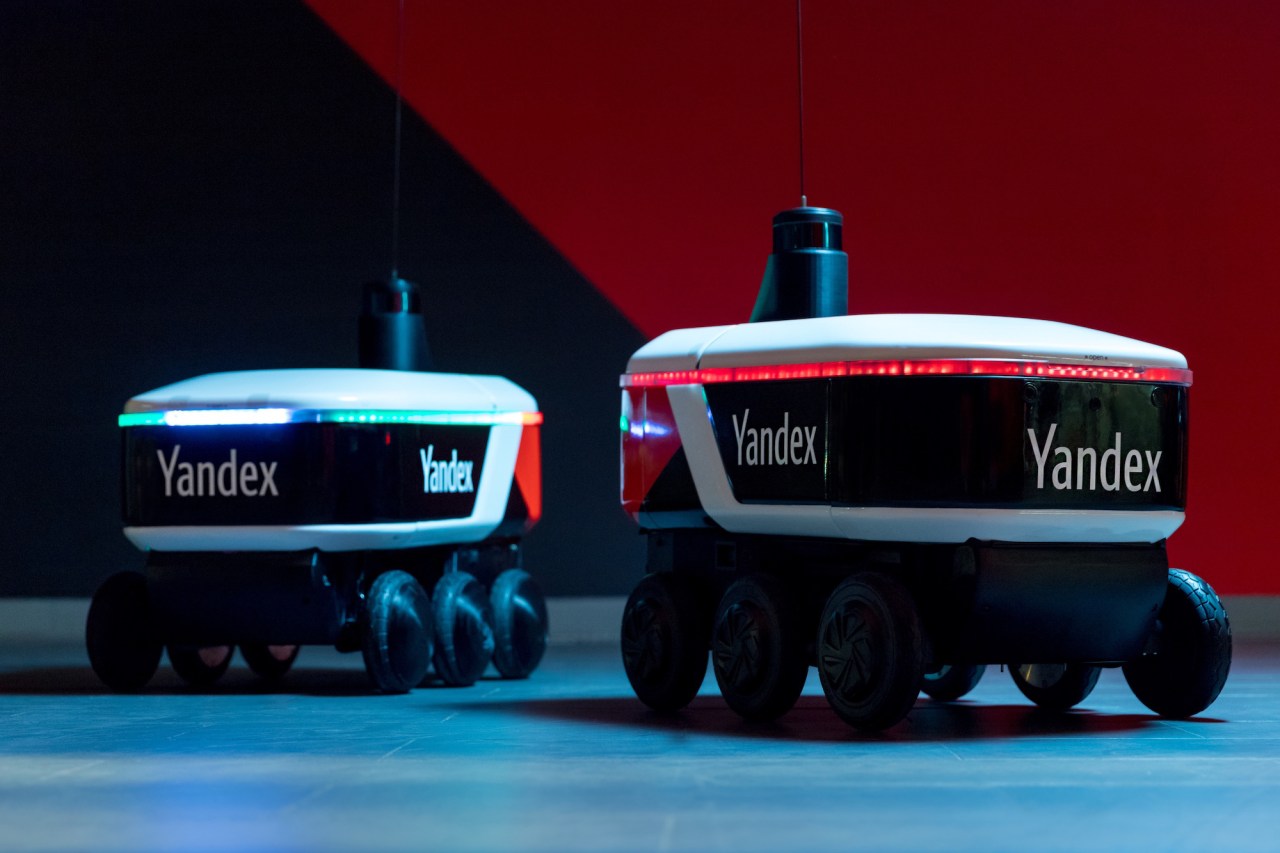
As the world embraces the efficiency of technology, Yandex, the Russian powerhouse in search and services, has joined the league of pioneering companies venturing into the realm of autonomous delivery. With its innovative approach, the company has unveiled a self-driving sidewalk cargo delivery robot named “Rover,” a delightful addition to the growing arsenal of small, wheeled robots designed for efficient transportation of goods and food. This move not only showcases Yandex’s technical prowess but also highlights the merging needs of urban logistics and technology.
Rover: The Face of Autonomous Delivery
Imagine a small, six-wheeled robot cruising along the sidewalk seamlessly delivering your lunch or groceries—this is exactly what Yandex’s Rover is designed to do. Its sleek design is reminiscent of the popular cooler-on-wheels style introduced by Starship Robotics but is not bound by the same limitations.
- Advanced Technology: Equipped with a suite of sensors including a prominent lidar array, Rover navigates sidewalks with ease, avoiding pedestrians, pets, and various obstacles that hinder its path.
- Adaptive Navigation: Rover’s software allows it to operate efficiently in diverse environments, demonstrating robust performance across a range of weather conditions, both day and night.
A Unique Testing Ground: Yandex Headquarters
The initial pilot phase takes place on Yandex’s extensive corporate campus in Moscow, which is bustling with over 7,000 employees, a myriad of office buildings, restaurants, and parking spaces. This unique environment offers Rover an ideal testing landscape for its capabilities.
Through the Yandex.Eats and Yandex.Lavka platforms, the robot is already facilitating food deliveries and grocery distribution, enhancing service delivery in a fast-paced environment where convenience is paramount. What sets Yandex apart is its ability to leverage its in-house services, defining new pathways for comprehensive delivery solutions.
Expanding Horizons: Beyond Food Delivery
Yandex’s ambitions for Rover extend beyond mere food and grocery delivery. The company envisions employing Rover for:
- Small-Goods Transportation: With its e-commerce platform, Beru, Yandex has the infrastructure to support a wide array of logistic needs, making Rover a versatile tool for parcel deliveries.
- Internal Logistics: Rover could also play a pivotal role within Yandex’s campuses, transporting essential items within its warehouses, data centers, and offices, optimizing daily operations.
The Yandex Advantage: In-House Synergies
What truly distinguishes Yandex in the delivery robot landscape is its extensive portfolio of in-house businesses. Unlike many of its competitors, such as Postmates and Amazon that primarily focus on a single business model, Yandex’s multifaceted approach allows it to draw unique synergies between various services. This comprehensive infrastructure enables the company not just to pilot technology but to implement it effectively across multiple platforms, ensuring a seamless customer experience.
Conclusion: The Future of Autonomous Delivery
As Yandex forges ahead with the development of Rover, it sets a significant precedent in the realm of autonomous delivery technology. The interaction of advanced robotics with practical everyday tasks, such as delivering food and groceries, heralds a new wave of innovation in urban transportation. For consumers, this convergence of technology promises a future where convenience is redefined.
For more insights, updates, or to collaborate on AI development projects, stay connected with fxis.ai.
At fxis.ai, we believe that such advancements are crucial for the future of AI, as they enable more comprehensive and effective solutions. Our team is continually exploring new methodologies to push the envelope in artificial intelligence, ensuring that our clients benefit from the latest technological innovations.