
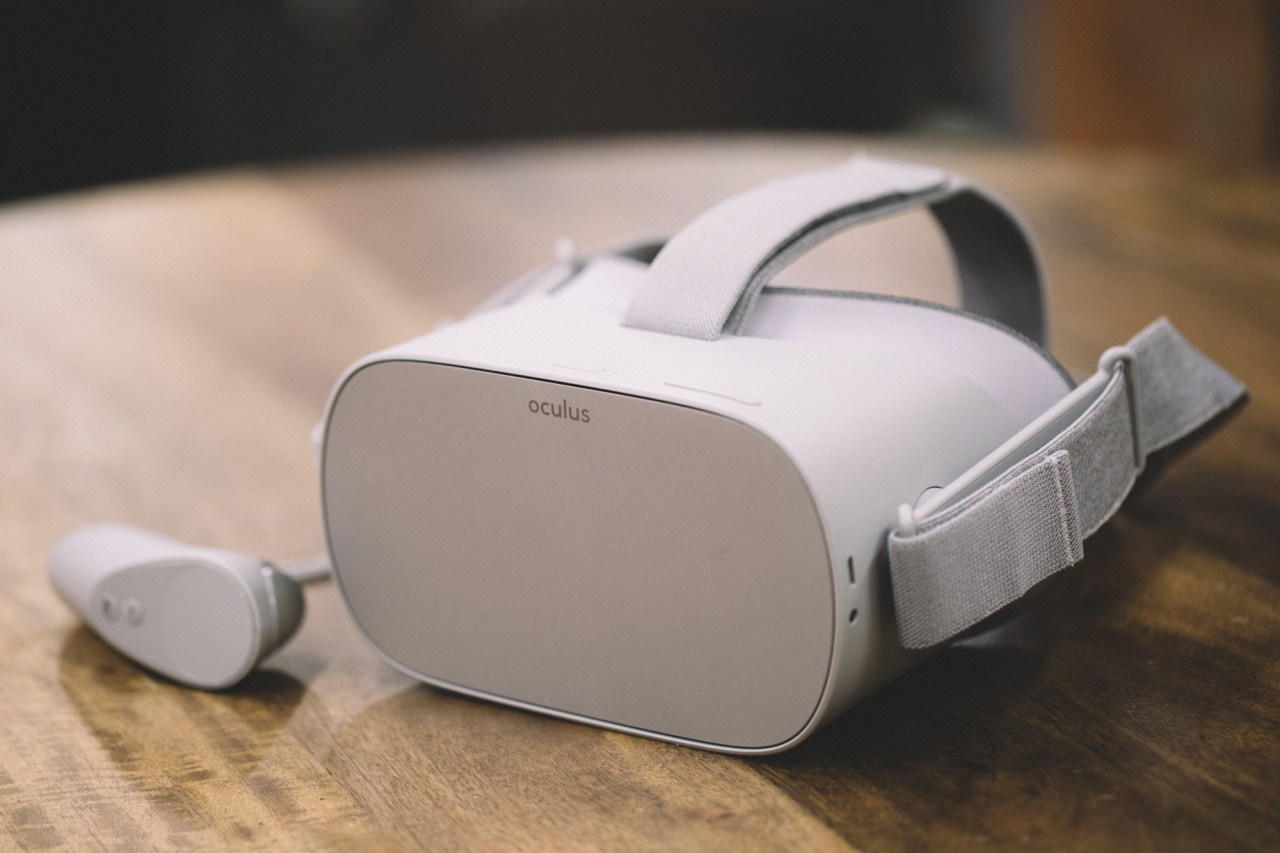
In the rapidly evolving landscape of virtual reality, the launch of the YouTube VR app on the Oculus Go in November 2018 marked a significant turning point for both platforms. Priced affordably at $199, the Oculus Go established itself as a user-friendly entry point into the mesmerizing world of VR. With the introduction of YouTube VR, the stage was set for an expansive virtual entertainment experience that went beyond gaming, inviting users to immerse themselves in a plethora of visual content.
The VR Content Library: A Feast for the Eyes
When speaking of digital content, YouTube stands as an unrivaled giant, boasting the largest repository of VR experiences. The platform integrates both conventional and immersive video formats, encapsulating a treasure trove of compelling content ranging from everyday vlogs to breathtaking 360-degree travel experiences. The availability of native formats like VR180 enhances user engagement and expands the horizons of what viewers can explore in virtual reality.
Shifting Focus: From Gaming to Media Consumption
Despite Oculus’s strong branding as a gaming powerhouse, user data revealed that the Oculus Go was primarily being used as a media consumption device rather than for gaming. Reports indicated that a staggering 70% of user interaction was spent watching videos, while merely 30% was devoted to gaming.
- This shift in usage patterns has led to fascinating adaptations such as:
- Utilizing the device for binge-watching Netflix and Hulu content.
- The development of Oculus TV, a social viewing experience reminiscent of traditional television.
These revelations shed light on a pivotal transition in user preference, challenging Oculus to rethink its future trajectory in the VR market.
YouTube: The Perfect Partner in Expansion
The collaboration between YouTube and Oculus serves as a strategic advantage for both industry giants. With such an extensive library of immersive content readily available, YouTube’s dedicated app on the Oculus Go provides a seamless viewing experience. Imagine diving into a fascinating travel documentary or soaring through tranquil landscapes, all from the comfort of your own VR headset.
Moreover, as Google’s ambitions for homegrown VR technologies appeared to take a backseat, it became evident that supporting external platforms like Oculus was beneficial. This not only brought a wider audience to YouTube’s vast collection of VR media but also enriched the Oculus ecosystem by enhancing its profile as a go-to platform for multimedia experiences.
The Future of VR Media Consumption
As Oculus continues to evolve its mobile platform, the synergy created by integrating YouTube into the VR experience presents exciting possibilities. Users are becoming accustomed to the thrill of immersing themselves in giant screens with seamless navigation. This trend is likely to push other VR platforms to follow suit in enhancing their media features.
Conclusion
The launch of the YouTube VR app on the Oculus Go has undoubtedly transformed the way users perceive and engage with virtual reality. No longer just a device for gaming, the Oculus Go has blossomed into an accessible and attractive option for entertainment enthusiasts. As the lines between gaming and media consumption blur, it is clear that the future of VR holds infinite potential.
At fxis.ai, we believe that such advancements are crucial for the future of AI, as they enable more comprehensive and effective solutions. Our team is continually exploring new methodologies to push the envelope in artificial intelligence, ensuring that our clients benefit from the latest technological innovations.
For more insights, updates, or to collaborate on AI development projects, stay connected with fxis.ai.