
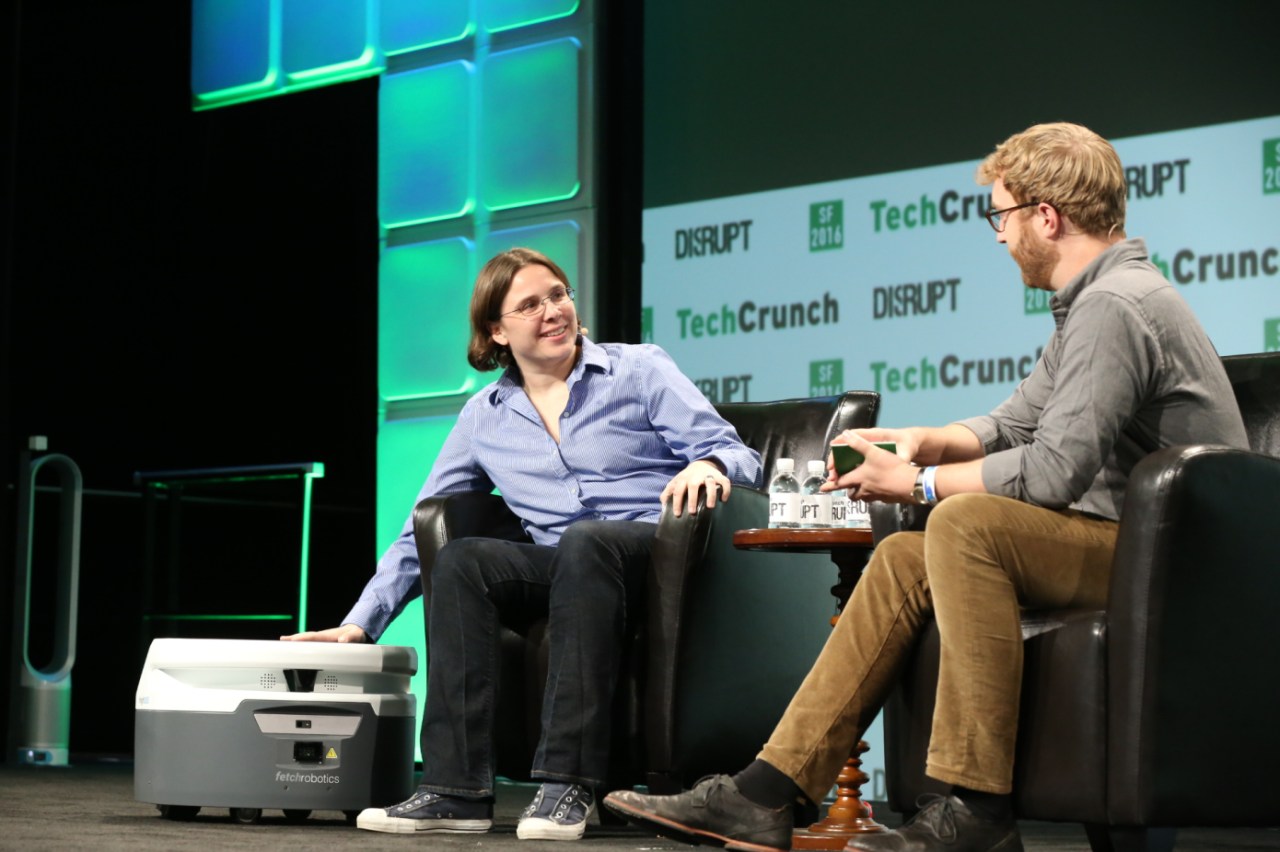
In a calculated move to bolster its position in the rapidly evolving realm of warehouse automation, Zebra Technologies has announced its acquisition of the Bay Area-based robotics company, Fetch Robotics. With an impressive deal valued at $290 million, Zebra is set to acquire 95% of Fetch, adding to the 5% it already possessed. But what does this acquisition truly signify for the future of warehouse automation and the supply chain landscape? Let’s unpack the implications of this pivotal deal.
The Rising Need for Automation in Warehousing
The COVID-19 pandemic has accelerated the demand for automation in various sectors, with warehouse and fulfillment centers seeing a surge in interest. As retailers scramble to address labor shortages and streamline operations, technology such as robotics has emerged as a vital solution. Zebra’s acquisition of Fetch comes at a time when businesses are doubling down on automation to remain competitive, particularly against e-commerce giants like Amazon.
The intense investment landscape has seen many robotics firms gain traction, leading to innovative solutions to meet market demands. Companies such as Berkshire Grey have also become notable players, demonstrating the industry’s rapid evolution. Zebra seems poised not just to maintain pace, but to emerge as a formidable force, thanks to its proactive strategy.
Why Fetch Robotics?
Fetch Robotics is renowned for its diverse and modular solutions in industrial automation, making it a perfect addition to Zebra’s existing portfolio. Zebra’s CEO, Anders Gustafsson, emphasizes the significance of this acquisition, stating that it will “accelerate our Enterprise Asset Intelligence vision.” By integrating Fetch’s technology, Zebra intends to enhance its offerings in intelligent industrial automation, paving the way for data-driven operational efficiency.
This is not just about expanding capabilities; it symbolizes Zebra’s ambition to establish a unified approach in the warehouse robotics sector. With the integration of Fetch’s autonomous mobile robots (AMRs) and cloud-based platform, Zebra aims to empower businesses to optimize their fulfillment, distribution, and manufacturing processes in real-time.
The Competitive Landscape
The competitive landscape for warehouse robotics is becoming increasingly crowded. As companies like Locus Robotics continue to innovate and secure significant funding—like their recent $40 million Series D raise—it becomes evident that the race to dominate this sector is on. Interestingly, Fetch Robotics CEO Melonee Wise highlighted the intention behind the merger: to provide end-to-end automation solutions that enable businesses to adapt swiftly to evolving consumer expectations while managing shrinking labor pools.
While there’s potential for consolidation, it’s imperative to consider the perspectives of all involved. Locus CEO Rick Faulk previously emphasized the importance of independent growth strategies, noting that collaboration among various players other than Amazon can drive greater value across the ecosystem.
What Lies Ahead?
As regulatory approval processes unfold—expected to complete by Q3—the opportunities that this acquisition unlocks are vast. Both Zebra and Fetch will converge their respective technologies to tackle pressing industry issues, including minimizing delivery times and maximizing inventory visibility. This collaboration could provide crucial insights and solutions in a landscape where consumers are increasingly demanding speed and flexibility in deliveries.
These advancements are not just beneficial for individual businesses but are ultimately transformative for the supply chain as a whole. By adopting flexible automation, companies will not only save time but can also pivot and adapt as market demands shift.
Conclusion
Zebra Technologies’ acquisition of Fetch Robotics represents more than just a strategic business move; it signals a formidable shift in the landscape of warehouse automation. As companies strive to cope with changing labor dynamics and escalating demands for efficiency, this merger brings robust capabilities to the forefront. For stakeholders in this sector, this development could prove to be a game-changer—one that leads to a more efficient, adaptable, and technology-driven future in logistics.
At **[fxis.ai](https://fxis.ai/edu)**, we believe that such advancements are crucial for the future of AI, as they enable more comprehensive and effective solutions. Our team is continually exploring new methodologies to push the envelope in artificial intelligence, ensuring that our clients benefit from the latest technological innovations.
For more insights, updates, or to collaborate on AI development projects, stay connected with **[fxis.ai](https://fxis.ai/edu)**.